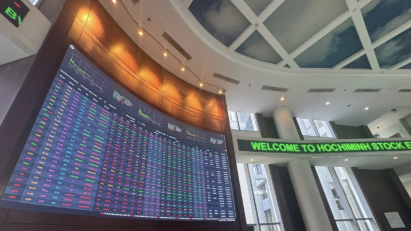
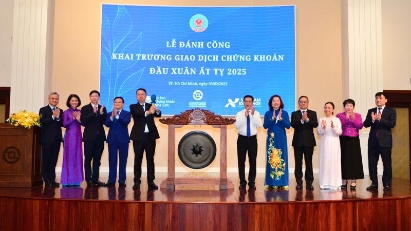
The upgrade of Vietnam's estock market from a frontier market to a secondary emerging market according to FTSE Russell's classification, will officially take effect on September 21, 2026.
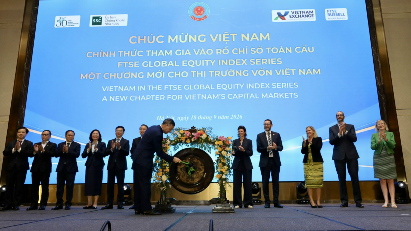
Minister of Finance Ngo Van Tuan speaks at the conference “Vietnam officially joins the global index basket – FTSE Russell Global Equity Index Series” (FTSE GEIS) that marks the upgrade of Vietnam’s stock market from a frontier market to a secondary emerging market according to FTSE Russell's classification, which officially takes effect on September 21, 2026.
From September 21, Vietnam’s stock market will officially be classified as a “Secondary Emerging Market” under FTSE Russell’s classification framework.
The Vietnam Stock Exchange (VNX) has been tasked with researching and gradually applying new technologies to stock market operations. This implementation is scheduled to take place from 2026 to 2030 and will continue to be maintained thereafter.
FTSE Russell announced on October 8 that Vietnam will be upgraded from frontier market to secondary emerging market status in its September 2025 Country Classification Review.