


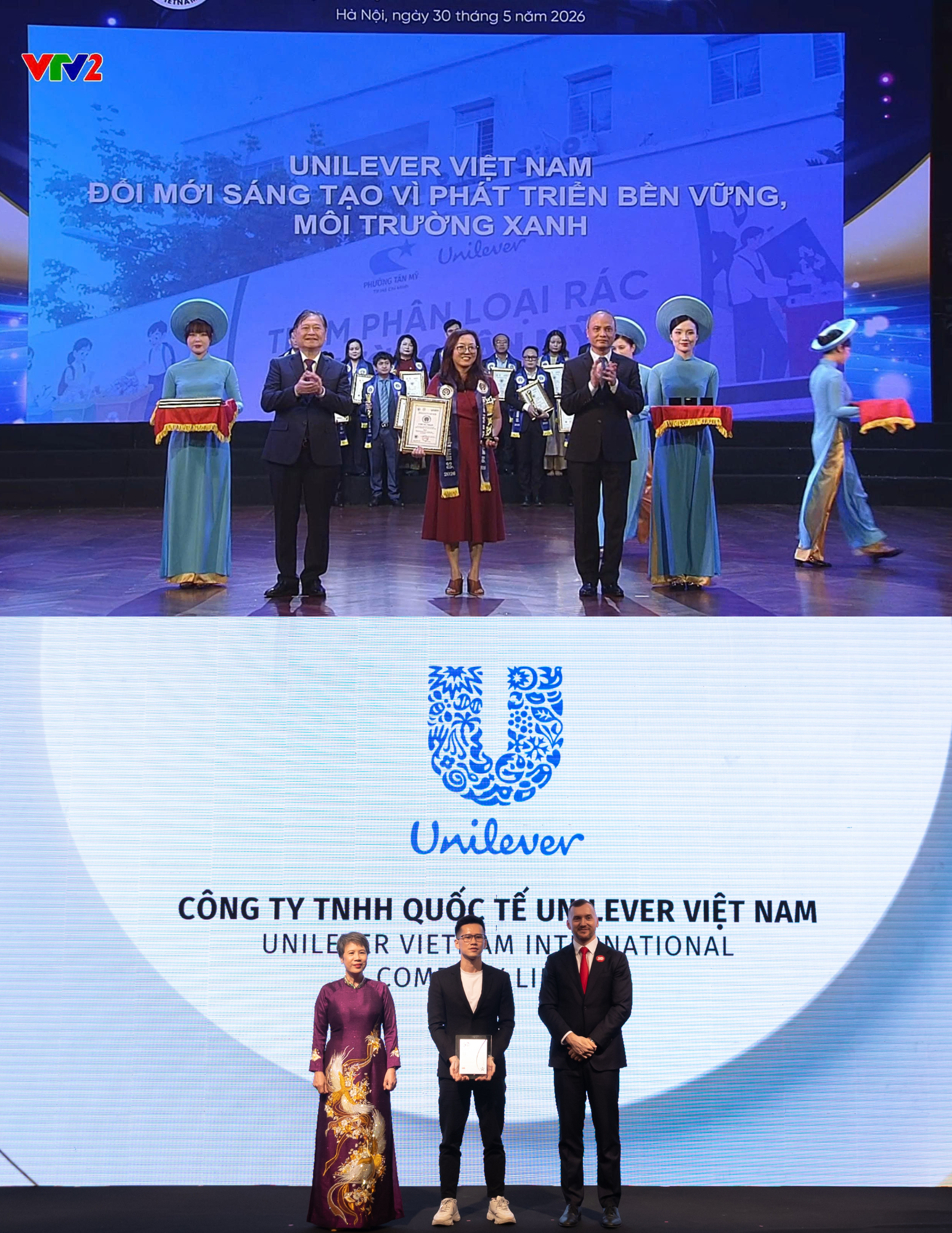
On June 11, Unilever Vietnam was named among the Top 50 Corporate Sustainability Awards (CSA) 2026 in the category of "Responsible Consumption and Products," organized by Nhip Cau Dau Tu Magazine. The recognition follows its Vietnam I4 Impact Awards 2026 win on May 30 for a technology-enabled Material Recovery Facility (MRF) model in Tan My Ward, Ho Chi Minh City.
The awards highlight Unilever Vietnam's approach to sustainability, which combines green transformation and digital transformation to develop practical solutions across the consumer goods value chain. From product innovation and packaging redesign to technology-enabled collection, sorting, and recycling systems, the company is seeking to integrate environmental responsibility into everyday consumer choices.
The recognition comes as Vietnam accelerates efforts to advance green growth, develop a circular economy, and achieve its net-zero emissions target by 2050. For consumer goods manufacturers, these ambitions increasingly require changes throughout the product lifecycle, from formulation and packaging to production, consumption, recovery, and recycling.
Embedding sustainability into everyday products
At Unilever Vietnam, sustainability initiatives extend across the entire value chain, from research and development and material selection to packaging design, manufacturing, distribution, consumer use, and post-consumer recovery.
One example is Sunlight Natural dishwashing liquid, which incorporates Rhamno technology and uses 100 per cent plant-based cleaning ingredients. The product contains no added colorants or parabens and features a formula that is up to 99.7 per cent biodegradable, while maintaining cleaning performance.
The product's packaging also incorporates circular economy principles. Unilever said post-consumer recycled (PCR) plastic accounts for 100 per cent of the material used in the 750g bottle and 80 per cent in the 3,500g bottle, helping reduce approximately 1,400 tons of virgin plastic annually.
However, the company notes that sustainability efforts extend beyond product design and use. Ensuring materials are recovered and recycled after consumption remains a critical challenge.
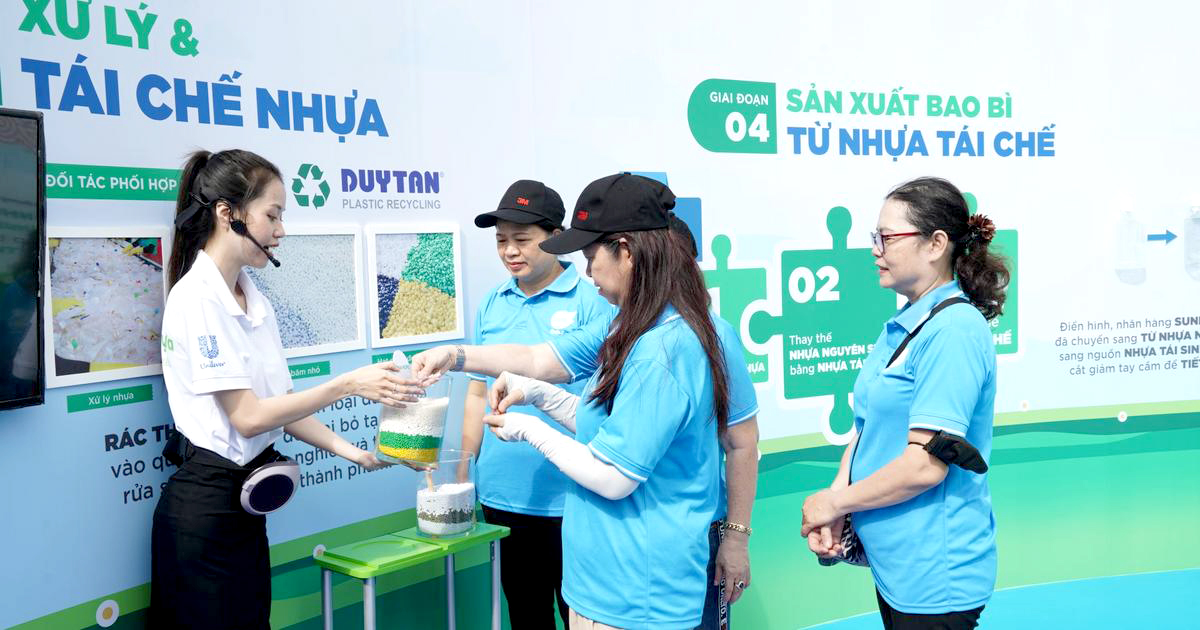
To address this, Unilever Vietnam launched its Material Recovery Facility in Ho Chi Minh City in April 2026. The model digitizes the recovery process through the Grac mobile application, enabling waste sorting, collection, transfer, and recycling activities to be recorded and tracked in real time. The system is designed to improve recovery rates, reduce material losses, and facilitate the return of recyclable materials to the production cycle.
Building a broader sustainability ecosystem
Unilever Vietnam says long-term sustainability outcomes require collaboration across the value chain, involving businesses, local authorities, technology providers, collection and recycling operators, and consumers.
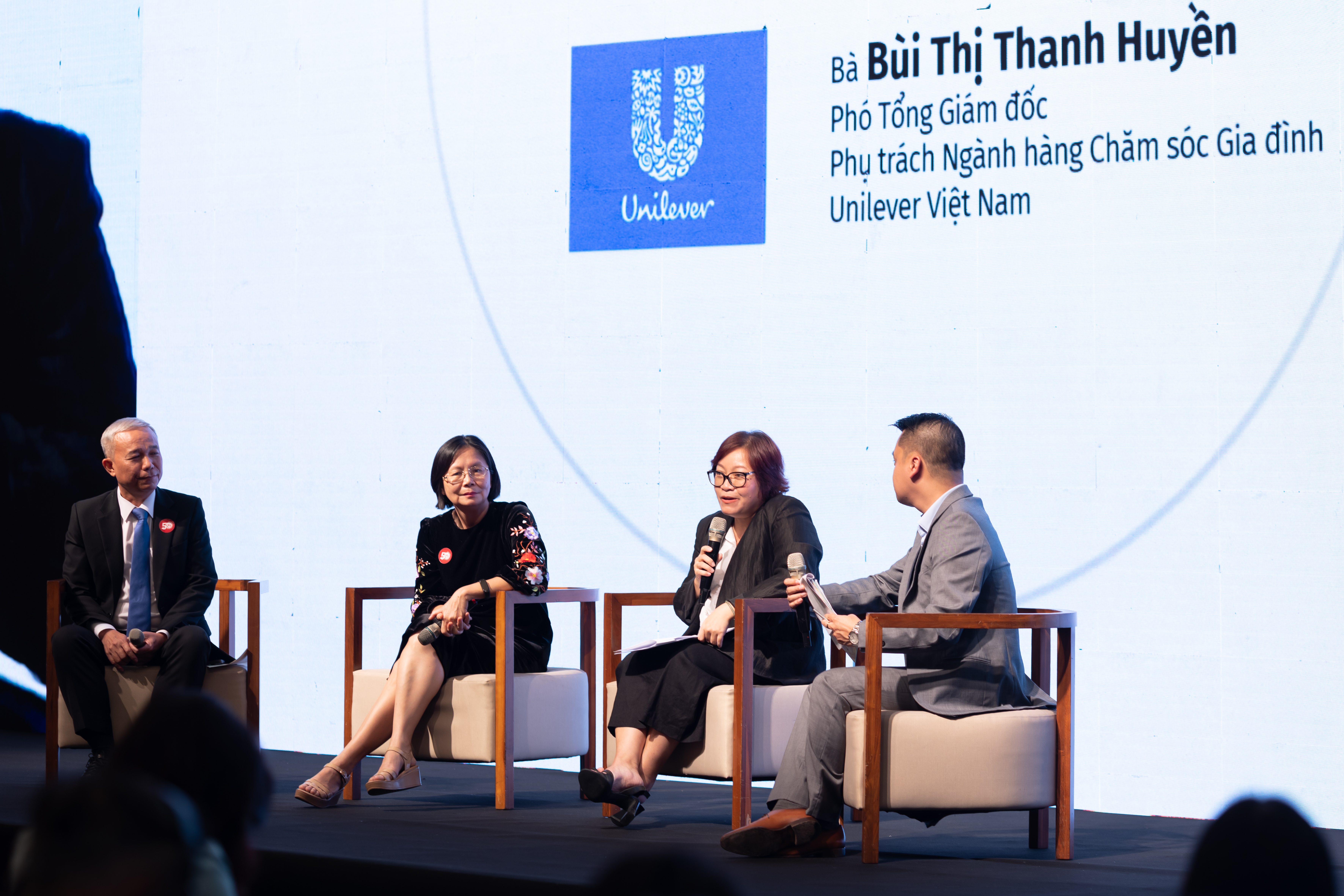
Speaking at the panel discussion "Global Supply Chain Resilience & Execution Capability" during the Strategic Summit: The 3P Pivot, Ms. Bui Thi Thanh Huyen, Home Care Vietnam Commercial Lead at Unilever Vietnam, said sustainability goals must be embedded in day-to-day business operations and partner networks.
“Unilever approaches the circular economy by continuously improving the entire product journey from formulation and packaging to production and operations to reduce environmental impact while creating meaningful value for consumers, households, and communities. But sustainability cannot be a one-way requirement imposed by businesses alone. What matters is simultaneously raising standards and strengthening execution capabilities across the value chain, so that every stakeholder understands the standards, works with shared data, and shares responsibility. Only then can sustainability become a collective capability of the entire ecosystem”, Ms Huyen said.
The company reaffirmed its commitment to working alongside the Vietnamese government and industry partners to support green growth and circular economy development.
For Unilever, Vietnam remains both a key market and a long-term investment destination, reflecting the company's broader commitment to sustainable development in the country.
As more businesses adopt similar approaches, industry observers say corporate participation will play an increasingly important role in helping Vietnam translate its long-term sustainability ambitions into measurable results.



 Google translate