


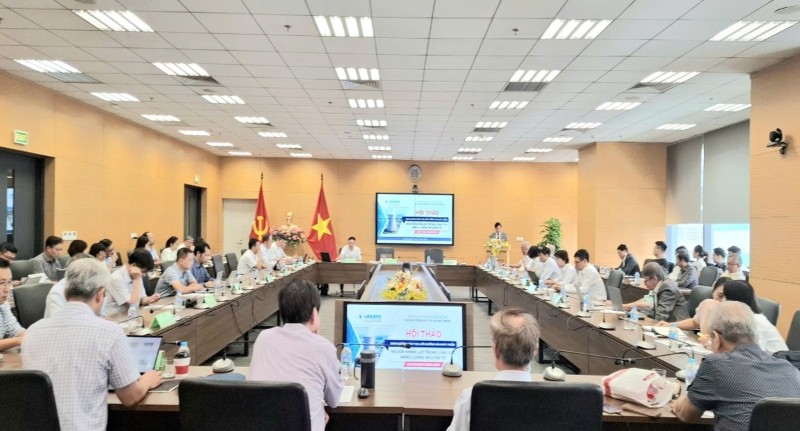
To achieve its atomic energy and nuclear power development goals by 2035, Vietnam will require tens of thousands of personnel directly and indirectly involved in high-tech, science-intensive sectors.
Speaking at a recent workshop on "Orientation for Training, Capacity Building, and Human Resource Development in Atomic Energy for the 2026-2035 Period," Director General of the Vietnam Agency for Radiation and Nuclear Safety (VARANS), Dr. Nguyen Hoang Linh, emphasized that workforce development has become increasingly urgent. This follows several resolutions and policies issued by the Party, the National Assembly, and the Government aimed at reviving and implementing the Ninh Thuan Nuclear Power Project.
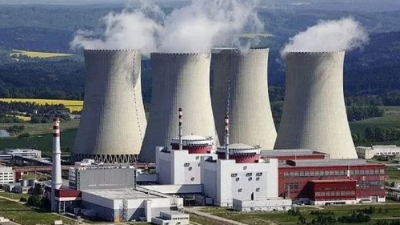
Under the "Strategy for Development and Application of Atomic Energy for Peaceful Purposes to 2035, with a Vision to 2050," nuclear power is expected to account for approximately 6-8% of the national electricity output. The plan includes four large-scale units and 10-15 Small Modular Reactors (SMRs).
According to Dr. Linh, the projected Ninh Thuan 1 and Ninh Thuan 2 nuclear power plants alone will require about 3,900 direct operational personnel by 2030, including 670 experts trained at universities abroad.
Human resource demand is not limited to plant operations but spans various fields, including state management, regulatory bodies, nuclear safety and security, research and development (R&D), technical support, training, nuclear medicine, radiation technology, radioactive waste management, emergency response, environmental monitoring, industry, and agriculture.
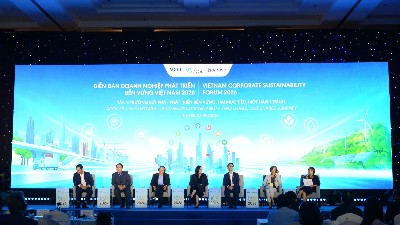
At the workshop, experts focused on assessing the current state of human resources and identifying specific needs for each sector and phase. They also proposed the establishment of competency frameworks, learning outcomes, specialized curricula, and mechanisms to develop a team of lecturers and experts.
One of the key proposed strategies is to concentrate resources on 5-6 core training institutions rather than spreading training across too many facilities. This approach aims to optimize costs and enhance institutional autonomy. Training centers are also encouraged to update their programs in accordance with International Atomic Energy Agency (IAEA) guidelines and develop advanced engineering programs.
Prof. Acad. Nguyen Quoc Sy from the Moscow Power Engineering Institute (MPEI) suggested a "joint faculty" model with foreign partners to create a shared training platform, develop faculty members, and strengthen academic exchange. Furthermore, he stressed the importance of balancing overseas training with building domestic capacity to mitigate the risk of "brain drain."



 Google translate