


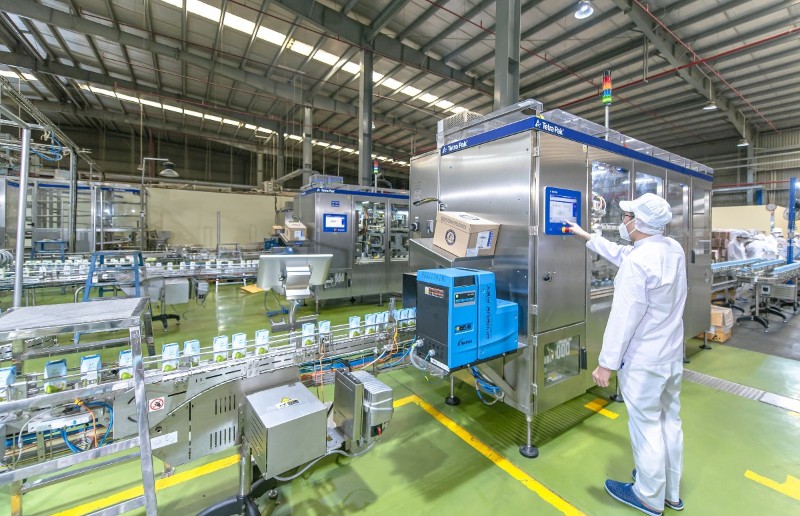
Vinh Long Province in Vietnam's Mekong Delta is currently concentrating on broadening its markets, leveraging Free Trade Agreements (FTAs), and enhancing the competitiveness of local enterprises, reported the online newspaper of Radio the Voice of Vietnam (VOV).
In the coming time, the province will continue to support businesses in capitalizing on key FTAs, such as the EU-Vietnam Free Trade Agreement (EVFTA), the Comprehensive and Progressive Agreement for Trans-Pacific Partnership (CPTPP), and the Regional Comprehensive Economic Partnership (RCEP).
Efforts will focus on expanding market reach in the EU, the United States, Japan, South Korea, and the Middle East. Simultaneously, the province will proactively update businesses on environmental and labor requirements, traceability, and other technical barriers to trade.
“We are continuing to expand our markets to ensure Vinh Long’s products have a stronger presence in potential regions, particularly by tapping into the new-generation FTAs that Vietnam has signed. We have instructed relevant departments and associations to work closely together to create favorable conditions that enhance competitiveness and reduce logistics costs for our businesses,” said Vice Chairman of the Provincial People’s Committee, Mr. Nguyen Truc Son.
As of August 12, the Mekong Delta province has 13,387 active enterprises with a total registered capital of over VND197.56 trillion (nearly $7.55 billion). Small and medium-sized enterprises (SMEs) account for more than 97% of the total, serving as the primary force within the province's private sector.
In the first eight months of 2026, industrial production maintained its growth momentum, with the industrial production index rising by 9.9%. Total retail sales of goods and consumer services revenue reached over VND116 trillion ($4.43 billion), an 18.39% increase. Export turnover hit nearly $2 billion, up 13.56% compared to the same period last year.
The export structure continues to shift positively. The processing and manufacturing group—including automotive wiring harnesses, textiles, footwear, processed coconut products, and handbags—now accounts for over 70% of the total turnover, playing a leading role in the province's export growth.




 Google translate