


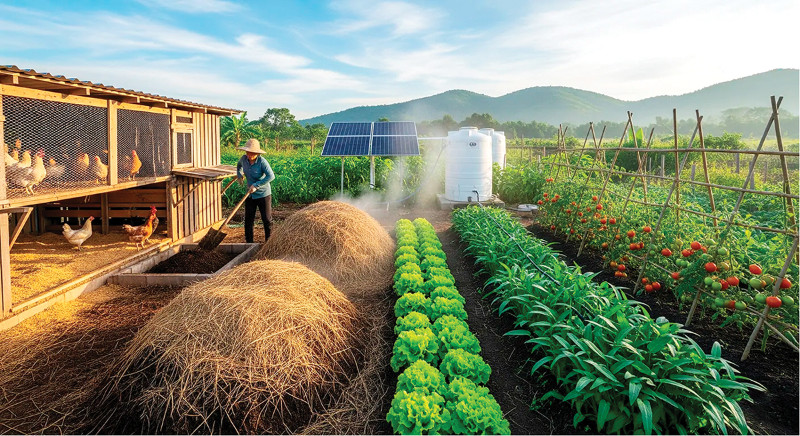
The Ministry of Agriculture and Environment has developed a comprehensive response strategy to address the ongoing conflict in the Middle East, according to a report released by the Government News.
The plan aims to mitigate negative impacts, maintain growth momentum, and ensure the successful achievement of the sector's 2026 development targets.
Accordingly, three scenarios are outlined based on the potential duration of the conflict: one month, three months, and one year. Accompanying these scenarios is a set of both urgent short-term measures and sustainable long-term strategies.
In the immediate term, the ministry will focus on stabilizing the supply and prices of agricultural inputs. Key priorities include: closely monitoring market fluctuations and establishing an early warning mechanism for logistics risks; assisting businesses with debt restructuring, warehousing, and cargo preservation; stepping up trade promotion activities and identifying alternative export markets to reduce dependency; and reviewing credit and tax policies to support exporters, reduce production costs, and maintain essential cash flow amid market volatility.
In the long term, the sector will continue to restructure production to enhance added value. Long-term goals includep promoting "green agriculture" and integrating advanced science, technology, and digital transformation; and diversifying export markets and increasing self-sufficiency in raw materials to reduce vulnerability to global shocks.
Additionally, the ministry has formally petitioned the Government and the Prime Minister to direct relevant ministries and agencies to implement synchronized support policies. These recommendations include providing credit assistance, trade facilitation, and agricultural insurance, while removing bottlenecks for both businesses and individual producers.
The ministry stated that proactively developing these response scenarios is crucial for enhancing the sector's resilience. This strategy not only protects the industry against current global instability but also creates opportunities for restructuring, ensuring sustainable growth for 2026 and the years to follow.
In 2026, the sector targets growth of 3.7–4%, with total export turnover reaching about $73–74 billion. Production and export results in the early months of the year have shown positive signals, laying the foundation for achieving these goals.
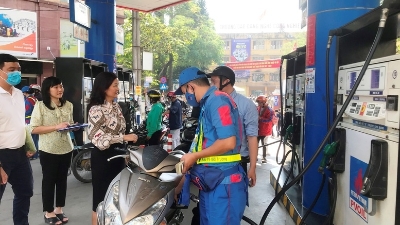
However, the conflict in the Middle East is expected to affect the sector through several channels. First, input costs are rising due to soaring energy prices, which in turn drive up the cost of agricultural materials, animal feed, and transportation. Agricultural production costs are estimated to increase by 3–5%.
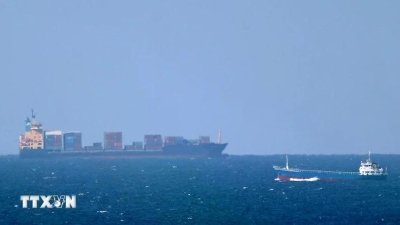
In addition, logistics costs have surged, with sea freight rates climbing by 25–35% and delivery times lengthening. This impacts the competitiveness of export goods, especially perishable products such as seafood, fruits, and vegetables. Certain commodities with a large export share to the Middle East, such as cashew nuts and pepper, face the risk of disruption.

 Google translate