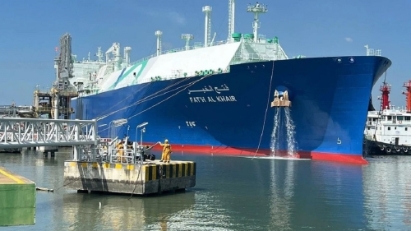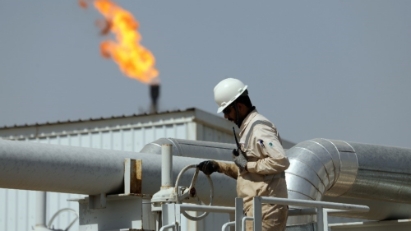
The Ministry of Construction recommended focusing on diversifying crude oil sources for domestic refineries to maintain stable operations and guarantee the fuel supply for the market.
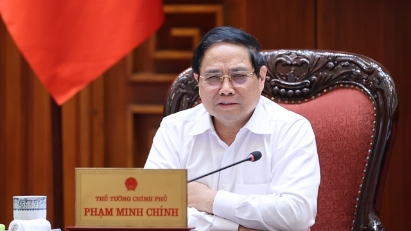
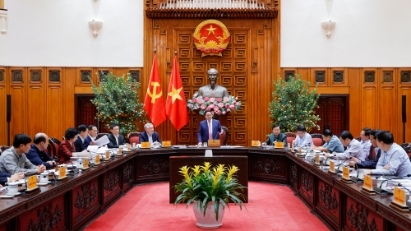
Prime Minister Pham Minh Chinh stressed that the core pillars of policy-making must be the protection of production, business activities, and the livelihoods of the people to ensure stability and minimize negative impacts from global volatility.
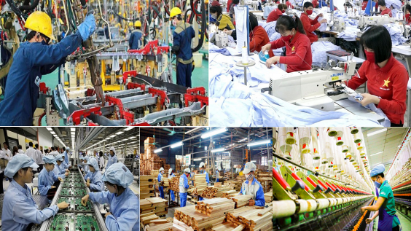
Measures primarily include rescheduling production timelines, optimizing material inventories, and seeking alternative supply sources to counter rising fuel, logistics, and material costs.
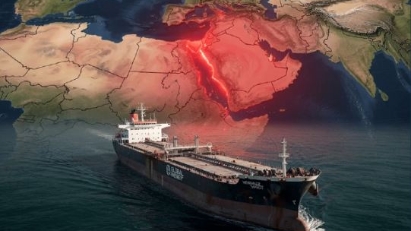
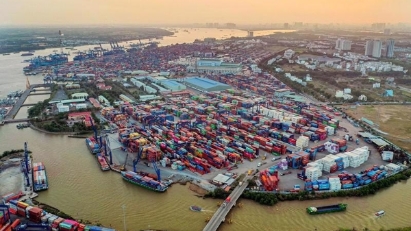
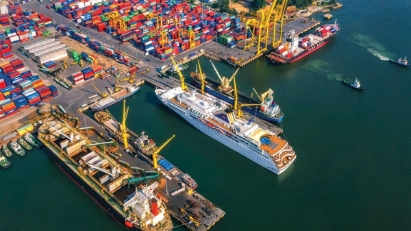
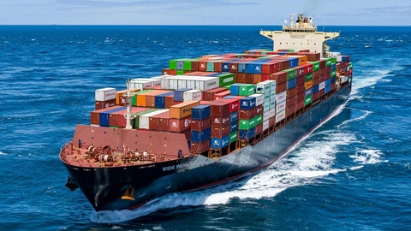
The two main maritime routes from Vietnam to the Middle East and Europe are facing different scenarios but share the same outcome: difficulty and increased costs.
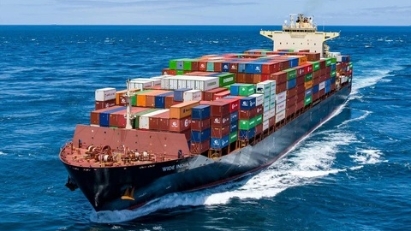
Due to disruptions in several shipping lanes, cargo transit times have increased by 7 to 10 days, leading to a substantial rise in logistics costs for enterprises.
Given that the Middle East offers relatively healthy profit margins for pangasius and certain value-added product lines, the sharp rise in logistics costs could fundamentally alter the profit structure of the entire supply chain.
Beyond security concerns, the VMIWA advised businesses to evaluate the economic impact of the conflict, specifically regarding fluctuations in oil prices, freight rates, and shipping surcharges.
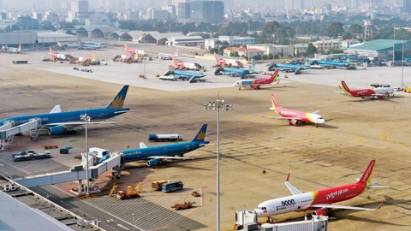
Vietnamese and foreign airlines operating in Vietnam have been directed to regularly update information from state management agencies, the International Civil Aviation Organization (ICAO), and relevant aviation authorities to make appropriate operational decisions.