


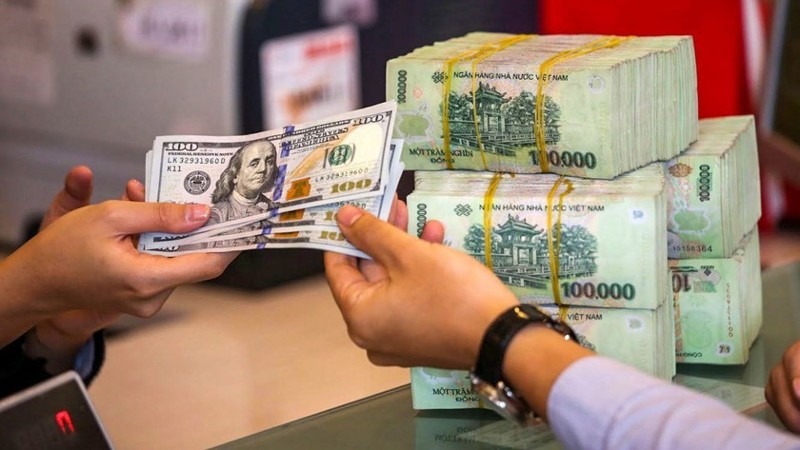
The Ministry of Finance has outlined two inflation scenarios for 2026, forecasting average consumer price index (CPI) growth of 4.5% and 4.8%, respectively.
According to the ministry's report presented at a meeting of the Price Management Steering Committee on October 9, price movements varied across the first three quarters of the year. Seasonal consumer demand, particularly during holidays and the Lunar New Year, alongside fluctuations in international fuel and raw material prices, significantly influenced domestic prices.
Deputy Minister of Finance Tran Quoc Phuong said global fuel and energy prices had risen sharply since March, while disruptions to transportation and logistics had pushed up input costs, putting additional pressure on domestic prices.
In the first nine months of 2026, average CPI increased 4.52% year on year, while core inflation rose 4.26%.
Inflationary pressures are expected to persist in the final months of the year. Risks stemming from international energy markets, supply chain uncertainties, and rising public investment and consumer spending towards year-end could complicate efforts to keep prices under control.
However, the impact may be partly offset by tax and fee exemptions and reductions, flexible monetary policy, abundant domestic food supplies and the recovery of production following natural disasters, Mr. Phuong said.
The Ministry of Finance’s two full-year inflation scenarios represent a reduction of 0.2 percentage points from its forecasts released in early September.
Meanwhile, the State Bank of Vietnam expects average CPI growth of between 4.5% and 5%, while forecasts from international organisations range from 4.2% to 5.5%.







 Google translate