



Against a backdrop of supply chain instability, export enterprises are prioritizing the recruitment of logistics and supply chain professionals capable of crisis management, alternative sourcing, and transport risk mitigation.
According to a labor market report from the Hanoi Employment Service Center, the capital's economy is expected to maintain its growth momentum in March 2026, building on the positive foundations established in the first quarter.
However, risks stemming from conflicts in the Middle East are no longer a distant threat but are now exerting direct pressure on exporters. Escalating oil prices and disruptions in maritime supply chains are expected to hit the textile, footwear, and electronic component sectors particularly hard.
These industries rely heavily on imported raw materials and sea freight. Consequently, firms may face order delays or skyrocketing input costs, forcing them to optimize operational processes to protect profit margins.
The Hanoi Employment Service Center notes that the labor market in March is not only vibrant in terms of hiring volume but also more stringent regarding candidate quality. While core sectors continue to show growth—such as manufacturing (up 5%) and wholesale/retail (up 4%)—there is a marked shift in the specific skill sets currently in high demand.
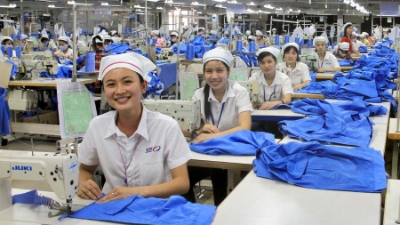
In the manufacturing sector, the demand for traditional unskilled labor is being replaced by a "thirst" for technicians. Companies are looking for personnel capable of operating automated production lines and interpreting production data to minimize waste and reduce costs.
Furthermore, workers who possess multitasking skills and the ability to utilize AI-assisted tools for order and warehouse management will hold a significant competitive advantage. This shift comes as Hanoi-based enterprises are forced to tighten budgets and increase efficiency to cope with the ongoing volatility in the Middle East.







 Google translate