


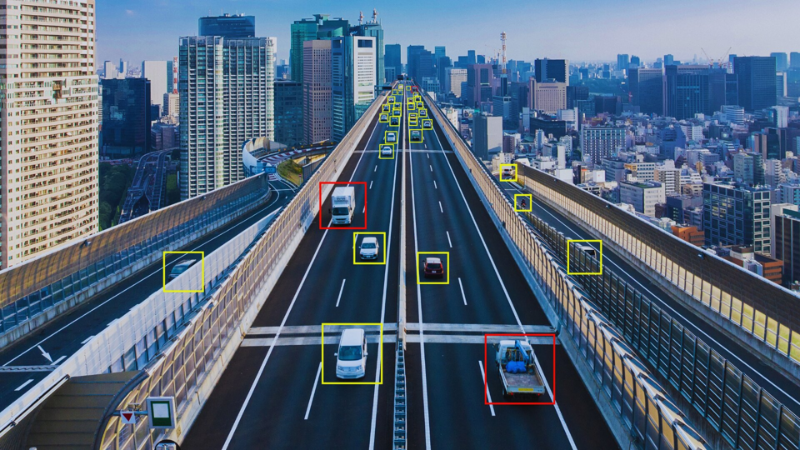
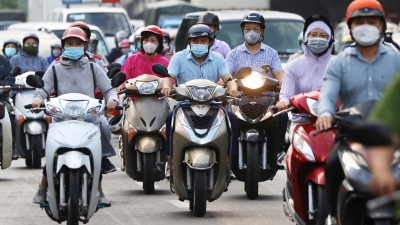
Hanoi is confronting a major challenge for a smart transport system, including rapid urban population growth, worsening air pollution and infrastructure struggling to keep pace with development, thus pushing the city to search for new solutions, with Artificial intelligence (AI) and digital technology emerging as a key.
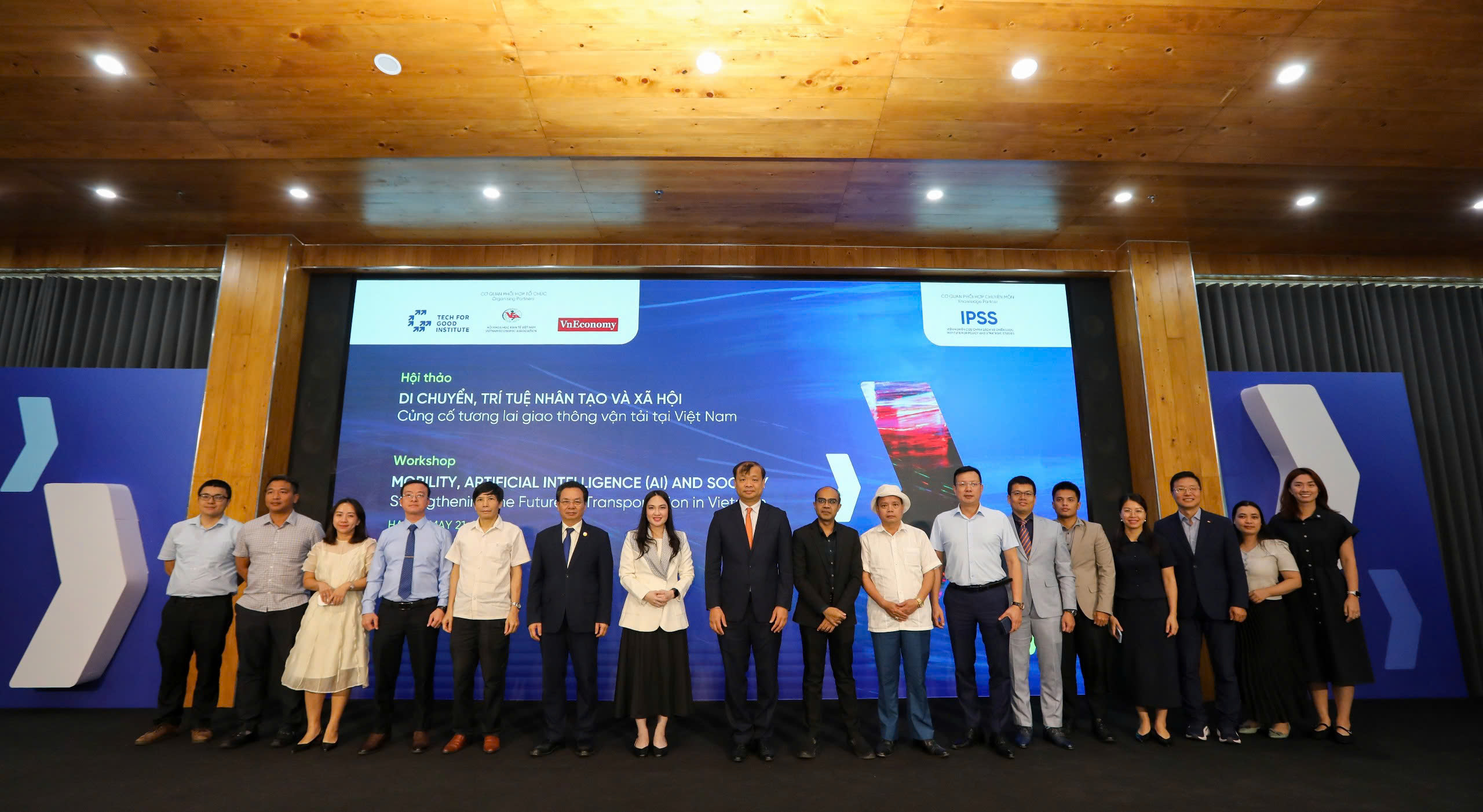
At the seminar “Mobility, Artificial Intelligence (AI) and Society: Shaping the Future of Transportation in Vietnam” - organised by the Vietnam Economic Association (VEA), Vietnam Economic Times /VnEconomy, and the Tech for Good Institute (TFGI), in collaboration with the Institute for Policy and Strategy Studies (IPSS), held on May 21 in Hanoi - experts were candid in their assessment: the city’s journey towards smart transport is long, and current development priorities still need to be recalibrated if they are to truly serve the public.
First step towards smart transportation infrastructure
During the dialogue "The Opportunity — Multiple Pathways to Strengthen Mobility for Vietnamese People" at the seminar, Mr. Luong Duc Thang, Deputy Head of the Transport Infrastructure Management Division at the Hanoi Department of Construction, noted that adjusting traffic organisation is an ongoing and continuous responsibility.
In the near term, the city is exploring two key groups of measures: policies aimed at reducing emissions to improve air quality; and making bus services free for residents, as a lever to shift behaviour away from private vehicles and prioritise public transport development.
“Transport is always the issue that draws the most attention. We constantly receive a large volume of feedback, precisely because it directly affects the daily lives of all residents,” Mr. Thang said
Yet the concern weighing most heavily on the Hanoi Department of Construction official lay at a more fundamental level: the state of data and AI adoption within the management bodies themselves - still very much a case of “everyone doing their own thing.”
Mr. Thang was candid: individual managers are using different AI software tools of their own choosing; there is no shared data system; and no single body yet has the capacity to consolidate, guide and effectively exploit the city’s transport data in a coordinated way.
“Everything is still fragmented, with no overarching direction. The question I keep asking myself is: where exactly do we stand in the AI development journey?” Mr. Thang said.
This is precisely the area where Mr. Thang believes experts, technology firms and researchers can add the most value: not just by providing solutions, but by helping management agencies understand where they currently stand on the digital transformation map, and from there build a coherent roadmap forward.
People must come first
From a different vantage point, Dr. Nguyen Duc Vinh, former Director of the Institute of Sociology under the Vietnam Academy of Social Sciences, raised a paradox running through current transport planning and development: the social and human dimension, despite being the most fundamental objective, is routinely the last consideration raised.
According to Dr. Vinh, mobility is a basic human need. Any transport development plan - whether it involves expanding infrastructure, changing vehicle modes or optimising through AI - must therefore begin with the question: who will use it, and will they genuinely have access to options suited to their circumstances?
“The goal of meeting the mobility needs of all social groups - on terms that give them the most suitable choices for their own situations - must be set from the outset. Whenever we change transport modes or optimise using AI, we also need to think about who the users will be and what choices are available to them. These are social issues that must always be built into transport development plans,” Dr. Vinh emphasized.
He also identified a structural weakness in the prevailing approach: when each agency sets its own objectives and only then attempts to coordinate, integrating the social dimension becomes very difficult. Instead, an integrated vision - one that places the mobility needs of all segments of the population at the starting point - must be built early, before any technical or technological solution is designed.
The two perspectives heard at the conference - one from infrastructure management, one from sociology - diverge in discipline but converge on a single point: Hanoi needs a more unified and comprehensive framework for applying AI to transport.
For management agencies, the immediate challenge is to build a centralised, large-scale and properly standardised transport database to underpin substantive AI applications - rather than allowing each department to continue working in isolation with its own tools. For policymakers, the challenge is to embed social criteria - equitable access, diversity of choice, leaving no one behind - as a mandatory design standard, not an optional add-on.
The journey towards a smarter, cleaner and more equitable transport system in Hanoi is under way. But to move in the right direction, perhaps the most important question is not which AI software to choose - it is who the transport system is meant to serve, and what they need.




 Google translate