


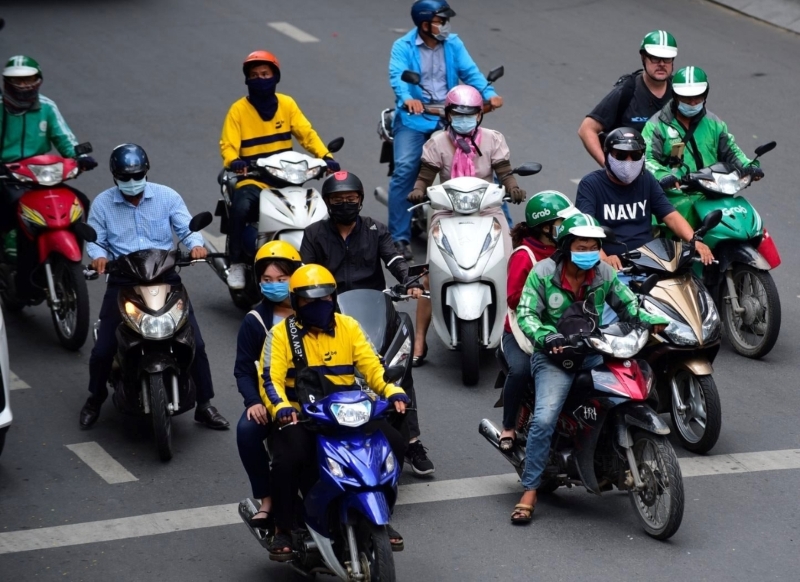
Hanoi is preparing to introduce phased restrictions on fossil fuel-powered vehicles within the capital’s central wards as part of a low-emission zone (LEZ) initiative aimed at reducing air pollution and accelerating the transition to green transport.
Under a draft resolution submitted to the Hanoi People’s Council, which is expected to be reviewed at a special session opening on May 12, the city will gradually limit the use of gasoline-powered vehicles in areas inside Ring Road 1.
For private gasoline-powered motorcycles, excluding ride-hailing motorbikes, residents in pilot areas will be required to register online with local authorities regarding their vehicle transition plans between July 1 and October 1, 2026.
The first phase, running from July 1 to December 31, 2026, will cover the core area of Hoan Kiem Ward, including 11 major streets such as Trang Tien, Hang Khay and Le Thai To. During the pilot period, gasoline motorcycles will be restricted from operating between 6 pm and midnight on Fridays, and from 6 am to midnight on weekends. Gasoline-powered ride-hailing motorbikes are expected to be completely banned from the low-emission zone starting July 1, 2026.
The second phase, from 2027, will expand the pilot zone to include Hoan Kiem and Cua Nam wards. By 2028–2029, the entire area inside Ring Road 1—spanning nine wards —is expected to be designated a low-emission zone.
The proposal also includes stricter emissions regulations for freight vehicles. Trucks under two tons that fail to meet Level 4 emissions standards would be prohibited from entering the zone, while compliant vehicles would face peak-hour restrictions. Larger trucks would face tighter operating-hour limits or full bans.
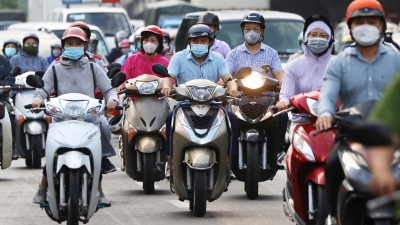
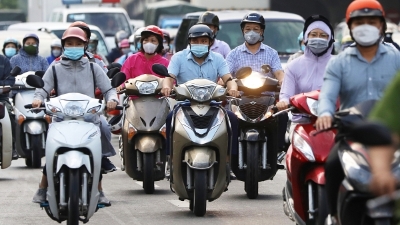
According to Hanoi authorities, gasoline-powered motorcycles currently account for 94–97% of vehicles in the affected wards, underscoring the scale of the transition challenge. Officials have called for stronger financial incentives, tax reductions and registration fee exemptions for green vehicles, alongside expanded charging infrastructure and clearer transition policies to build public support.
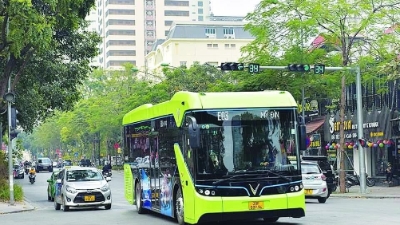
To support implementation, Hanoi plans to accelerate the development of electric buses, urban railways, public bicycles and shared electric motorbikes, while installing charging stations and automated license plate recognition systems to monitor vehicle access and enforce regulations.

 Google translate