


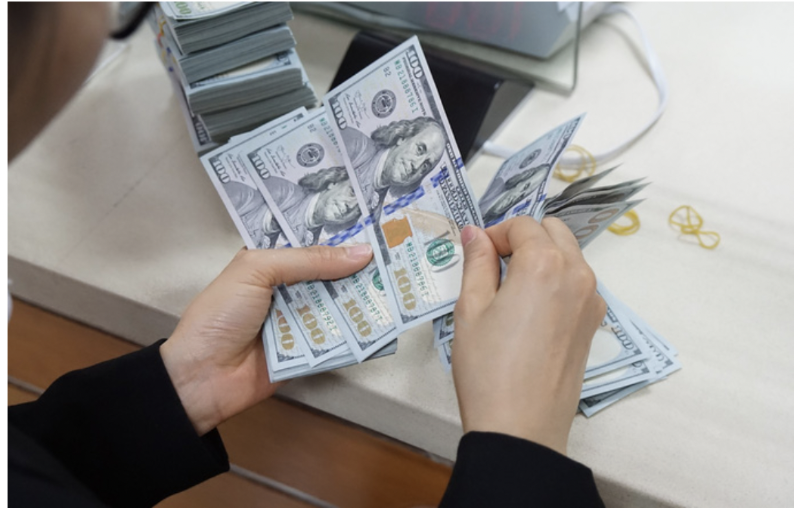
Remittance inflows through credit institutions and economic organizations in HCM City totaled over $2 billion in the first quarter of 2026.
According to the Ho Chi Minh City - based State Bank of Vietnam Regional Branch No. 2, this figure represents a 15.6% decrease compared to the fourth quarter of 2025 and a 16.9% decline relative to the same period in 2025.
This downward shift not only highlights the current challenges facing the Vietnamese economy but also presents new opportunities for strategic adjustments and sustainable development.
The primary driver behind this decline is a combination of global economic and geopolitical factors. The sluggish recovery of the world economy, high inflation, and rising living costs have directly impacted the disposable incomes of overseas Vietnamese.
Additionally, prolonged tight monetary policies in major economies have reduced the capacity of the diaspora to send funds home. Geopolitical conflicts in the Middle East have also triggered energy price volatility and global inflationary pressures, further straining the real income of overseas laborers.
Domestically, while the macroeconomy remains stable, some investment channels have not yet become attractive enough to draw in significant remittance flows. The narrow interest rate gap between the Vietnamese dong and the US dollar is another factor making overseas Vietnamese more hesitant to transfer money. Furthermore, a natural seasonal decline occurred following the peak transfer period of the Lunar New Year holiday earlier in the year.
Despite the current drop, this situation is viewed as an opportunity for the city to refine its approach to attracting overseas capital. Enhancing the local investment environment, strengthening support policies for the diaspora, and developing more appealing investment products could serve as effective solutions to revitalize these inflows.
the State Bank of Vietnam – Ho Chi Minh City Branch observed that while remittance flows may not show a clear upward trend immediately due to ongoing global and domestic uncertainties, timely adjustments and sustainable development strategies could help the city turn these challenges into a long-term economic catalyst.



 Google translate