


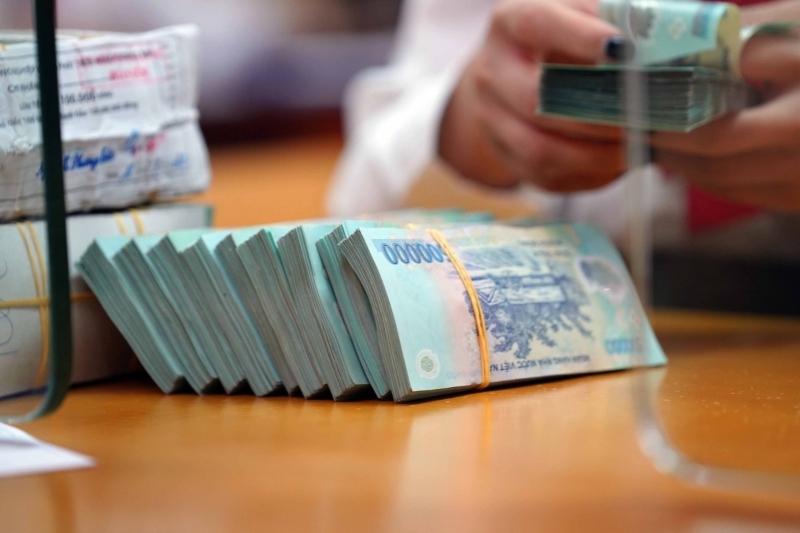
Combined outstanding credit in Ho Chi Minh City and its neighboring Dong Nai city reached over VND6 trillion (approximately $237 billion) by the end of April 2026, up 3.84% compared to the end of 2025, according to the State Bank of Vietnam’s Regional Branch No.2.
Although the growth rate was slightly below the national average of 4.42%, the two key economic hubs accounted for 31.1% of Vietnam’s total outstanding credit, underscoring their central role in the country’s financial system.
Vietnamese dong (VND) -denominated loans in the two cities continued to dominate lending activity, totaling VND5.7 trillion, or 94.6% of total outstanding credit, marking a 2.92% increase from the end of last year.
Credit allocation during the first four months of 2026 reflected a positive trend, with capital flowing primarily into major service sectors and key productive industries.
The manufacturing and processing sector led growth with a 5.8% increase in credit, followed by agriculture, forestry, and fisheries, which rose 5.4%. Lending to the wholesale and retail trade, including vehicle repair services, expanded by 4.4%.
Meanwhile, credit to the construction sector grew 3.3%, while transportation and warehousing recorded a 3.1% increase. Household-sector lending, covering both production and consumption purposes, rose 2.7%, highlighting continued support for domestic economic activity.







 Google translate