


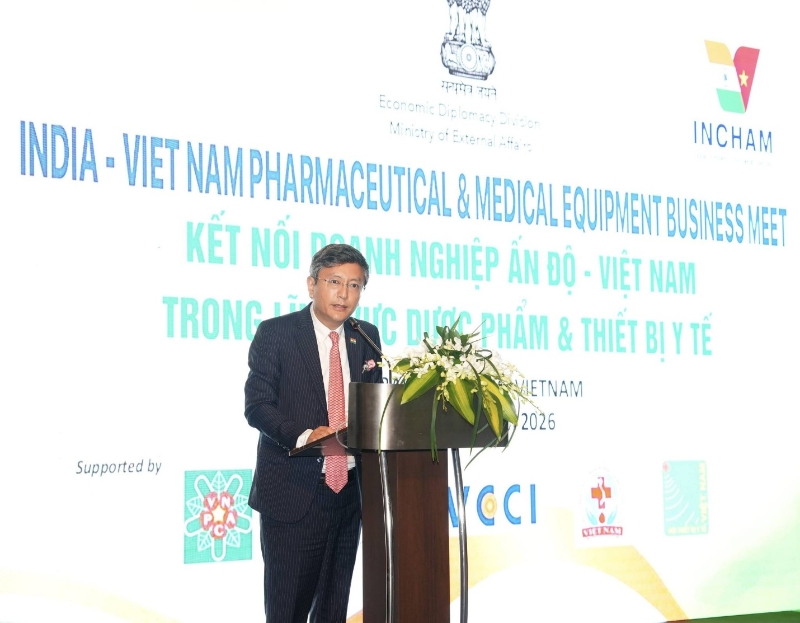
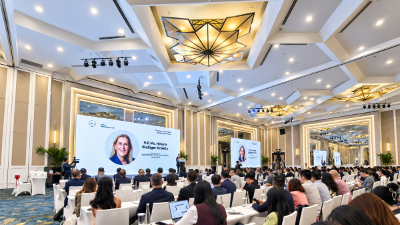
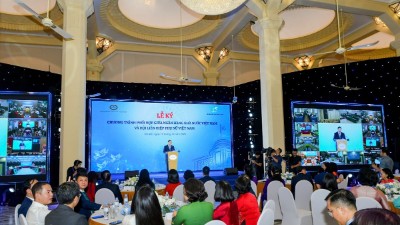
The "India - Vietnam pharmaceutical & medical equipment business meet" was held in Hanoi on March 25.
Organised by the Embassy of India in Hanoi in collaboration with the Indian Business Chamber in Vietnam (INCHAM), the event brought together nearly 220 delegates, including policymakers, regulators, hospital representatives, and leading pharmaceutical enterprises.
From the perspective of a VnEconomy correspondent present at the event, discussions reflected not only optimism about market potential but also a candid acknowledgment of structural challenges that continue to constrain the full realization of bilateral pharmaceutical trade.
A strategic sector in a milestone year
The business meet took place at a particularly symbolic moment, as 2026 marks the 10th anniversary of the Comprehensive Strategic Partnership (CSP) between Vietnam and India. In his keynote address, H.E. Tshering W. Sherpa, Indian Ambassador to Vietnam, emphasized that pharmaceuticals were deliberately chosen as the first thematic focus of a series of commemorative events.
“Pharma touches people. It affects the common man and has the power to make our lives better and more meaningful,” the Ambassador noted, framing healthcare cooperation as both an economic and humanitarian priority.
Vietnam and India have already established institutional mechanisms such as the Joint Working Group on Health, but the event underscored a shared desire to translate diplomatic goodwill into more tangible business outcomes - particularly in the context of rising healthcare demand and ongoing reforms in Vietnam’s pharmaceutical sector.
One of the central themes of the event was India’s position as a global pharmaceutical powerhouse. Widely known as the “Pharmacy of the World,” India supplies approximately 20% of global generic medicines by volume and is a leading provider of vaccines, accounting for up to 60% of global supply.
Indian pharmaceutical exports reached approximately $30.4 billion in 2025, with strong penetration in highly regulated markets such as the United States and Europe. The country also hosts the largest number of USFDA-compliant manufacturing facilities outside the United States, alongside more than 2,000 WHO-GMP approved plants.
These strengths- combined with competitive pricing and a vast pool of skilled healthcare professionals- position India as an attractive partner for Vietnam, particularly as the latter seeks to enhance drug affordability, supply security, and domestic production capacity.
Market potential meets regulatory realities
Despite these advantages, discussions at the conference revealed a paradox: India remains one of the largest suppliers of pharmaceuticals to Vietnam in terms of volume, yet its ranking by value remains relatively modest. Ambassador Sherpa pointedly raised this issue, noting that Indian companies have struggled to move beyond lower-tier segments of the market.
A key factor lies in Vietnam’s public procurement system, where many Indian firms are currently categorized in segments primarily associated with generic drugs. Limited compliance with stringent regulatory authority (SRA) standards has restricted their participation in higher-value procurement categories. This structural constraint has, in effect, capped the growth potential of Indian pharmaceutical exports to Vietnam, even as demand continues to rise.
Vietnam’s ongoing regulatory reforms were a major focus of the event. Representatives from the Ministry of Health outlined new policies aimed at strengthening the domestic pharmaceutical industry, including incentives for high-tech investments and local manufacturing under the “Make in Vietnam” strategy.
These reforms are part of Vietnam’s broader National Strategy for Pharmaceutical Industry Development to 2030, which seeks to reduce dependence on imports while improving access to quality medicines.
For Indian companies, these policy shifts present both a challenge and an opportunity. On one hand, stricter regulatory requirements demand higher compliance standards. On the other, they open the door for deeper forms of collaboration-such as joint ventures, technology transfer, and contract manufacturing within Vietnam.
Encouragingly, both sides signaled progress on regulatory cooperation. A forthcoming Memorandum of Understanding (MoU) between Indian and Vietnamese regulatory agencies is expected to streamline approval processes and facilitate market entry.
In addition, India is developing a digital verification portal incorporating QR-coded Certificates of Pharmaceutical Product (COPP), aimed at reducing administrative delays and improving transparency.
From trade to long-term partnership
Two panel discussions- focusing on India’s participation in Vietnam’s pharma sector and broader opportunities in pharmaceuticals and medical equipment-provided valuable insights from industry players.
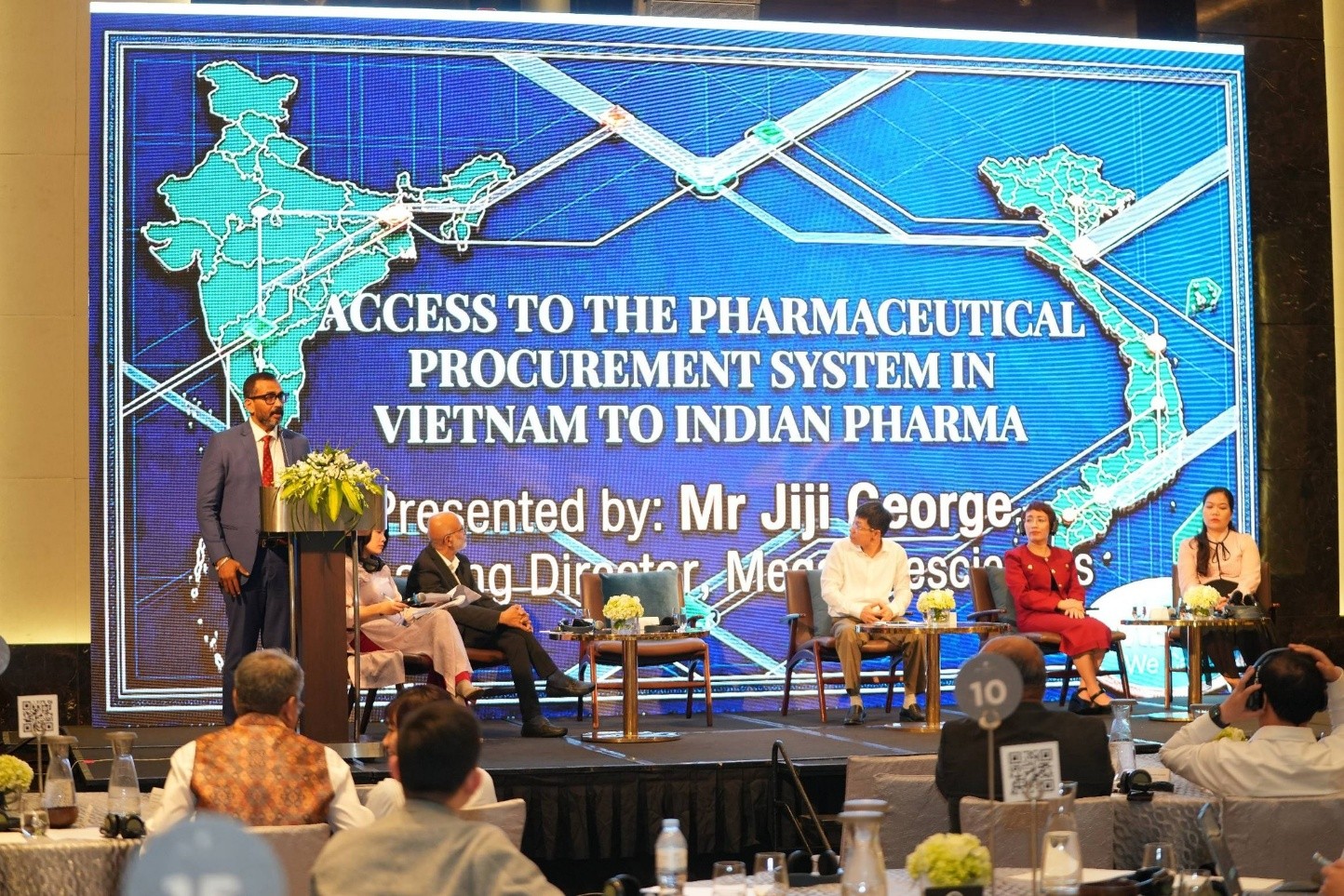
Vietnamese stakeholders expressed strong interest in expanding cooperation, particularly in areas such as affordable generic medicines, high-tech medical equipment, hospital management systems, and pharmaceutical research and development.
Meanwhile, Indian companies shared their experiences operating in Vietnam, highlighting both the market’s growth potential and the complexities of navigating regulatory and procurement systems.
A recurring theme was the need to move beyond a purely export-driven model toward more integrated partnerships. “Vietnam is no longer just a destination market- it is becoming a production and innovation hub,” one participant noted during the discussion.
Beyond pharmaceuticals, the event also highlighted opportunities in the broader healthcare ecosystem. India’s strengths in medical tourism, digital health solutions, and clinical research could complement Vietnam’s rapidly expanding healthcare infrastructure.
At the same time, Vietnam’s growing private hospital sector and increasing healthcare expenditure create demand for advanced technologies and services- areas where Indian firms are well-positioned to contribute.
The presence of organizations such as the Vietnam Pharmaceutical Companies Association, Vietnam Private Hospital Association, and Vietnam Medical Equipment Association underscored the multi-stakeholder nature of this cooperation.
A notable outcome of the event was the signing of a Memorandum of Understanding between INCHAM and the Vietnam Pharmaceutical Companies Association, signaling a commitment to institutionalize business cooperation.
Looking ahead, both sides are planning to convene the next Joint Working Group on Health in Hanoi, potentially as early as June 2026. This forum is expected to address regulatory alignment, investment facilitation, and long-term strategic collaboration.
While the overall tone of the event was optimistic, participants did not shy away from acknowledging persistent challenges, including limited awareness in Vietnam of India’s full pharmaceutical capabilities, regulatory mismatches, procurement constraints, and the need for higher compliance with international standards.
From a broader perspective, the March 25 business meet may mark a turning point in India-Vietnam pharmaceutical relations.
The convergence of several factors-policy reforms in Vietnam, technological advancements in India, and a shared commitment to healthcare development- creates a unique window of opportunity.
If effectively leveraged, this partnership could evolve into a model of South-South cooperation in the pharmaceutical sector, combining affordability, innovation, and resilience.
As the event concluded with an active Q&A session and networking exchanges, one message stood out clearly: the foundation for stronger India- Vietnam pharmaceutical cooperation is already in place, but realizing its full potential will require a shift from dialogue to decisive action.
For businesses, this means investing in compliance, partnerships, and local presence. For policymakers, it means ensuring regulatory clarity and consistency. And for both sides, it means maintaining the momentum generated by forums like this- so that cooperation in pharmaceuticals ultimately translates into tangible benefits for millions of people in both countries.


 Google translate