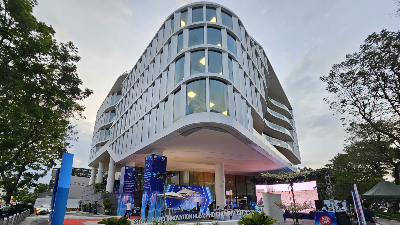
Vietnam has officially introduced a carbon exchange, marking a major step toward its net-zero goals and a market-driven approach to reducing emissions.
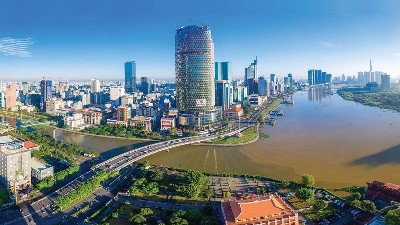
As Vietnam looks to modernize its growth model, policymakers are betting that International Financial Centers in Ho Chi Minh City and Da Nang can help channel the capital needed to power the country’s next stage of economic development.
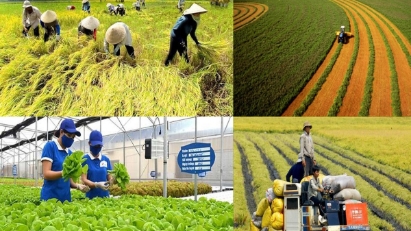
Though navigating a rather torrid 2025 marked by natural disasters and a fluctuating global landscape, Vietnam agriculture and environment sector managed to grow sustainably and reach its targets.
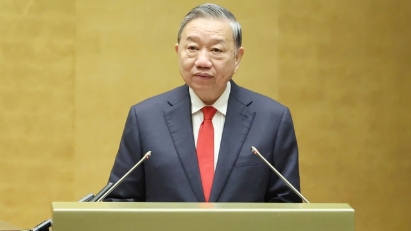
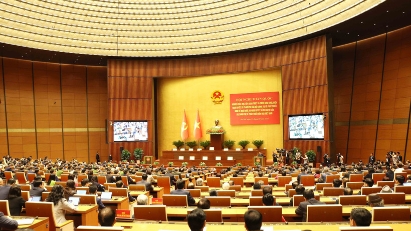
At a national video conference held on February 25 to disseminate the major contents of the Politburo's Resolution No. 79 on State economy development and Resolution No.80-NQ/TW on developing Vietnamese culture, Party General Secretary To Lam highlighted the role of the State economy.
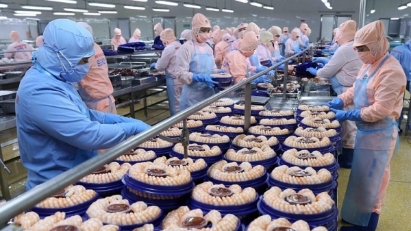
Amid intensifying competition, experts suggest that the most viable path for Vietnamese shrimp exporters is to increase the proportion of deep-processed products, reduce reliance on frozen raw shrimp, and maximize tariff preferences provided by the EVFTA.
At a nationwide conference, held by the Party Central Committee’s Secretariat on February 25, the Politburo’s Resolution No.79-NQ/TW on developing the state-owned economic sector and Resolution No.80-NQ/TW on developing Vietnamese culture were studied…
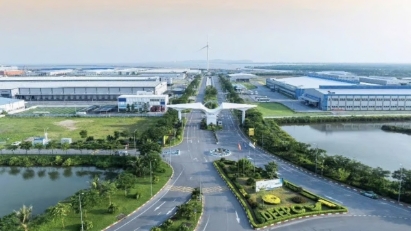
The economic zone will span approximately 5,300 hectares, designed to leverage Hai Phong city’s strengths in industrial and service development, with a focus on high-tech and environmentally friendly industries.