


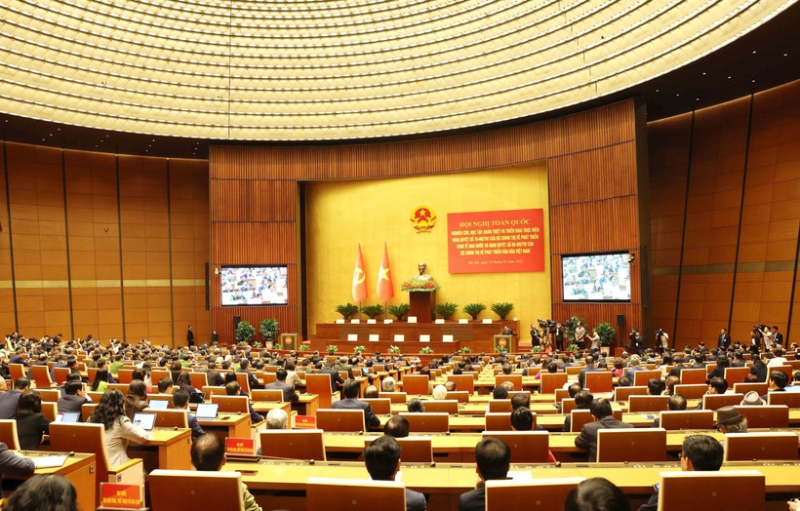
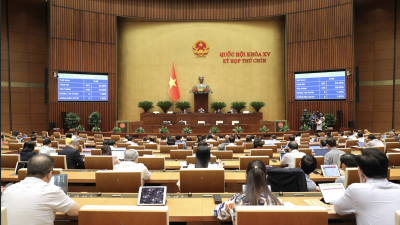
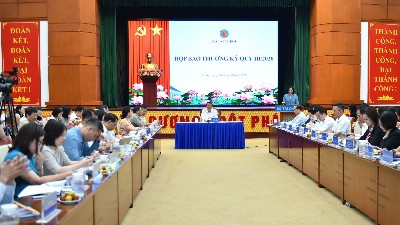
The Party Central Committee’s Secretariat held a nationwide conference in Hanoi on February 25 to study, disseminate and implement the Politburo’s Resolution No.79-NQ/TW on developing the state-owned economic sector and Resolution No.80-NQ/TW on developing Vietnamese culture.
The conference was connected to 27,284 sites nationwide, attracting more than two million participants. It was broadcast live on Vietnam Television and Radio the Voice of Vietnam, and streamed on digital platforms.
Party General Secretary To Lam attended and delivered a keynote address. Also present were State President Luong Cuong, Prime Minister Pham Minh Chinh, National Assembly Chairman Tran Thanh Man, Permanent member of the Secretariat Tran Cam Tu, along with many other leaders.
Participants included members of the Politburo, the Secretariat and the Party Central Committee; leaders of ministries, agencies and mass organizations; representatives of the armed forces and public security; executives of state-owned groups, corporations and banks; and a wide range of cultural managers, artists, authors and researchers. Local Party leaders and officials joined from provincial and grassroots sites nationwide.
Under the program, participants heard thematic presentations on the core contents of Resolution No.80-NQ/TW on cultural development, Resolution No.79-NQ/TW on the state-run economic sector, and the Government’s action program to implement the two resolutions, delivered by Party and Government leaders.
At the conference, Politburo member, Secretary of the Central Party Committee, and Head of the Party Central Committee’s Policy and Strategy Commision Nguyen Thanh Nghi presented key contents of Resolution79.
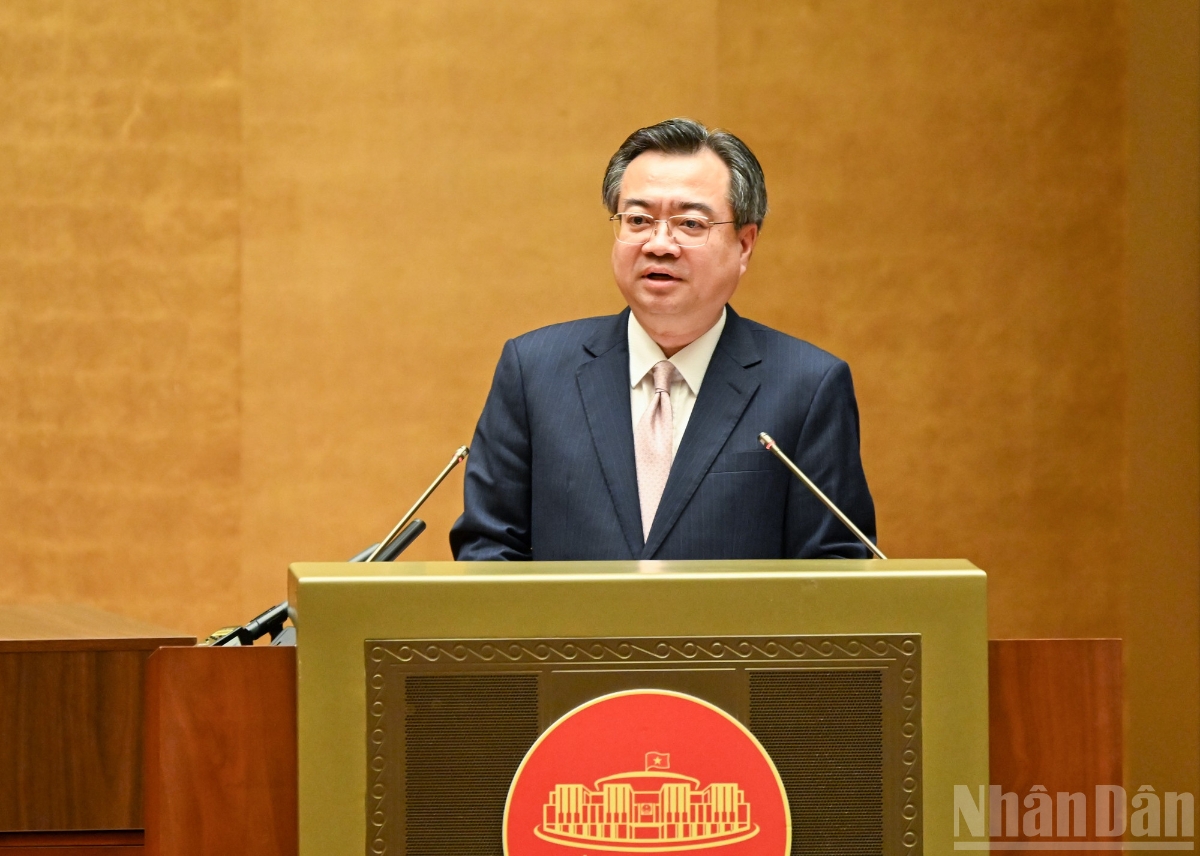
According to Mr. Nghi, Resolution 79 marks an important renewal in the theoretical thinking and awareness of the Party regarding the state economy. For the first time, the content of the state economy is defined comprehensively and systematically in a specialized resolution, clarifying its position and expanding the scope of this economic sector within the socialist-oriented market economy.
The state economy is identified as a particularly important component of the economy, viewed as a unified whole, encompassing all resources held, managed, and controlled by the State to achieve socio-economic development goals, macroeconomic stability, and ensure national defense and security.
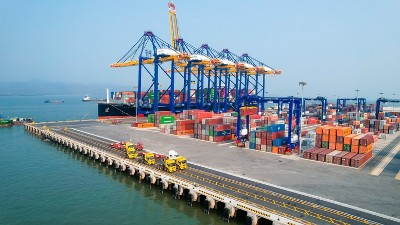
These resources include land, mineral resources, water resources, airspace, maritime areas, underground space; infrastructure systems invested in by the State; state budget; national reserves; state financial funds outside the budget; state-owned enterprises; state credit institutions; state capital in enterprises and public service units.
The resolution affirms that throughout 80 years of construction and development, especially in the 40 years of Doi Moi (Renewal) policy, the state economy has always played a leading role. This sector directly participates in production and business while also serving as an important material resource foundation and a strategic tool for the State to perform its role in guiding, leading, and regulating economic activities.
Through the state economy, the State promotes growth, stabilizes the macroeconomy, maintains major balances of the economy, ensures national defense and security, enhances self-reliance and resilience, and lays the foundation for rapid and sustainable socio-economic development in the socialist orientation.
In addition to the achieved results, the resolution also points out many limitations and shortcomings of the state economy. Policies and laws regarding the state economy are slow to innovate and have not kept pace with practical requirements. The management, exploitation, and use of many state resources and assets have not been truly effective, lacking full accounting according to economic principles, with wastefulness and loss still occurring, and the leading and controlling role not clearly demonstrated.
The operations of state-owned enterprises still face many limitations, with effectiveness not commensurate with the scale of resources held, low competitiveness, and a failure to play a pioneering role in innovation and leading key sectors and fields. The restructuring process of state-owned enterprises is still slow.
The system of public service units has not been streamlined, the operational mechanism and financial autonomy are slow to innovate, the proportion of fully autonomous units remains low, the quality of public services does not meet requirements, and many long-standing issues have not been resolved definitively.
To fully promote the role of the state economy and contribute to achieving the two strategic goals of national development by 2030 and 2045, Resolution No. 79 sets out five systematic, comprehensive, and holistic guiding viewpoints.
First, the resolution requires the renewal, supplementation, and specification of the content of the leading role of the state economy in the socialist-oriented market economy, in line with development requirements in the new era.
Second, it clearly defines the mutually beneficial relationship between the state economy and other economic sectors, aiming to fully promote the role of each sector and create a comprehensive driving force for the economy. The resolution sets a goal that by 2045, the state economy will become a solid foundation ensuring strategic autonomy, resilience, and comprehensive competitiveness of the economy; modern, transparent, and effective governance; deep integration into the global economy; and the provision of high-quality public services.
Third, it emphasizes enhancing the effectiveness of management, exploitation, and use of state economic resources.
Fourth, it raises the mission of the state economy in connection with the requirement to innovate the growth model.
Fifth, it strengthens the Party's leadership role, enhancing the capacity, effectiveness, and efficiency of state management over the state economy, especially in directing resource use and organizing implementation.
Based on that, the resolution sets out general goals and specific targets for the development of the state economy by 2030, with a vision toward 2045. The general goal focuses on enhancing the effectiveness of promoting the leading, pioneering, and strategic orientation role of the state economy in key sectors; leading and supporting economic sectors to develop together; contributing to promoting rapid and sustainable growth, ensuring national defense and security, social progress and equity, and improving the people's living standards.
The resolution also identifies specific targets by 2030 for six components of the state economy, including land and resources; infrastructure assets; budget, national reserves, and state financial funds outside the budget; state-owned enterprises; state credit institutions; and public service units.
Notable quantitative targets are specified, such as: the budget mobilization rate reaching about 18% of GDP; budget deficit around 5% of GDP; public debt not exceeding 60% of GDP; investment expenditure accounting for about 35–40% of total budget expenditure. For state-owned enterprises, striving to have about 50 enterprises among the 500 largest enterprises in Southeast Asia and 1–3 enterprises among the 500 largest enterprises in the world.
 Google translate