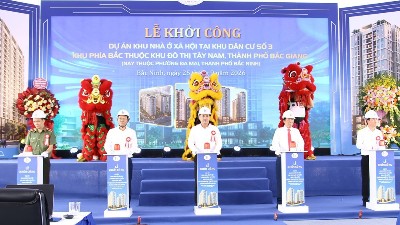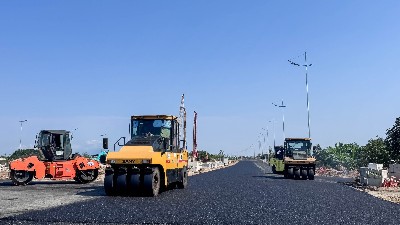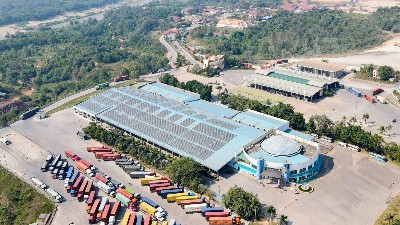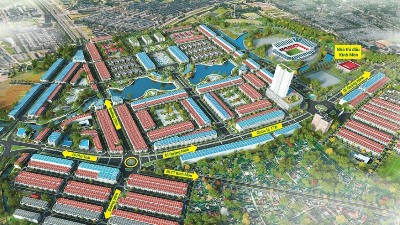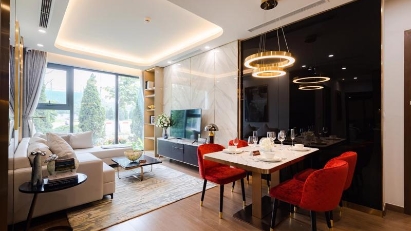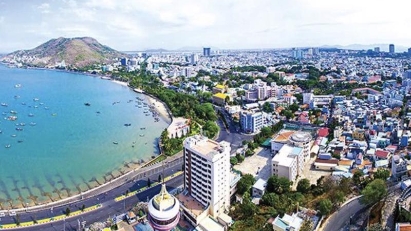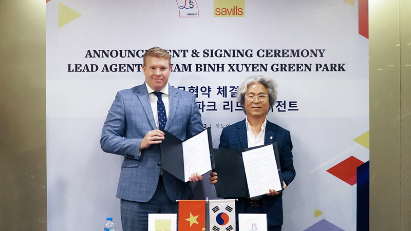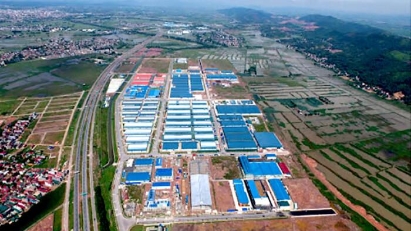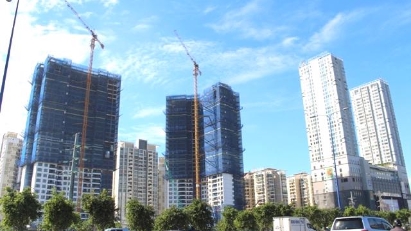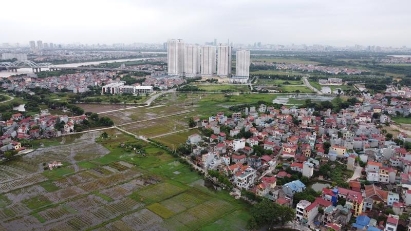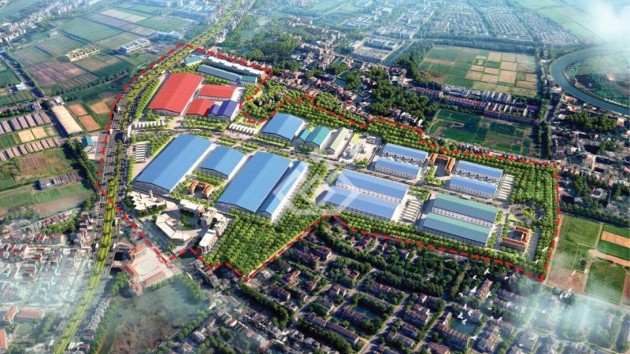
These projects have already received approved detailed planning and are part of the Mekong Delta city’s portfolio to invite independent social housing investment.
Vietnam’s tourism real estate market has been hit hard by Covid-19, with transactions in resort projects almost coming to a standstill. Some hotels are operating with a skeleton staff or have closed, while others have been put up for sale.
The construction of a 15,000-sq m complex in northern Hai Phong city with commercial and entertainment areas, 5-star hotels, and office space is expected to boost the attractiveness of the local business and investment environment. Investment will exceed VND6 trillion ($262.25 million), coming only from investors’ capital, not public capital.
Increasing numbers of people are buying suburban villas as a second home. A number of resort projects in Ba Vi and Soc Son districts in Hanoi and neighboring Hoa Binh province have also seen a growing number of buyers recently.
The Prime Minister has signed Decree No. 69/2021/ND-CP, effective from September 1, on the “Renovation and reconstruction of apartment buildings”, replacing Decree No. 101 from 2015. According to the Ho Chi Minh City Real Estate Association (HoREA), more than 2,000 old apartment buildings around the country that are 50 years of age or older are in need of renovation or reconstruction and the endeavor will be costly.
New trends seen in Hanoi’s real estate market include expansions to the capital’s outer reaches and the development of branded houses of high quality in its downtown area. Real estate will remain an attractive investment channel in the time to come despite the difficulties.
Apartments have been receiving the most attention in Vietnam’s real estate market in recent times, despite the impact of the pandemic, with high absorption rates coming from high demand for housing and investment. Apartment prices, however, are facing rising pressure as supply has been falling.