The adjustment aims for greater flexibility, with the threshold to be raised to approximately VND1 billion ($38,000) to reflect economic realities, support household businesses, and ensure budget balance.
Though results indicate a degree of recovery momentum in Q1 and March, ongoing global headwinds continue to pose concerns for Vietnam macro-economic situation.
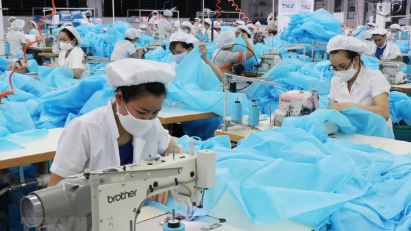
Along with strong GDP growth in the third quarter of 2022, Vietnam’s labor market has also witnessed more “bright spots”, with the number of employed people increasing by more than 255,000 quarter-on-quarter and 3.5 million people year-on-year. The average income of workers in processing and manufacturing and accommodation services is seeing high growth, showing that key economic sectors have recovered strongly.
Hanoi has proposed nine groups of solutions to overcome the situation of cadres, civil servants, and public employees leaving their jobs, including boosting their incomes, improving the workplace environment to make it more professional and modern, and creating opportunities for cohesion.
Figures from the Ministry of Labor, Invalids and Social Affairs show that the total number of Vietnamese workers going to work overseas was more than 103,000 in the first nine months of 2022, or 114.47 per cent of the annual plan, of which the number in September increased more than ten-fold over September last year. Japan continues to be the leading destination for Vietnamese workers, with 52,000, or nearly half.
The Ministry of Labor, Invalids and Social Affairs (MoLISA) has said that nearly VND3.54 trillion ($147.6 million) has been disbursed out of a total of VND6.6 trillion ($275.24 million) in rental support for more than 5.1 million workers, or 54.53 per cent of the original target. The government issued Decision No. 08/QD-TTg in March on rental support for workers affected by Covid-19.
The Ministry of Labor, Invalids and Social Affairs has said that the 2013 Law on Employment prescribes many policies to support employment but limitations have been revealed during implementation. It has proposed that policies be added to support labor market development, create sustainable jobs, improve incomes, and expand unemployment insurance for beneficiaries as well as workers overseas.
The Ho Chi Minh City Department of Health has forecast that the shortage of nursing staff at public hospitals will become even more acute, as the number of newly-recruited staff is lacking in number and skills to cover those who have resigned. The Department has proposed that the City’s People’s Committee adopt preferential mechanisms and policies to raise the incomes of nursing staff.