German businesses are diversifying their supply chains and strengthening cooperation with reliable partners, creating major opportunities for Vietnamese enterprises...
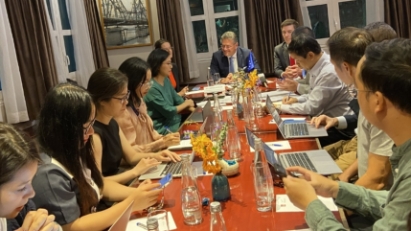
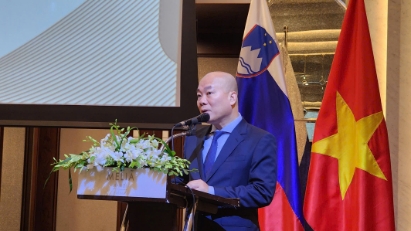
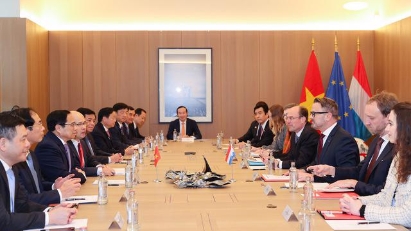
The visit by the Slovenian transport and logistics business delegation presents an opportunity for Vietnamese enterprises to expand cooperation in Southern and Central Europe, as well as explore new routes for transporting goods into the EU market.
Since the EUVFTA came into effect, goods exported to the EU granted a Vietnamese C/O under EUR. 1 form have accounted for 20 per cent of total exports to the bloc.
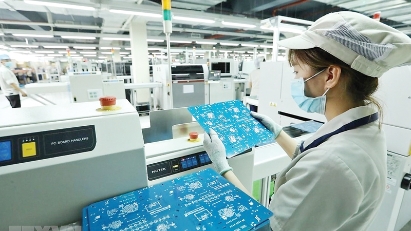
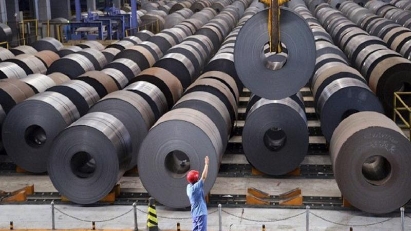
After two years of implementing the EU-Vietnam Free Trade Agreement (EUVFTA), from August 2020 to July 2022, total export turnover from Vietnam to the bloc stood at $83.4 billion, or $41.7 billion a year on average, which is 24 per cent higher than the average in the 2016-2019 period. Many export items have seen impressive growth, such as iron and steel, cameras, and machinery, etc.
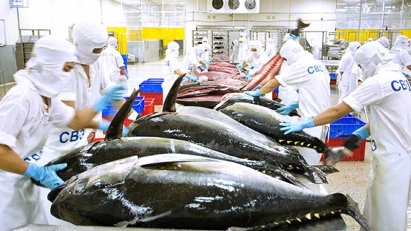
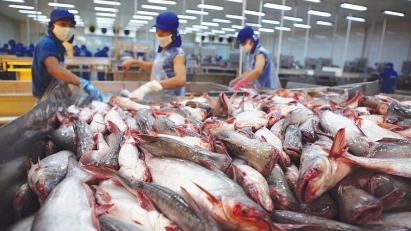
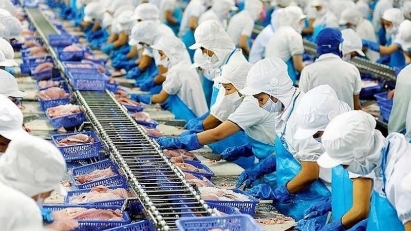
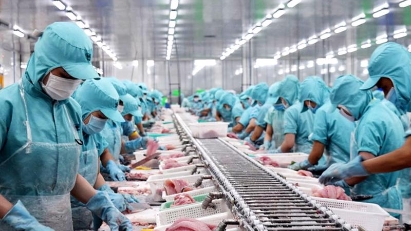
Vietnam’s seafood exports to Scandinavia are primarily frozen products and raw or semi-processed materials, while high-value goods are still small in number, meaning exporters cannot take full advantage of tariff incentives offered in the EU-Vietnam Free Trade Agreement (EUVFTA). Moreover, the market is small and with strict regulations, so it is difficult for Vietnam’s seafood to boost turnover without developing suitable value-added products.
Germany is a strict market for Vietnam’s exports in terms of legal regulations and consumer requirements, and is also highly competitive. To successfully do business, Vietnamese enterprises must fully exploit the advantages from the EU-Vietnam Free Trade Agreement (EUVFTA).
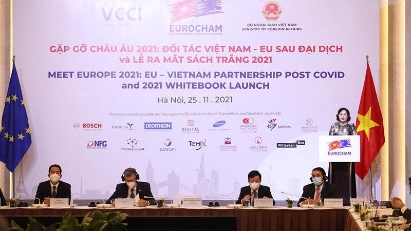
Bilateral trade increased 18.4 per cent in the year since the EU - Vietnam Free Trade Agreement (EVFTA) took effect. The EVFTA will only be successful with concerted efforts from both the Vietnamese and European business communities. Administrative procedures remain the greatest barrier for EU companies in Vietnam.
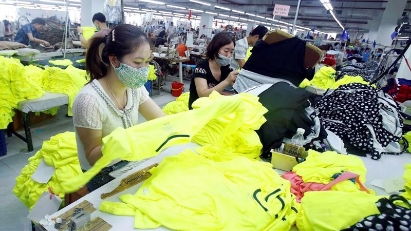
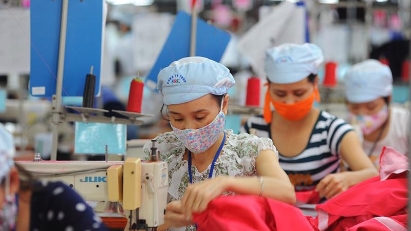
Figures from CCIFI show that many of Vietnam’s exports to the EU grew by more than 10 per cent year-on-year in the first half of 2021, confirming export opportunities for key products such as textiles, seafood, furniture, and wooden products in Europe. Businesses, however, must meet certain standards and requirements.
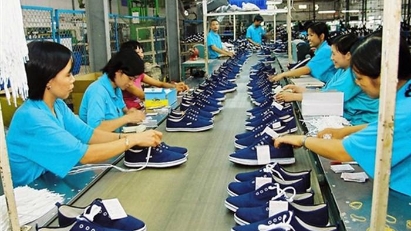
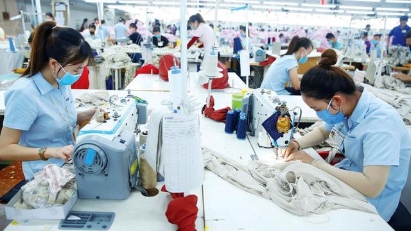
The positive impact of the EU-Vietnam Free Trade Agreement (EVFTA) as well as the increase in market diversification of EU businesses have helped Vietnam’s textile and garment industry recover after the pandemic.