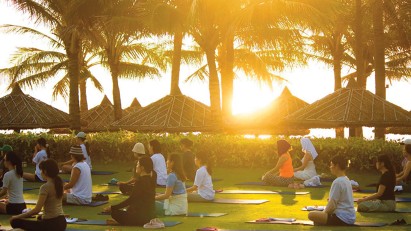
Experts and industry insiders discuss how Vietnam can develop wellness tourism through stronger standards, distinctive products, traditional medicine, and specialized talent.
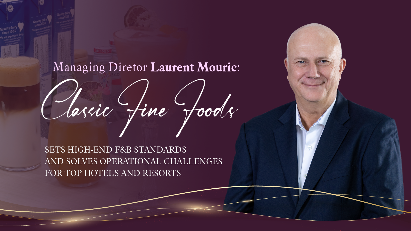
2026 is a turning point for luxury tourism and resorts in Vietnam. The boom of 4 and 5-star international hotels and the quick rise of ultra-high-net-worth individuals (UHNWIs) have made food and beverage (F&B) a “strategic weapon” to build brands and boost profits. However, behind Michelin-standard dishes or luxury resort banquets, there is major pressure. This includes supply chain breaks, high running costs, a lack of skilled culinary professionals, and the struggle to keep quality consistent. In an in-depth interview with VnEconomy, Mr. Laurent Mouric, Managing Director of Classic Fine Foods (CFF) Vietnam, shared his sharp views on the tourism economy from 2026 to 2031. He also said that Classic Fine Foods is not just a high-end food distributor. It is a Hotel & Hospitality Trend Setter and a Business Solution Provider for top B2B partners in Vietnam.
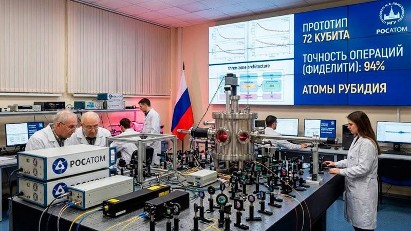
Rosatom and the Vietnam Academy of Science and Technology are expected to develop a long-term roadmap for quantum technology, establish joint laboratories, and train human resources for a high-tech field that is still at an early stage of development in Vietnam…
A specific development scenario has been issued for the tourism sector to contribute to Vietnam’s overarching target of posting double-digit GDP growth to 2030 and beyond.
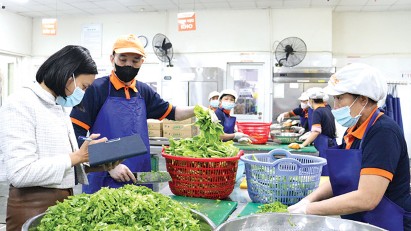
To be submitted to the National Assembly in October, the draft revised Law on Food Safety triggered much discussion at a recent workshop looking at its new contents and remedies for existing issues.