


Vietnam’s textile sector is at a pivotal moment, showing resilience with a notable rebound in performance even as structural challenges persist. In the first nine months of 2025, textile and garment exports climbed 7.7 per cent year-on-year to around $34.75 billion, helping Vietnam maintain its position among the world’s top exporters in the global market. Vietnam’s textile sector is at a pivotal moment, showing resilience with a notable rebound in performance even as structural challenges persist. In the first nine months of 2025, textile and garment exports climbed 7.7 per cent year-on-year to around $34.75 billion, helping Vietnam maintain its position among the world’s top exporters in the global market.
However, this recovery comes against a backdrop of mounting pressure: heavy reliance on imported raw materials, rising production and logistics costs, and increasingly stringent sustainability and traceability requirements imposed by global brands and export markets. As international buyers accelerate commitments to lower-carbon, water-efficient, and circular supply chains, sustainability has shifted from a competitive advantage to a baseline requirement. These combined forces underscore the urgent need for deeper restructuring and technological transformation, as Vietnamese textile manufacturers seek to move up the value chain while aligning economic growth with environmental responsibility.

A major factor affecting the competitiveness of Vietnam’s textile industry is operational efficiency, particularly in minimizing water usage and production waste.
Conventional textile manufacturing is still highly water-intensive, placing both environmental and financial burdens on producers. In contrast, digital textile printing allows for on-demand production, eliminating the need for high Minimum Order Quantities (MOQs) and significantly reducing overproduction and excess inventory, which are persistent challenges for both manufacturers and brands. The shift aligns closely with Vietnam’s national industrial development strategies, led by the Ministry of Industry and Trade, which identify textiles and garments as a priority sector for technological upgrading, productivity improvements, and sustainable manufacturing.
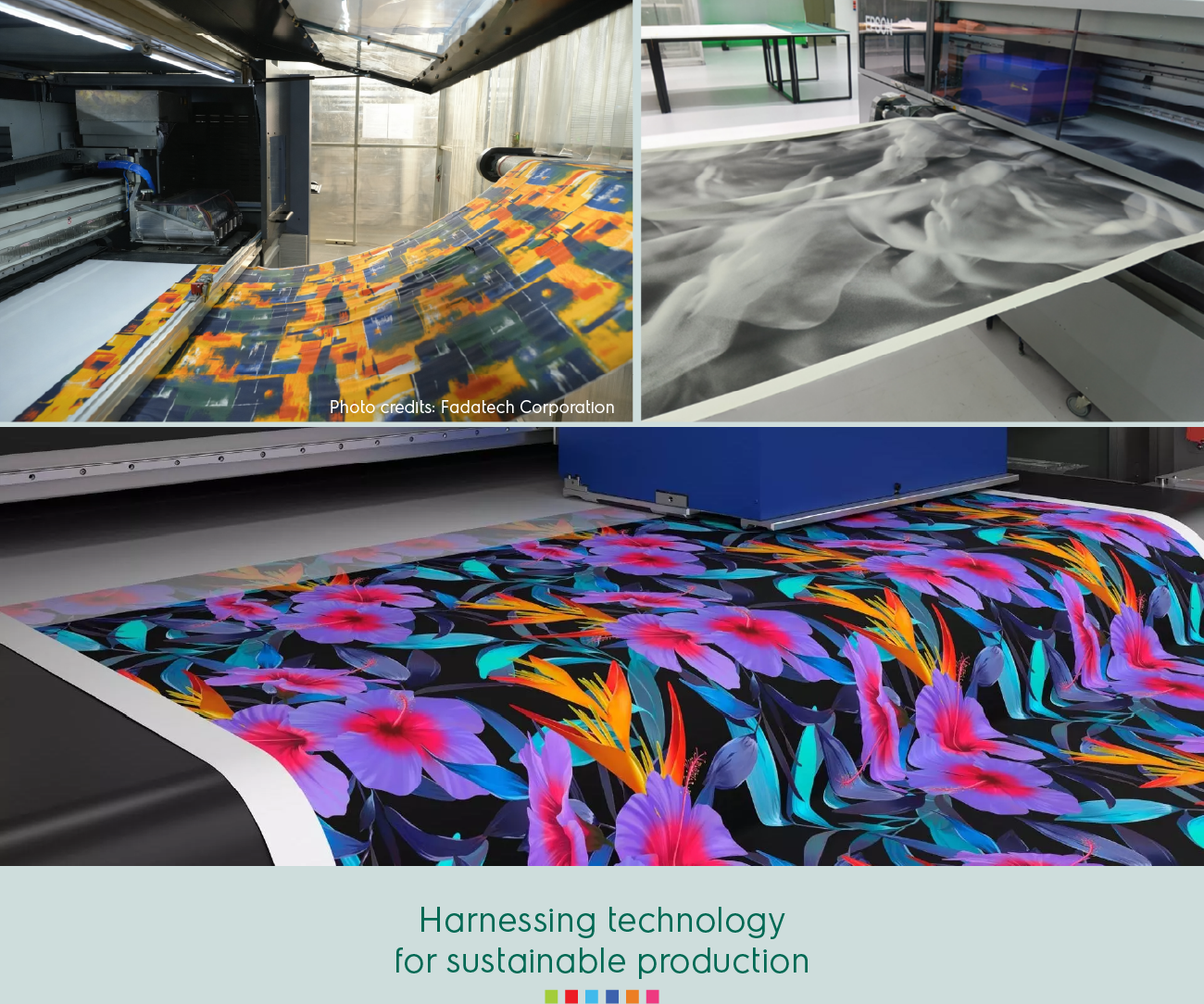
Digital textile printing provides a significantly more resource-efficient alternative to conventional analog methods. Leading this technological transformation is Epson’s Monna Lisa Series, designed as a sustainable industrial solution.
Using pigment-based inks, Monna Lisa streamlines production and can reduce water consumption by up to 97 per cent compared with traditional water-intensive processes. In addition, Epson is committed to ensuring that its full ecosystem adheres to high standards that deliver quality outcomes suitable for international trade. Its water-based GENESTA inks, certified by Oeko-Tex Eco Passport and approved by GOTS and Bluesign®, guarantee product safety, environmental compliance, and quality; factors that are increasingly essential for Vietnam’s export-focused textile manufacturers.

Adopting digital textile printing enables Vietnamese manufacturers to reduce waste, lower production costs, and gain greater operational flexibility. The Monna Lisa Series can print across a diverse range of fabrics, from fashion and home textiles to industrial applications, allowing manufacturers to respond quickly to market trends, shorten lead times, and diversify revenue streams in a highly-competitive global market.
A key advantage lies in Epson’s integrated development approach: the printer, PrecisionCore printheads, GENESTA inks, and pre- and post-treatment solutions are designed to work seamlessly together. This optimization ensures consistent quality, reliability, and long-term performance, which are essential for manufacturers supplying discerning international brands.

Innovation in Vietnam’s textile industry must go beyond printing to consider the entire lifecycle of materials. The circular economy is increasingly shaping global practices, driven by brand commitments to reduce waste, extend product lifespans, and enhance textile recycling.
One of the most promising solutions is Epson’s Dry Fiber Technology, which converts used garments and production scraps into reusable fibers that can be transformed into new fabrics. Scaled broadly, this technology addresses two of the sector’s biggest challenges: high water usage and low recycling rates.
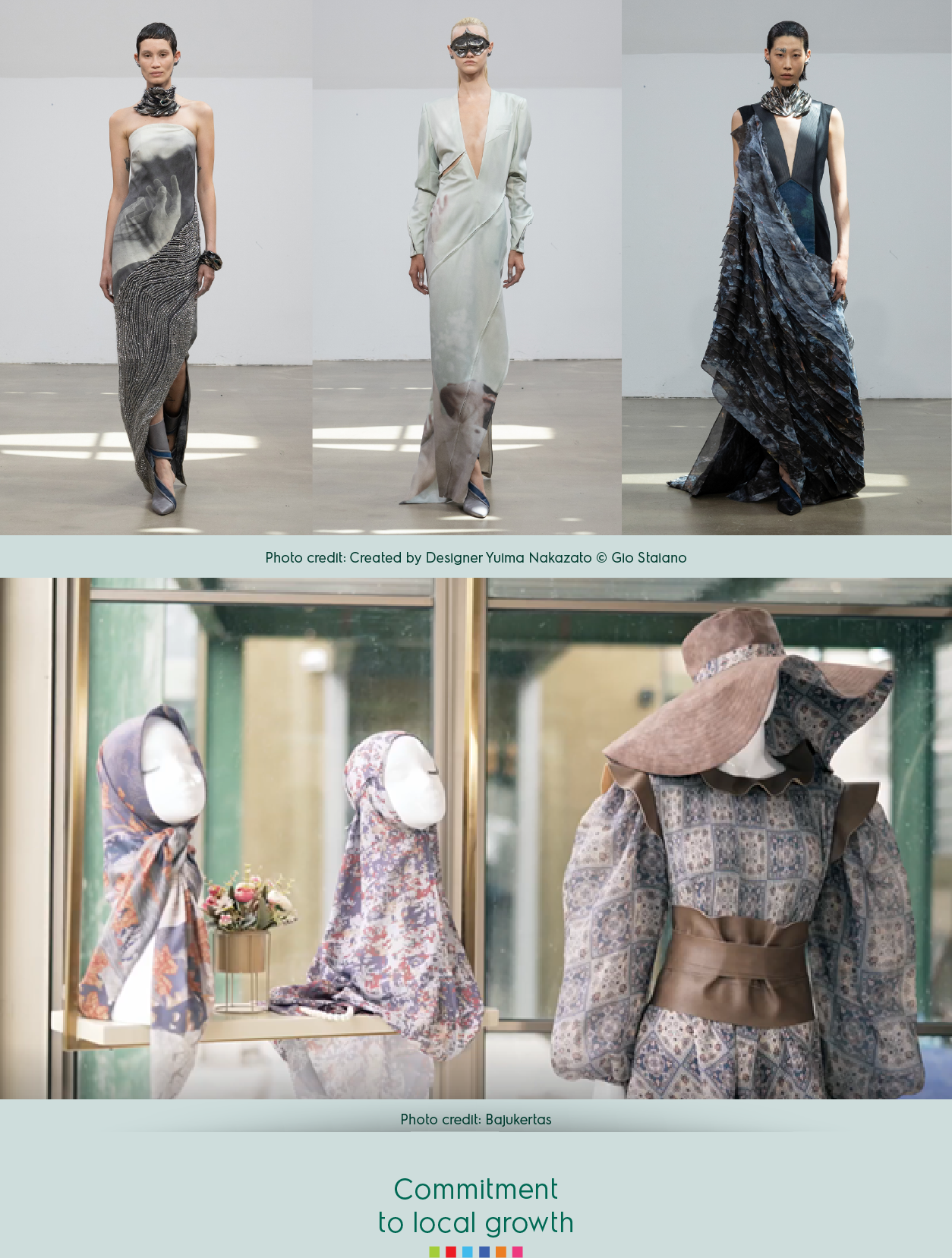
Demonstrating its creative potential, Japanese fashion designer Yuima Nakazato incorporated this non-woven recycled fabric into his recent couture collection showcased at Haute Couture Week in Paris. The project highlights how circular materials can achieve both aesthetic excellence and high quality. This collaboration exemplifies how technology can support more sustainable production while preserving creative freedom and premium output, underscoring the growing importance of circularity in the future of textiles.
As Vietnamese textile manufacturers increasingly adopt more sustainable and flexible production methods, technology partners are playing an essential role in supporting this transformation.
“For Vietnam’s textile industry to stay competitive on the global stage, embracing both digitalization and sustainable practices is no longer optional,” said Mr. Nakata Ippei, Director of Epson Vietnam. “Digital on-demand printing enables manufacturers to cut water consumption and reduce waste while responding faster to changing market demands. Our solutions are designed to help Vietnam’s textile sector grow efficiently and sustainably, helping the local textile sector thrive both domestically and internationally.”







 Google translate