


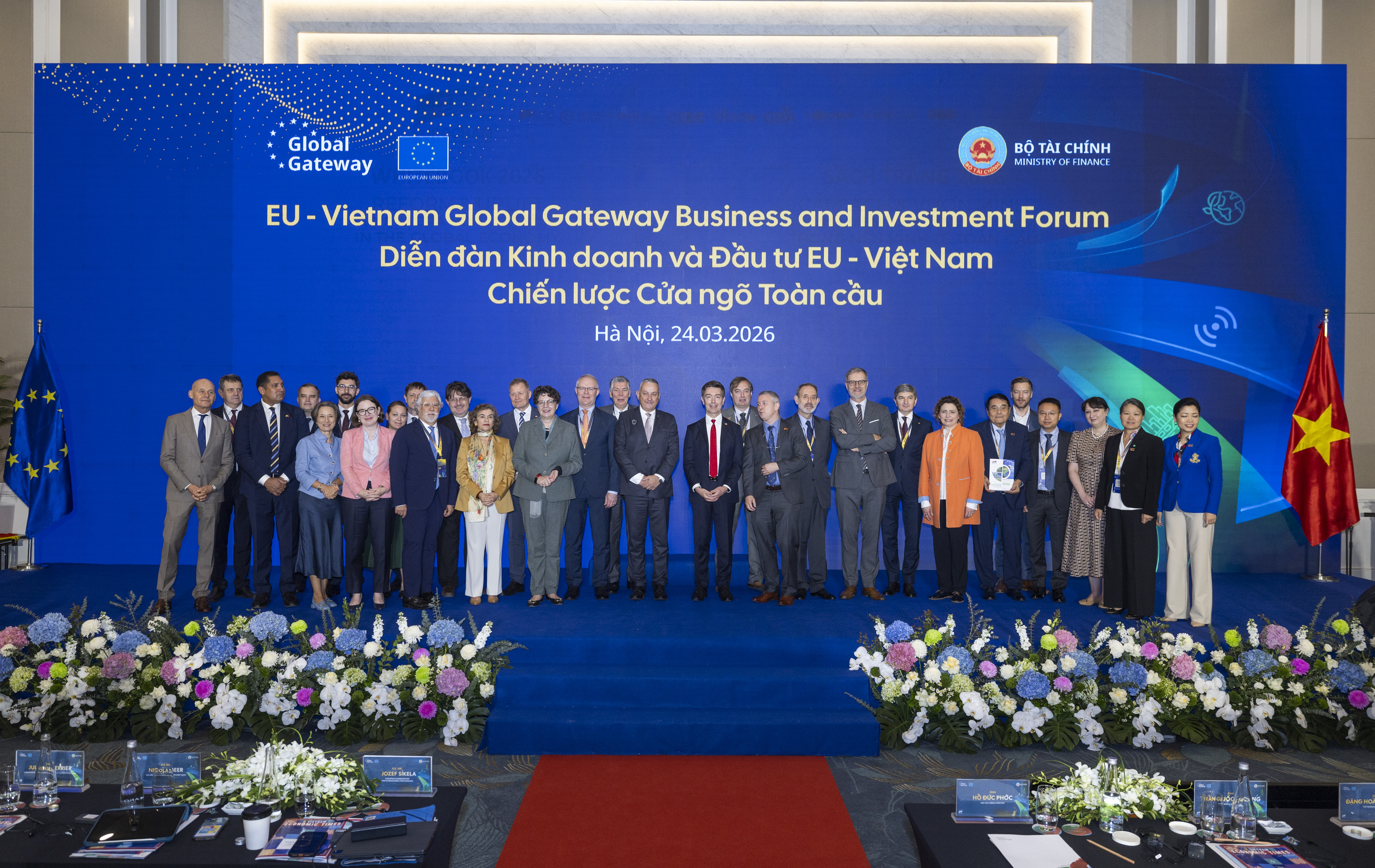
The EU–Vietnam Global Gateway Business and Investment Forum opened in Hanoi on March 24, bringing together policymakers, financiers, and business leaders from both sides to advance cooperation and unlock new investment opportunities in sustainable development.
Held under the theme “Investing together in a sustainable future,” the Forum gathered around 500 delegates, including Vietnamese Deputy Prime Minister Ho Duc Phoc, representatives from the European Union, Vietnamese government agencies, international financial institutions, and leading corporations.
The event comes shortly after Vietnam and the EU upgraded their relationship to a Comprehensive Strategic Partnership, marking a new phase of deeper economic and political engagement.
Co-organized by the EU Delegation to Vietnam, the Foreign Investment Agency under the Ministry of Finance, and the European Chamber of Commerce in Vietnam (EuroCham), the Forum aims to bridge policy dialogue with practical business collaboration, with a focus on energy transition, sustainable transport, and green–digital transformation.
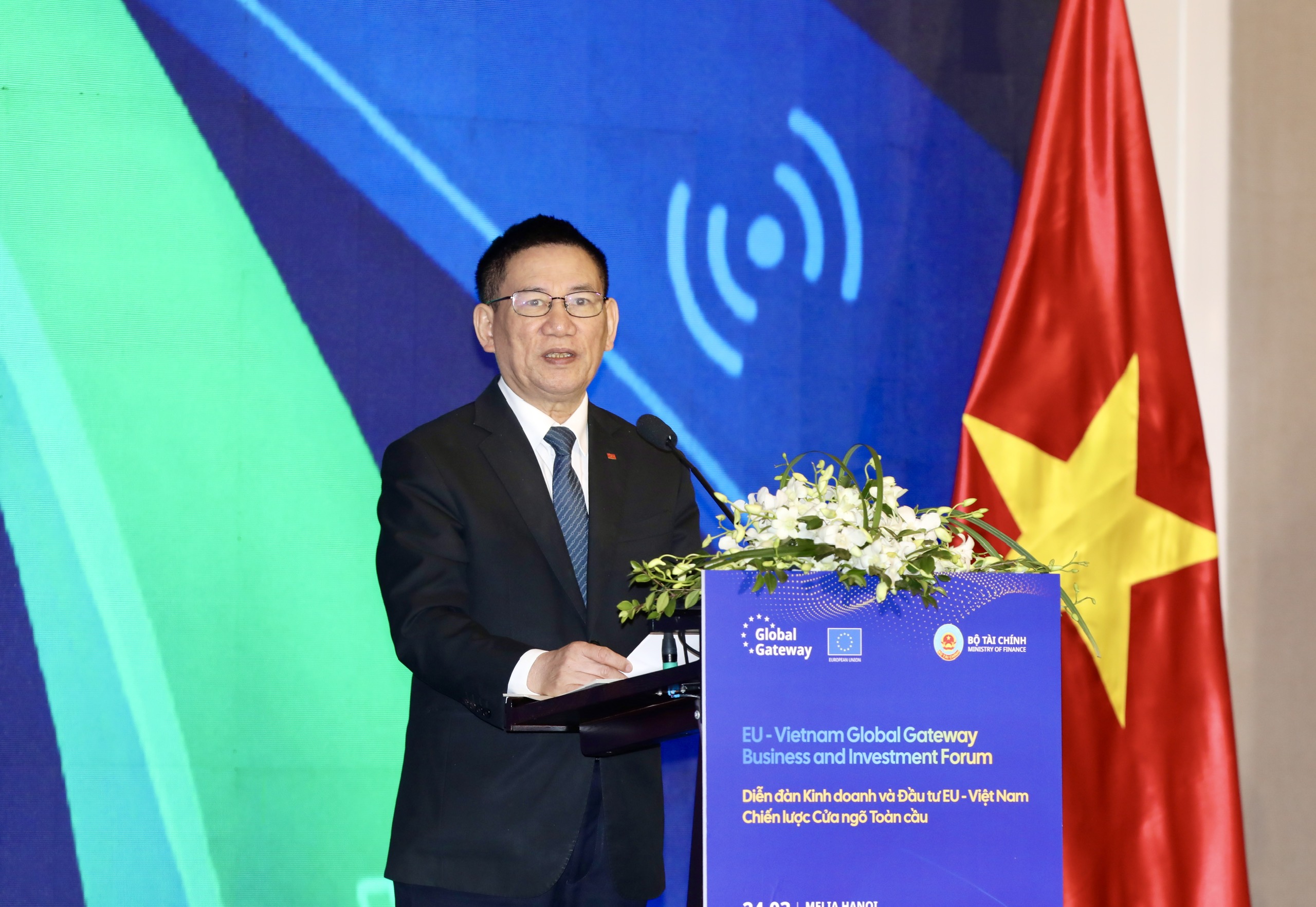
Addressing the event, Deputy Prime Minister Ho Duc Phoc reaffirmed the importance of the EU as a long-term partner, noting that cooperation between the two sides has developed strongly over more than three decades, supported by a growing network of agreements, particularly the EU–Vietnam Free Trade Agreement (EVFTA).
He highlighted the EU’s role as one of Vietnam’s leading economic partners, with increasing trade and investment flows and significant contributions from European businesses in areas such as innovation, green transition, and climate action.
Looking ahead, the Deputy Prime Minister called for enhanced cooperation in areas including green finance, technology transfer, high-quality investment, and new growth drivers such as the digital and circular economy. He also urged EU member states to accelerate the ratification of the EU–Vietnam Investment Protection Agreement (EVIPA) to strengthen investor confidence and the legal framework for bilateral investment.
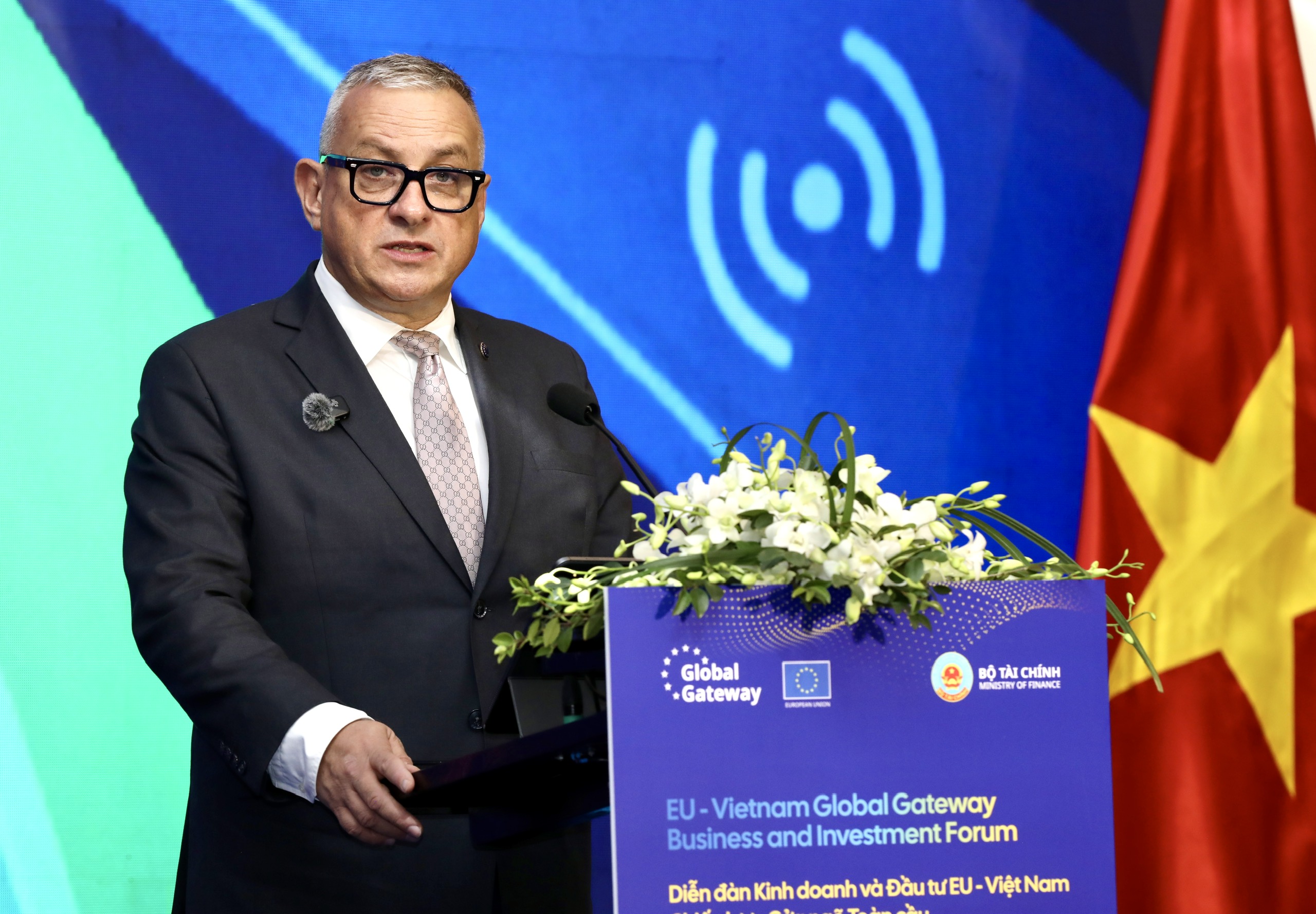
Speaking at the Forum, European Commissioner for International Partnerships Jozef Síkela underlined the shift from commitments to implementation.
“Earlier this year, we upgraded the relationship between Vietnam and the European Union to a Comprehensive Strategic Partnership. Today, we are turning this into concrete investments that support Vietnam’s growth,” he said.
At the center of the discussions was the announcement of a €560 million investment package by the EU to support Vietnam’s energy transition and economic development.
“We are launching a package of investments worth €560 million to support Vietnam’s energy transition and economic development,” Mr. Síkela said, noting that Vietnam’s next stage of development depends on reliable energy supply and the creation of quality jobs.
A key component of the package is the Bac Ai pumped-storage hydropower plant, a 1,200-megawatt project valued at around €900 million. The facility is expected to enhance grid stability and improve the reliability of renewable energy by storing electricity during periods of surplus and releasing it when demand rises.
In parallel, the EU introduced a €40 million Sustainable Transport Facility designed to mobilize more than €1 billion in investments in rail and urban transport. The initiative will support major infrastructure projects, including the planned Hanoi–Ho Chi Minh City high-speed railway.
“Europe has the experience, technology and companies to support this. This facility will help turn these plans into concrete projects,” Mr. Síkela said.
The Forum also highlighted efforts to expand access to sustainable finance. A €200 million financing agreement between the European Investment Bank (EIB) and Techcombank was announced to support Vietnamese private sector investments in renewable energy, energy efficiency, and clean transport.
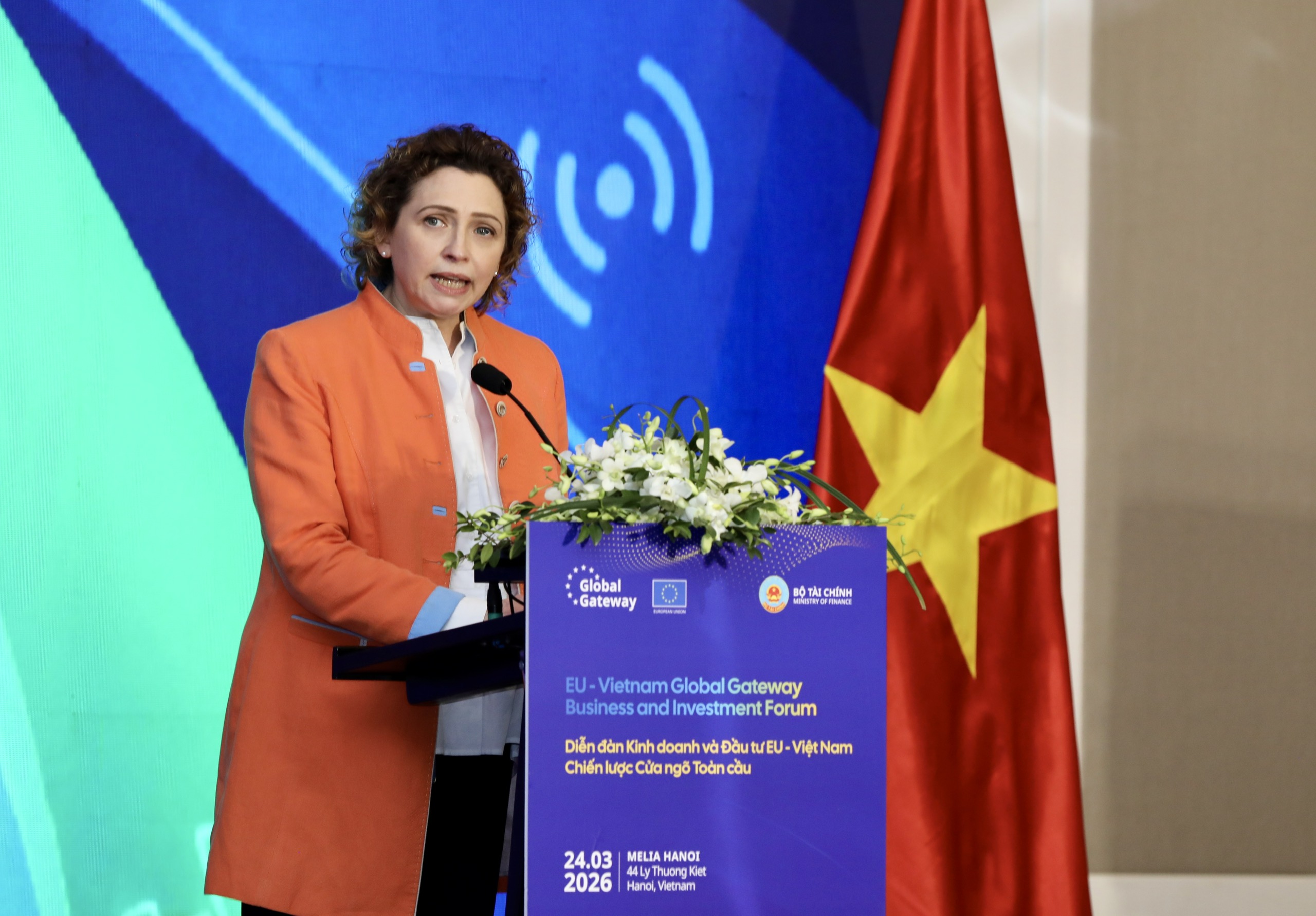
EIB Vice-President Nicola Beer stressed the importance of translating financial commitments into tangible outcomes. “As the financing arm of the European Union, the European Investment Bank is here to help turn this commitment into concrete investments on the ground,” she said. “These investments will deliver tangible benefits for citizens – cleaner air, more efficient energy use, better access to sustainable energy, and new opportunities for jobs and growth.”
She added that the EIB is also working with Vietnamese authorities on a €500 million framework loan to support energy transition efforts, particularly in grid infrastructure and transmission.
The Forum featured a series of thematic discussions on sectors seen as key drivers of Vietnam’s sustainable growth, including energy transition, transport infrastructure, and the integration of environmental, social, and governance (ESG) standards in investment and business practices.
Beyond policy dialogue, the Forum also served as a platform for announcing new business and investment deals between European and Vietnamese partners across sectors such as transport, logistics, digital health, and industrial development.
The event also marked the launch of EuroCham’s 2026 Whitebook, which provides policy recommendations aimed at improving Vietnam’s business environment and facilitating the effective implementation of major investment commitments.
Taking place under the EU’s Global Gateway strategy, the Forum reflects a broader effort to mobilize public and private capital for sustainable infrastructure, clean energy, and digital transformation. The initiative is expected to play a growing role in supporting Vietnam’s transition toward a low-carbon, resilient economy.
“These projects show how Global Gateway works in practice,” Mr. Síkela said. “For Vietnam, it means modern infrastructure, cleaner energy and new jobs. For Europe, it means stronger economic ties and new opportunities.”



 Google translate