


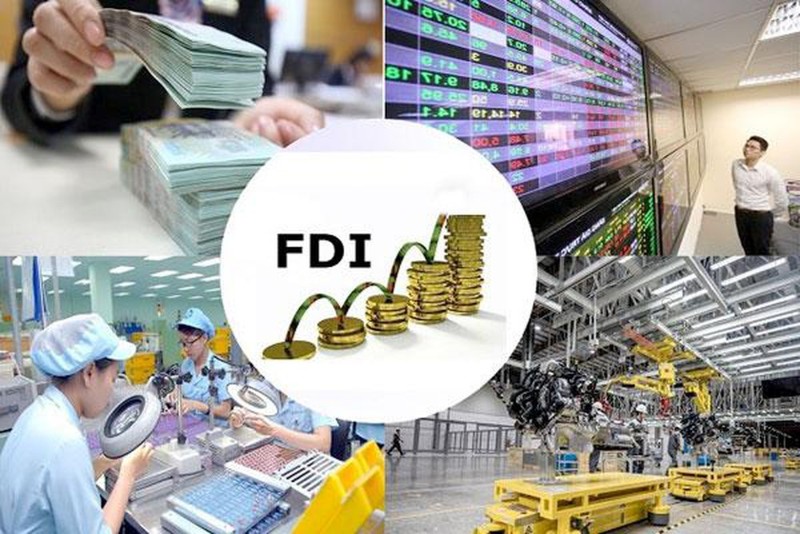
Ho Chi Minh City has attracted $17.2 billion in foreign direct investment (FDI) over the past nine months—a 4.2-fold increase compared to the same period last year, exceeding its full-year 2026 target by 56% to 60%. To sustain these impressive figures, the southern hub is ramping up infrastructure development and administrative reforms, reported Radio the Voice of Vietnam.
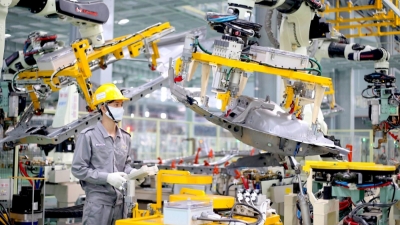
At present, FDI flows into the city are shifting decisively toward high-tech sectors, information technology, electronics and components, and large-scale industrial projects. A growing number of international enterprises are expanding into local industrial parks and high-tech complexes.
Over the past nine months, industrial parks (IPs) and export processing zones (EPZs) across the city pulled in nearly $5.7 billion, surpassing the 2026 annual target by 34% and posting a 32% year-on-year increase. Foreign direct investment accounted for the vast majority of this capital, surging 62.27% compared to the same period in 2025.
To welcome incoming investment waves, the Ho Chi Minh City Export Processing and Industrial Zones Authority (Hepza) is preparing clean land banks paired with integrated infrastructure. For the 2025–2030 period, Hepza is readying roughly 6,500 to 6,800 ha of fully serviced land. Alongside site preparation, the authority is aggressively cutting administrative red tape.
Deputy Head of Hepza, Mr. Tran Viet Ha, stated that the agency is reviewing and streamlining investment licensing procedures, establishing explicit timelines and departmental accountability at each stage to eliminate bureaucratic bottlenecks. Hepza is expanding digitalization and processing administrative tasks via online portals, promoting end-to-end digital paperwork to cut turnaround times and enhance convenience for investors.
"These specialized investment procedures apply across all EPZs, IPs, and high-tech parks in the city. Under the Investment Law, the guiding principle is reducing pre-approval checks and stepping up post-licensing audits. We guide investors from day one so they complete the proper protocols correctly right at the outset," Mr. Ha said.
The city has steadily pivoted its attraction strategy from sheer quantity to quality, prioritizing high-value segments such as advanced technology, green initiatives, and financial services.
"Under the Urban Development Law, which entered into force on October 1, the municipal administration is drafting incentive policies to attract, encourage, and support investors—particularly targeting sectors where the city actively seeks foreign capital. In tandem, the city is heavily investing in physical infrastructure to absorb capital inflows," said Deputy Director of the city Department of Finance, Mr. Quach Ngoc Tuan.
To capture the next generation of foreign investment, HCM City is assembling not only shovel-ready land and logistics infrastructure, but also a robust industrial ecosystem tailored to high-tech manufacturing standards. Accelerating administrative reforms and compressing project turnaround times will be key to sustaining high-grade capital inflows through the remainder of the year.

 Google translate