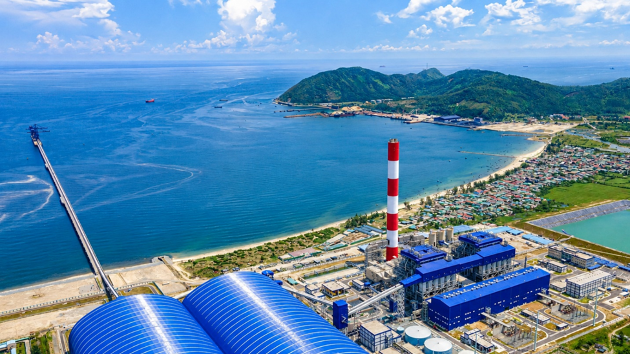
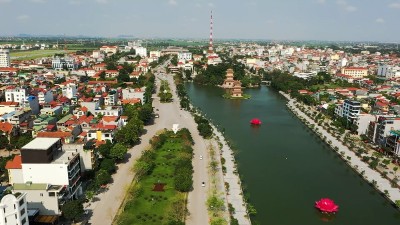
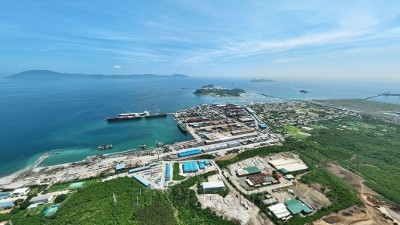
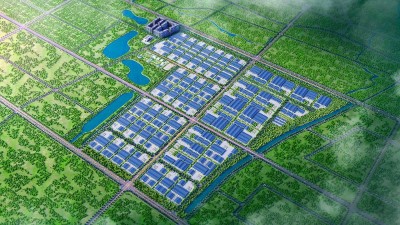
The program identifies transportation and strategic infrastructure as key drivers of urban expansion. Major proposals include the construction of Ninh Binh International Airport, a deep-water seaport within the Ninh Co Economic Zone, and railway stations.
The southern province has approved an investment program for 2027, giving priority to leading corporations in semiconductors, artificial intelligence (AI), data centres, international finance, biotechnology, clean energy, logistics and seaports.
Vietnam’s national AI transformation must be closely tied to building domestic AI industrial capacity, as application demand creates opportunities for enterprises to refine products while technological self-reliance ensures proactive deployment and continuous innovation.
There were a range of positive developments in Vietnam’s economy during the first ten months of 2026, including record trade, but structural challenges linger and must be confronted.
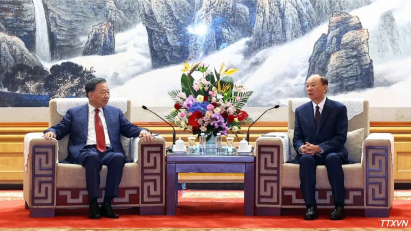
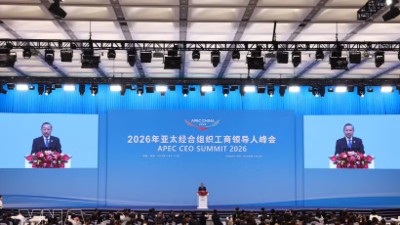
General Secretary and President To Lam proposed promoting connectivity between the Greater Bay Area and Vietnamese localities; strengthening production and supply chain integration; linking investment with technology transfer and human resource development.
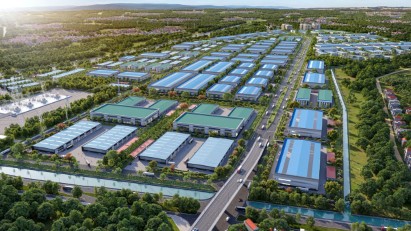
The move aims to make it easier for businesses, particularly SMEs, high-tech enterprises and innovative start-ups, to access premises for production and business activities.
Ensuring water security and information sharing is a crucial aspect of cooperation, both in bilateral relations and within the Mekong-Lancang framework.