


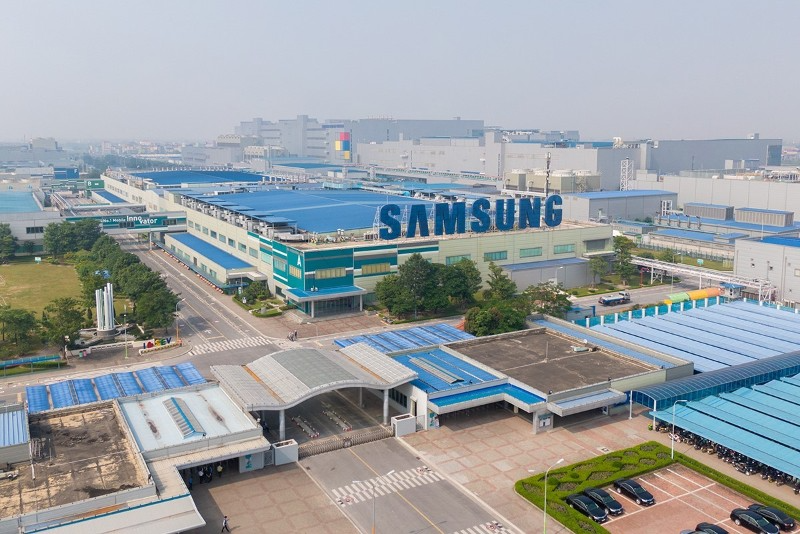
Newly registered FDI capital poured into the manufacturing sector in Vietnam' northern region in the first half of this year stood at $8.63 billion.
This figure accounts for 80.5 percent of the country’s total newly registered manufacturing FDI, reinforcing the region’s position as the primary destination for industrial investment in Vietnam.
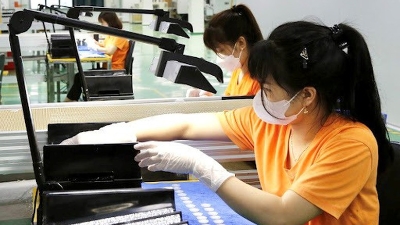
According to real estate services firm Savills Vietnam, the northern region recorded 274 new manufacturing projects in the first six months of the year, with electronics, semiconductors, and high-technology sectors leading the growth.
In addition to maintaining its top position in overall capital volume, the region witnessed a notable increase in large-scale mega-projects. This trend demonstrates a clear shift in investment capital toward higher value-added segments within the global manufacturing supply chain.
“Electronics and semiconductor capital continues to concentrate in northern Vietnam, driven by well-developed manufacturing ecosystems, modern infrastructure, skilled labor, and strong supplier networks,” noted Mr. John Campbell, Director and Head of Industrial Services at Savills Vietnam.
According to him, this robust structural foundation enables high-tech foreign investors to scale up operations seamlessly and deepen their integration into regional supply chains. The electronics sector alone accounted for nearly 66 percent of total newly registered manufacturing FDI capital nationwide.
Computers, electronics, and optical products emerged as the most attractive industry group for foreign investment since the beginning of the year, attracting over $7.03 billion in registered capital. This total represents nearly 66 percent of all newly registered manufacturing FDI capital across the entire country.
Despite recording only 65 new projects, the sector’s registered capital surged 614 percent year-on-year, driven by large-scale investments from multinationals in high-value segments like semiconductors, electronics, and precision engineering.
Looking ahead, the concentration of high-tech manufacturing projects in the north is expected to generate strong spillover effects across supporting industries, further enhancing Vietnam’s competitive edge in attracting premium foreign direct investment.
Furthermore, local governments across northern cities and provinces are actively enhancing local logistics capabilities, accelerating administrative reforms, and expanding clean energy access to meet the rigorous environmental standards set by international technology investors.
With its strategic proximity to major global supply networks and a solid industrial ecosystem, northern Vietnam is well-positioned to maintain its regional leadership in attracting high-quality manufacturing capital throughout the remainder of 2026 and beyond.





 Google translate