



Vietnam’s M&A market continues to record numerous deals of significant scale and value across a wide range of sectors, with real estate emerging as the leading force. With five major deals, the property sector reflects a strong ongoing trend of restructuring and asset transfers.
According to data from Grant Thornton Vietnam, the market saw 27 announced deals in the first two months of 2026, with a total estimated value of approximately $554.9 million. Specifically, January recorded 16 transactions worth $444.7 million, while February saw 11 deals totaling $110.2 million.
Transactions spanned various fields, including real estate, technology, consumer goods, food and beverages (F&B), healthcare, tourism and hospitality, and public utilities.
Real estate maintained its leading position with five deals, although only three had disclosed values, totaling approximately $392.7 million. These transactions primarily focused on the restructuring and transfer of component projects, mirroring broader investment trends and the reorganization of assets within the industry.
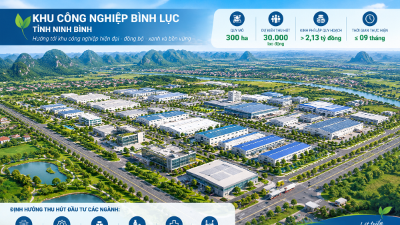
Beyond the residential segment, industrial real estate and logistics have also become prime destinations for M&A capital. JLL Vietnam noted that the rapid growth of e-commerce and supply chains is driving massive demand for warehouses, logistics centers, and industrial infrastructure.
Despite the dominance of real estate, the Vietnamese M&A market continues to offer attractive opportunities in other sectors, reflecting overall market vitality and a trend toward transaction diversification.
Grant Thornton experts observe that Vietnam entered 2026 with strong macroeconomic growth momentum, bolstered by resilient exports, sustained high levels of foreign direct investment (FDI), and large-scale infrastructure projects.
Furthermore, structural reforms implemented in 2025—particularly policy innovations aimed at fostering the private sector, increasing legal predictability, and enhancing financial transparency—are expected to significantly improve deal execution and solidify investor confidence.
The market outlook is further brightened by the modernization of capital markets, a resurgence in IPO activity, and the high expectation that FTSE will upgrade Vietnam to "emerging market" status in 2026. These factors are expanding exit channels and supporting valuation levels for M&A participants.
However, analysts caution that the market will remain selective. Strategic investors are expected to maintain their leading role in transaction activity, while financial investors are likely to continue a cautious and disciplined pace of capital deployment.







 Google translate