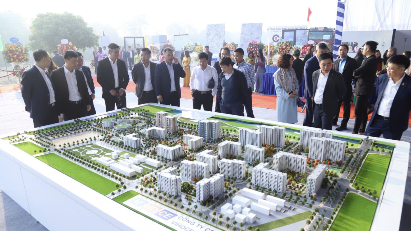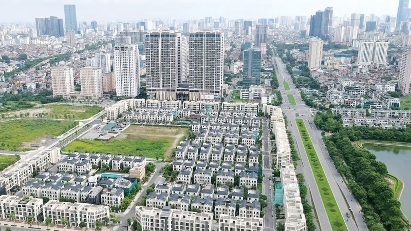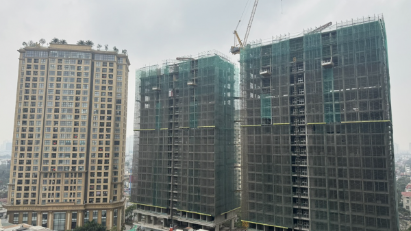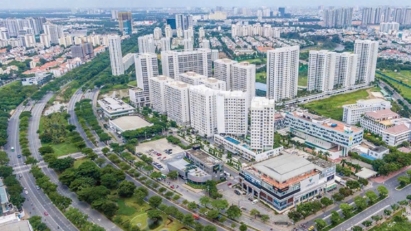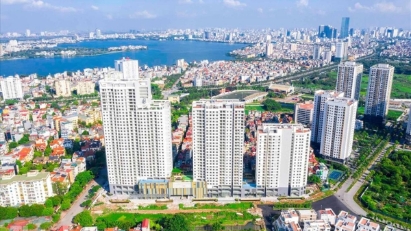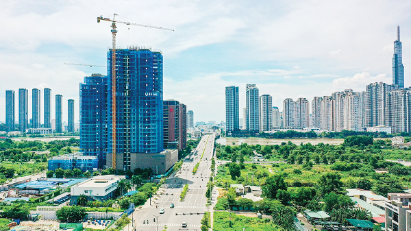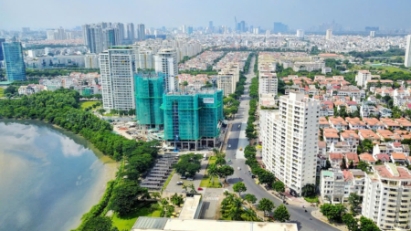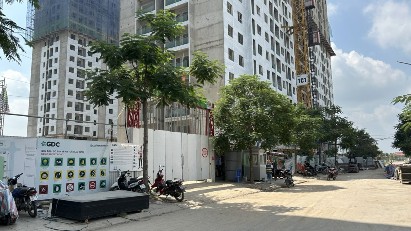
Vietnam’s residential real estate market is expected to see positive shifts in the second quarter of 2026, with new supply increasing significantly compared to the beginning of the year.
Dr. Nguyen Van Dinh, Chairman of VARS, emphasized that these standards serve not only as a benchmark for the entire market but also as a vital foundation for building trust with customers and society, ultimately dispelling long-standing negative prejudices against the brokerage industry.
The Ho Chi Minh City Apartment Management Association (HCMO) will serve as a vital bridge between businesses, residents, and state management agencies.
Forecasting the outlook for 2026, Vietcombank Securities (VCBS) noted that while real estate credit continues to grow as numerous projects enter the sales phase and accelerate construction—driving up demand for medium- and long-term capital—access to funding will not be as favorable as in previous years.
For 2026, market drivers are forecasted to remain centered on legal reforms, the need for land bank accumulation, and a shift toward high-transparency, sustainable projects, and diversified product portfolios.
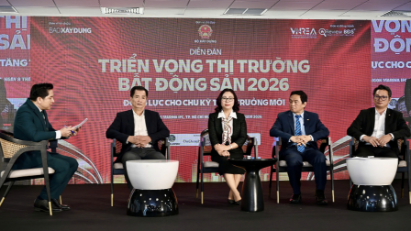
Deputy Minister of Construction Nguyen Van Sinh evaluates 2025 as a "foundation-building" year, while 2026 will mark a point when the real estate market officially enters a new growth cycle
By 2035, Vietnam's urbanization will hit 50%, equivalent to 51 million urban residents; and the middle class will comprise up to 75% of the population… all of which will drive a strong increase in demand for residential, commercial, hospitality, and healthcare properties.