


The Ministry of Industry and Trade has issued a Directive to strengthen rice production and exports while ensuring domestic market stability, in line with the Prime Minister’s recent instructions.
The directive calls for more flexible export management, greater transparency, and stricter oversight across production, trading, and export activities to support sustainable growth of the rice sector.
Under the plan, the Multilateral Trade Policy Department will help businesses better leverage free trade agreements (FTAs) and step up negotiations with the European Union and the United Kingdom to expand the list of rice varieties eligible for preferential tariffs. Authorities will also seek to utilise additional quotas under the CPTPP to boost exports.
The ministry's Foreign Market Development Department will direct trade offices abroad to monitor policy changes, provide market updates, and issue risk warnings, particularly amid geopolitical tensions affecting logistics and trade routes. Trade promotion efforts will be intensified to expand markets, combining traditional methods with digital platforms.
The ministry emphasized diversifying export markets and reducing reliance on traditional destinations, while targeting high-value and niche segments in the EU, the United States, and Northeast Asia.
At home, authorities will tighten inspections of rice trading and exports, curb fraud, and promote domestic consumption. Exporters are required to comply with regulations on reserves, quality, and reporting, while adopting risk management tools to cope with price and logistics volatility.
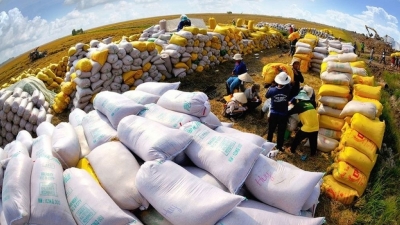
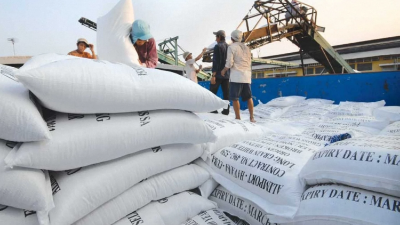
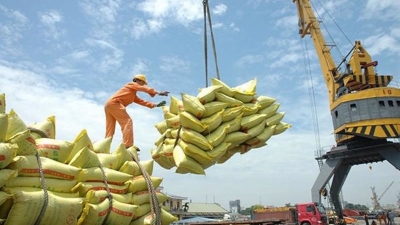
In the first two months of the year, Vietnam exported nearly 1.3 million tons of rice, up 3.5% year-on-year, though export value fell 12% to about $595 million.




 Google translate