


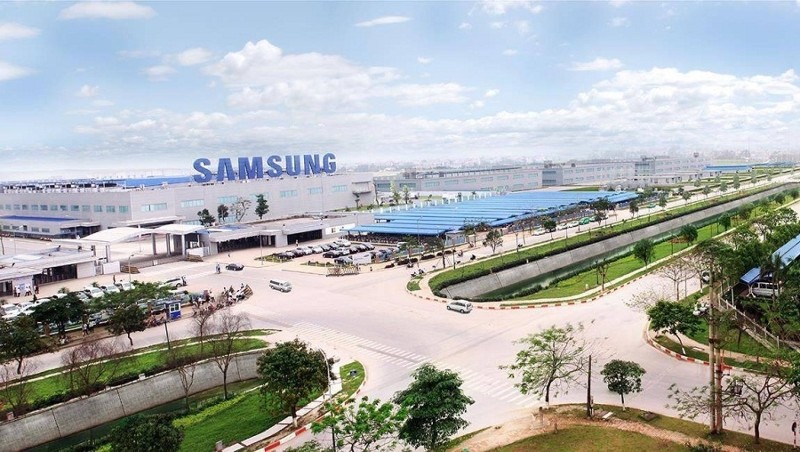
Northern Bac Ninh City aims to host at least 700 supporting industry enterprises by 2030, with roughly 60% of domestic firms meeting international management benchmarks to qualify as tier vendors for multinational corporations, reported the online newspaper of Radio the Voice of Vietnam (VOV).
Under the target, the city will annually support at least 20 enterprises to enhance operational competitiveness, host a minimum of two supply-demand matchmaking sessions, and finalize a comprehensive digital database tracking local supporting industries.
Under the newly-approved scheme for supporting industry development for 2026–2030 with a vision toward 2035, Bac Ninh will align supporting industry development with core manufacturing pillars, using the technical demand of multinational corporations and foreign direct investment (FDI) enterprises to drive targeted investment promotion.
The focus is to pivot from low-complexity contract assembly toward high-tech, high-value components, while accelerating digital transformation, green manufacturing, and smart factory practices to sharpen competitiveness.
Looking toward 2035, the city projects expanding the supporting enterprise network to 1,000 or more firms, with around 80% of domestic vendors adopting global management standards. This transition seeks to establish a cohesive supply network and strengthen domestic mastery over core industrial technologies.
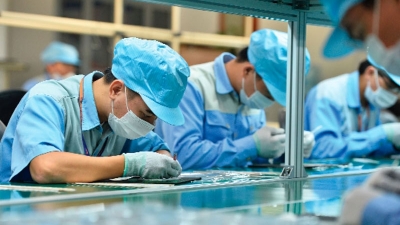
Electronics and semiconductor supporting industries
Through 2030, Bac Ninh will concentrate capital and policy resources on sectors with proven comparative advantages. Electronics and semiconductors represent the top priorities, aligned with the municipal strategy to anchor the city as a regional high-tech manufacturing center.
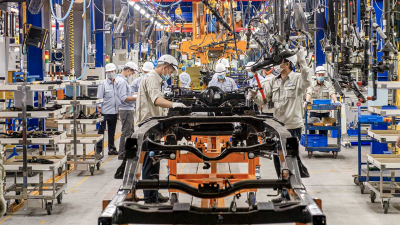
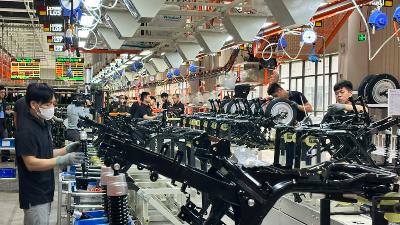
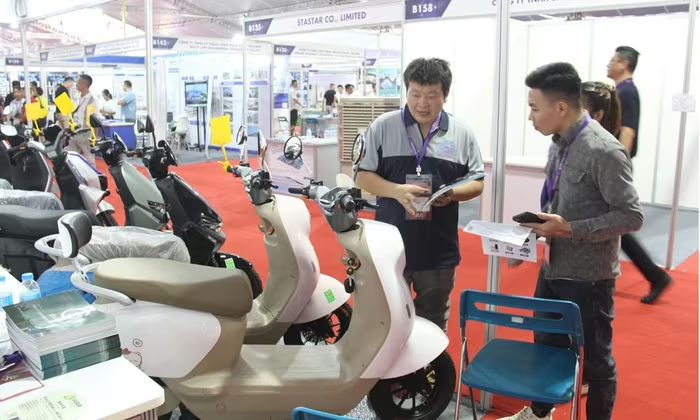
Additionally, the city will promote supporting segments for precision engineering, automation, automotive manufacturing and assembly—with an emphasis on electric vehicles (EVs) and smart mobility. The textiles, garments, and footwear sectors will also undergo selective upgrading toward green manufacturing and higher value capture.
To achieve these milestones, the city will deploy coordinated policy interventions across regulatory frameworks, industrial infrastructure, and enterprise capacity building. Notably, 5% of industrial land in industrial parks and manufacturing clusters will be reserved for high-tech ventures and small- and medium-sized enterprises (SMEs).
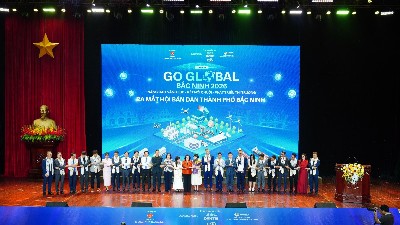
Direct B2B supplier-buyer matchmaking forums between domestic enterprises, global conglomerates, and FDI leaders will be expanded. These events are viewed as a key lever to integrate local suppliers into global value chains, enhance compliance with international standards, and leverage opportunities under next-generation free trade agreements (FTAs).


 Google translate