


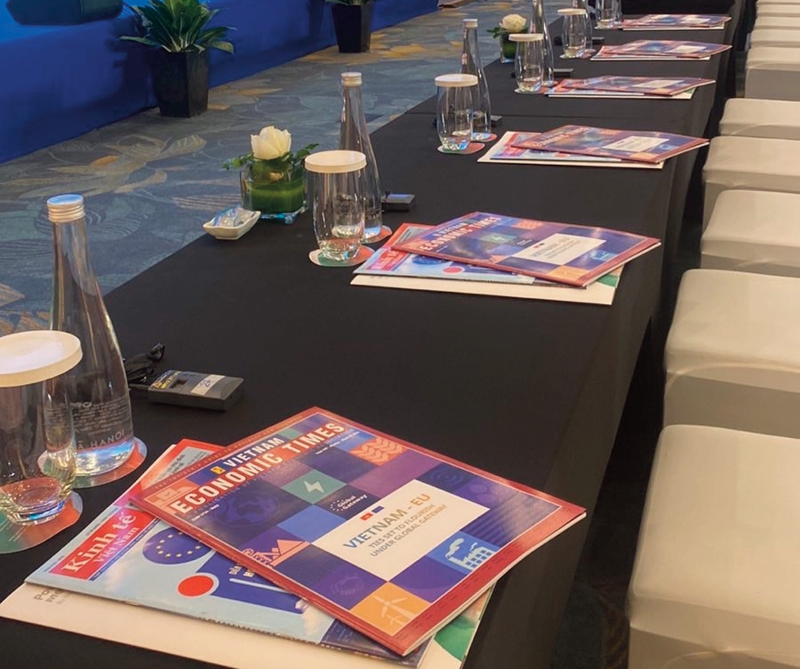
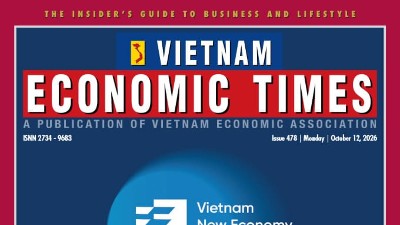
Vietnam Economic Times (VET), the flagship English-language publication of Tap chi Kinh te Viet Nam (formerly known as Thoi bao Kinh te Viet Nam), had humble beginnings in 1994. Today, it has grown into a trusted bridge between Vietnam’s economy and the international community, adapting through technological revolutions while preserving its core commitment to depth and quality.
Early years planting the seeds
VET launched its first issue on March 15, 1994, just a few years after Vietnam began accelerating its “Doi Moi” (Economic Renewal) reforms. Accompanied shortly afterward by The Guide - a monthly travel magazine aimed at international tourists - it filled a critical gap: providing in-depth, English-language coverage of Vietnam’s economic policies, investment climate, business activities, and socio-economic development to foreign readers, diplomats, investors, international organizations, and business communities.
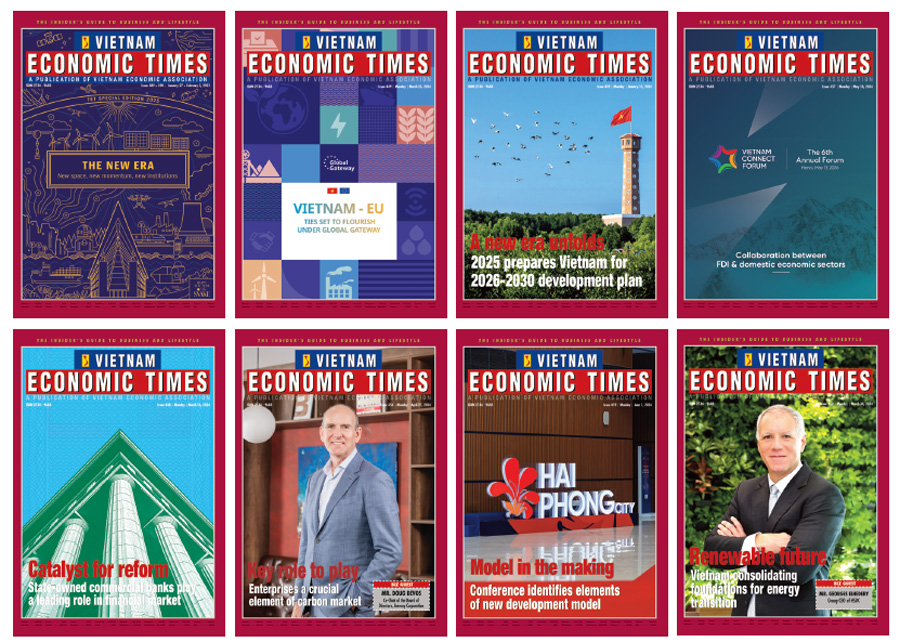
In its formative years, VET benefited from a strategic partnership with Ringier AG, a leading Swiss media group. This collaboration infused the newsroom with international journalistic standards while maintaining a distinctly Vietnamese perspective. One senior editor recalled the intense “dissection sessions” during Cover Story meetings, where teams debated concepts, headlines, photography, and structure with passion. Disagreements between Vietnamese and foreign colleagues were common but always constructive, focused on elevating quality rather than personal ego.
These rigorous processes forged a distinctive “VET quality” - articles that went far beyond news summaries. A truly “VET quality” article is one that combines depth with accessibility. It must deliver high-value information based on official data and up-to-date statistics, offer forward-looking perspectives, and provide maximum reference value for readers. VET articles go beyond merely describing events; they must analyze root causes, examine multi-dimensional impacts, place issues in an international comparative context, and offer practical recommendations.
To achieve this standard, VET’s Editorial Board has established implicit criteria that every reporter’s article must meet before publication.
First is a high level of intellectual content: reporters must thoroughly research the topic to provide exclusive insights. Articles must rely on official data and interviews with leading reputable experts. Next is balance and objectivity, achieved by interviewing three to five relevant stakeholders to combine perspectives from multiple angles. The article must also deliver clear added-value, helping readers find specific solutions for their businesses. Finally, VET’s language must be standard academic English with clear, sharp economic terminology.
Thanks to these standards, before official publication an article must go through at least three rigorous rounds of editing, covering content, language, and layouts. We embrace this meticulousness as a supreme principle to protect our brand.
A cornerstone of VET’s influence has been the Golden Dragon Awards, launched in 2001. To honor the contributions of foreign-invested enterprises (FIEs) in Vietnam, while also motivating the sector’s further development, VET cooperated with the Foreign Investment Agency under the Ministry of Planning and Investment (now the Ministry of Finance) to initiate the Awards program.
Over the past 25 years (2001-2026), with strong support from the FIE business community, VET has consistently maintained the annual program, delivering practical value through a wide range of meaningful activities for FIEs as well as policymakers and regulators. The program has recognized thousands of companies, strengthening VET’s reputation as a credible partner of the business community and creating lasting bridges between policymakers and investors.
Transformation in the digital age
As the digital era brought significant changes, an online publication of VET - VnEconomy - was launched in November 2014, marking the organization’s entry into online publishing.
By late 2020, the parent company Thoi bao Kinh te Viet Nam had transitioned into Tap chi Kinh te Viet Nam. The Guide ceased publication, but VET and VnEconomy continued as key platforms.
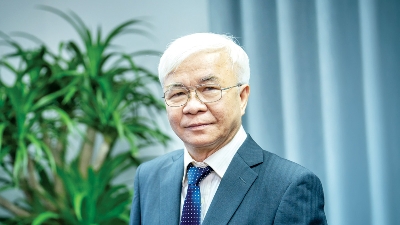
Under the leadership of the Chairman of the Editorial Board Dr. Chu Van Lam and General Director Mr. Dao Quang Binh, the organization restructured while maintaining its mission. VET’s role expanded beyond traditional publishing to include high-profile forums, seminars, and dialogues on topics like economic scenarios, growth strategies, and sustainable development. These events, often livestreamed, became vital spaces for interaction among policymakers, experts, diplomats, and businesses.
The most dramatic recent transformation occurred in May 2024, when VET shifted from monthly to weekly publication - without additional staff. This change responded to demands for faster, more frequent analysis amid Vietnam’s deepening global integration.
This transition from a monthly to a weekly magazine was a major milestone, allowing VET to keep pace with readers’ demand for faster information updates in the new era. However, it also posed a difficult challenge for the Editorial Board: maintaining a high-level of intellectual content with analytical articles while meeting the rapid publication rhythm of a weekly newspaper.
The core solution implemented was a comprehensive, scientific, and optimized reorganization of the entire content production process. We created a clear editorial calendar that prioritizes time for in-depth analyses in the Cover Story section, while also allocating time for regular columns and data visualization features. In terms of personnel, the newsroom flexibly combines in-depth reporting from specialized desks with VET’s dedicated English-language writing team.
To suit the weekly format, we maintain intellectual depth through long-form articles while enhancing practicality and visual appeal by incorporating sidebars with expert opinions, charts, and illustrative graphs.
To balance VET’s quality - with in-depth, data-driven, balanced, and forward-looking analysis - while accelerating production weekly, articles now undergo multiple rigorous editing rounds, combining deep reporting with visual elements like charts and expert quotes. The focus remains on high-value content covering environmental, social, and governance (ESG) practices, free trade agreements, FDI flows, supply chains, and green transformation, to name just a few topics.
Thanks to this arrangement, we preserved VET’s distinctive in-depth analytical identity while publishing and distributing every Monday to best meet readers’ needs.
Central to this evolution is Askonomy, VET’s proprietary AI platform. Rather than replacing human expertise, it acts as an intelligent collaborator. It excels at context-aware translation of specialized economic content, fact-checking, data summarization, and structural suggestions. This has dramatically improved efficiency, especially for the increased weekly output.
Looking forward
The journey of more than 30 years of creativity and development at VET has merged with the joy of celebrating the 35th anniversary of Tap chi Kinh te Viet Nam. Looking forward, VET’s spirit will be maintained under three words: Specialized, Flexible, and Pioneering.
Specialized is the anchor of VET’s positioning. We have consistently maintained the identity of articles and research with high intellectual content, using official and reliable data as reference value for readers. Flexible is the ability to adapt quickly to all changes in the times, enabling us to transform powerfully from a monthly to a weekly publication, from print to digital, and from traditional to multi-platform. And Pioneering is the core spirit that allows VET to proudly lead the digital transformation of economic and external affairs journalism in Vietnam through PDF editions, the AI Askonomy application, and the creation of multi-layered interactive journalism products.
These three words reflect VET’s continuous journey of self-renewal. We never cease breaking through or creating, yet we have never strayed from our core values. We always uphold the mission and operating principles of Tap chi Kinh te Viet Nam: Authentic Perspectives - Positive Thinking - Practical Solutions.
Entering a new chapter, VET will continue to keep the flame of passion alive, carrying the mission of ceaseless innovation. VET is committed to maintaining the quality of VET’s content to serve our readers, accompany the business community, and make positive contributions to the sustainable development of the country in the new era.
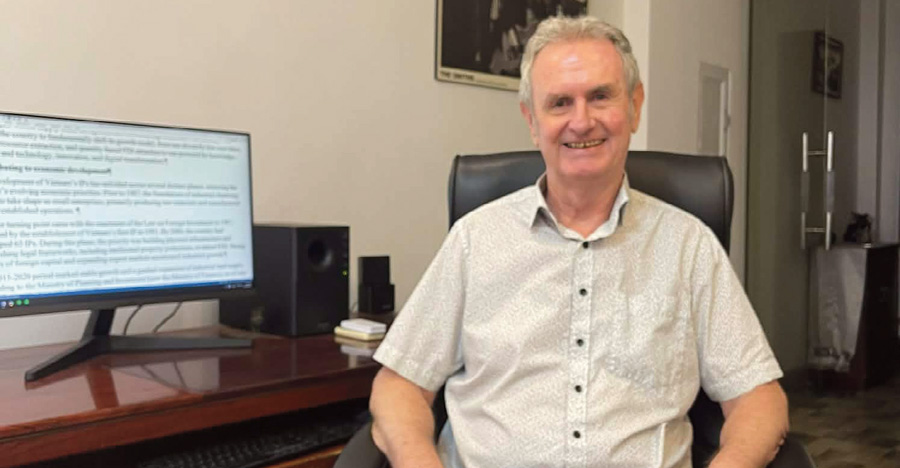
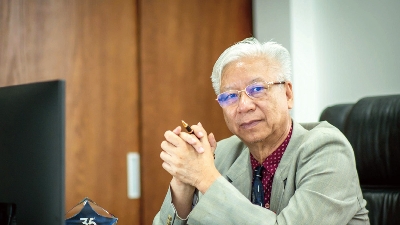
Mr. John Harding, English Language Editor at VET since 2004, shared his thoughts on the magazine’s journey
You have edited thousands of articles over the course of 22 years. How has the “language of Vietnamese economics” evolved from the early days of “Doi Moi” to the current focus on digital transformation and green growth?
As Vietnam has secured greater stature on the international stage over the years, I think there has been a greater focus internally on the country’s external relations and “place in the world.” In the early days I think discussions largely centered around what was happening within Vietnam’s borders, though regional and international elements were certainly taken into account. Economics is a broad discipline that is constantly evolving, and with that comes new concepts and ideas that will naturally be reflected in the “language of Vietnamese economics” as the country keeps pace with local and global events.
I think VET also became able, on behalf of the business community, to more readily identify areas where policies and programs have perhaps not delivered what was intended. The government clearly wants to know what companies think about Vietnam’s business environment, and VET’s role in this exchange has grown over time.
You have witnessed the transition from paper printing to the era of AI and Askonomy. How do you view this technological shift?
From my very first days in Vietnam, I would hear colleagues and friends talk about the development of translation software. I would nod and comment about what a game-changer that would be, but my real opinion was “It will never happen.” No software could catch the nuance involved in translation.
But it did happen. The Asko Platform’s suite of features was unimaginable even a decade ago. Of course, I ask myself where that leaves me - an imperfect human being competing with the latest in technology. But I think that for most tasks that become automated or rely heavily on technology, there will always remain a place for the “human touch”. I can’t imagine, for example, a time when we could simply put a Vietnamese-language article through the translation software and then just accept what comes out. It will always need a person to read through it and confirm its accuracy.
I think the question of whether AI is a positive or negative will take years to answer. And “positive” or “negative” for who? But it has arrived, and now the task is to monitor its development and influence and make changes as appropriate. AI itself is also imperfect, and no doubt always will be to some extent. I don’t believe the robots will take over the world!
VET’s transition from a monthly to a weekly publication has increased the pressure of deadlines four-fold. How has the Asko Platform been your “secret weapon” in maintaining high-speed production without compromising the sophisticated English standards VET is known for?
It would not be possible to publish VET weekly without the Asko Platform. The Platform’s English translation makes it much easier for me to edit and finish an article. With 20 or more articles being published each week, and hence 80 or more a month, better English makes a huge difference in my job given the time limitations. The Platform really is the “secret weapon” that allows us to publish weekly.
THE EVOLUTION OF VET MEDIA:
Crafting a visual identity along VET’s journey
Thirty-five years ago, when the first issue of Thoi bao Kinh te Viet Nam - the parent organization of VET - was published, newspaper design was a painstaking craft reliant almost entirely upon human hands and limited tools. Today, the publication - now known as Tap chi Kinh te Viet Nam - has transformed into a sophisticated multi-platform media ecosystem encompassing print magazines, digital publications, video content, and major national economic forums.
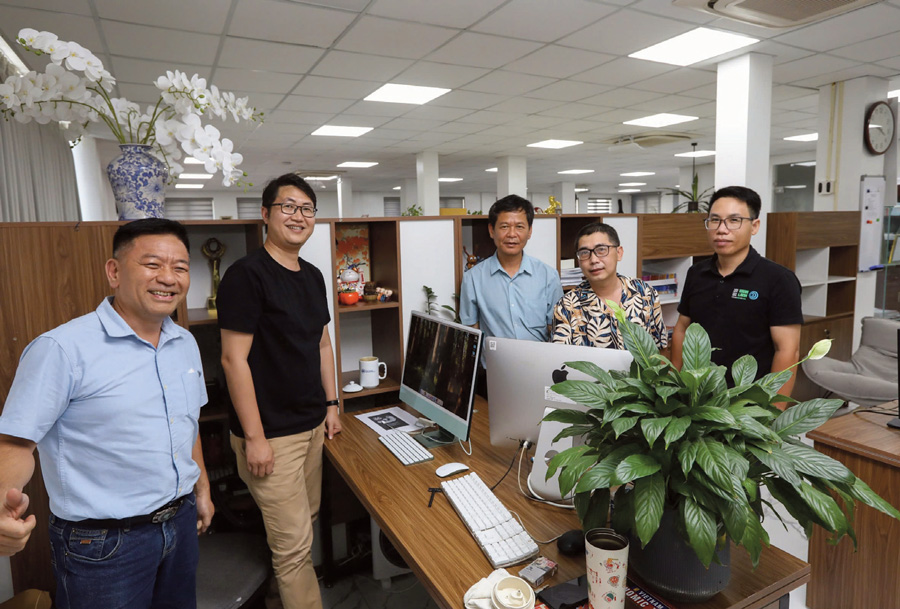
At the heart of this evolution stands the VET Media team, who work behind the scenes shaping every page, publication, event, and digital experience. Their role has grown from simple layout to strategic brand-building. Those designers create the distinctive visual language that defines one of Vietnam’s leading economic magazines.
Mr. Vu Ngoc Minh and Mr. Vu Van Tuan joined the newsroom in 1995, when technology was rudimentary. “We printed content on tracing paper, manually pasted layouts, then exposed them to create printing plates,” they recalled. Even simple economic charts required hours in CorelDraw. Publications featured limited color, making design both an aesthetic and technical challenge to meet tight printing deadlines.
Over three decades, they witnessed profound changes: from a weekly to a daily newspaper, and in 2021 a shift to a specialized weekly magazine. Software evolved from basic tools to Photoshop, InDesign, Illustrator, and now AI. Yet they emphasized that the biggest shift is in mindset. “Previously, designers focused on clarity,” they agreed. “Today, we must make content more engaging, accessible, and immersive.” Technology saves time and expands creativity, but the human element remains irreplaceable.
Mr. Nguyen Thai Dung, who joined in 2008, represents the new generation. He took over designing VET in 2009. Designing for a global audience demanded higher standards of professionalism and the masterful use of white space, imagery, and information hierarchy, while preserving a Vietnamese identity. “International readers evaluate professionalism through visual details,” he said. “Design must feel modern yet authentically reflect Vietnam’s economic spirit.”
His most significant impact lies in the visual identity of major national economic forums on green growth, innovation, foreign investment, and macro-economic policy organized by VET. These events require comprehensive branding systems: invitations, websites, stage backdrops, videos, and social media assets.
The 35-year journey of Tap chi Kinh te Viet Nam and more than 30 years of VET reflects continuous innovation. While content is the soul of journalism, design serves as the vital bridge connecting that content to readers. VET Media now acts as the creative nucleus for the entire ecosystem - print, digital, multimedia, and events - establishing a unified yet distinctive visual standard.




 Google translate