


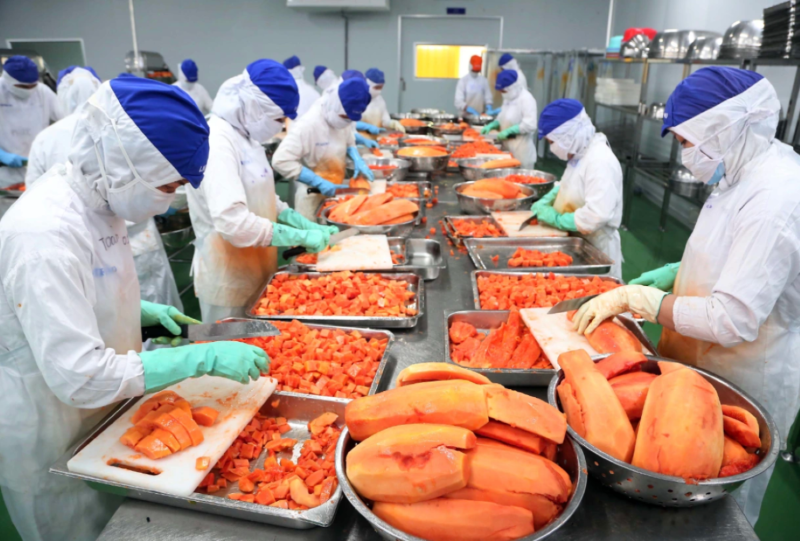
Vietnam’s fruit and vegetable industry has entered 2026 with a remarkably positive outlook. According to data from Vietnam Customs, export turnover for fruits and vegetables in January 2026 reached over $644 million, a staggering 72.9% increase compared to the same period in 2025.
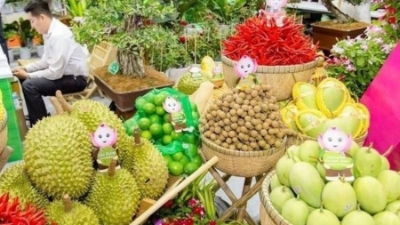
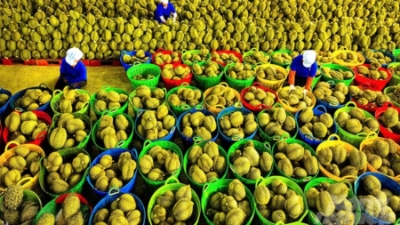
In terms of market structure, China continues to be the largest partner for Vietnamese produce. Specifically, in January 2026, export turnover to this market reached nearly $376 million, up 117.6% year-on-year, accounting for 58.31% of the industry's total export value. Key export items include durian, bananas, dragon fruit, mangoes, and coconuts.
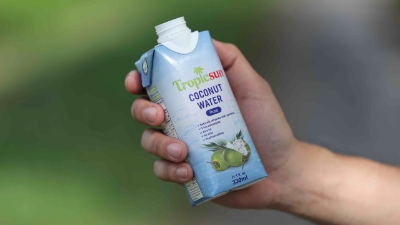
Following China, the United States ranked as the second-largest market, with a turnover of approximately $48.54 million, up 56.1% compared to January 2025. Exports to the US primarily consist of processed fruit and vegetable products and specialty fruits such as pomelo and coconut. This result reflects a growing trend in the export structure toward high-value-added products.
In the EU market, processed vegetables and fruit juices continue to hold a dominant position. Although growth was not as explosive as in the Chinese market, exports to the EU maintained a stable upward trend. This demonstrates the ability of Vietnamese enterprises to adapt and upgrade their quality standards to meet stringent international requirements.
According to Mr. Dang Phuc Nguyen, General Secretary of the Vietnam Fruit and Vegetable Association (VINAFRUIT), "With the current growth momentum and active support from the Government in promoting double-digit economic growth, Vietnam's fruit and vegetable industry is expected to reach an export turnover of $9.5 to $10 billion in 2026."
Dr. Dinh Cao Khue, Vice Chairman of VINAFRUIT and Chairman of Dong Giao Food Export Joint Stock Company (Doveco), noted that while the industry previously relied on a few traditional markets and familiar products, it is now simultaneously consolidating old markets, breaking into demanding markets, and gradually conquering high-value-added segments.
This market shift is accompanied by a change in product structure. Supply chains are moving away from dependence on a few traditional items toward diversifying products, markets, and processing methods. According to Dr. Khue, this is not just a short-term positive signal but the foundation for a more sustainable development cycle for the industry.
Based on consumption trends in domestic and key international markets including Europe, the US, Japan, and South Korea, Dr. Khue believes there is still immense potential for Vietnam’s processed vegetables and high-quality products if they meet the right standards and consumer tastes.
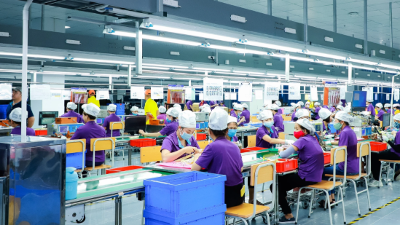
To achieve this, Dr. Khue proposed three developmental pillars: expanding and reorganizing raw material zones toward sustainability and strengthening supply chain links; investing heavily in deep processing to increase value; and proactively expanding markets and penetrating high-end segments. With the synchronized implementation of these solutions, the goal of pushing fruit and vegetable export turnover to 10–10–20 billion in the coming years is considered entirely feasible.




 Google translate