


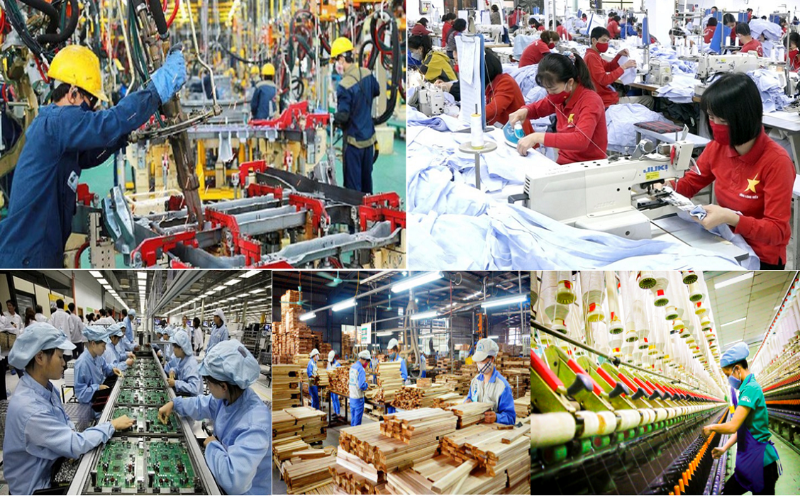
Geopolitical tensions in the Middle East are beginning to impact the production activities of numerous enterprises within Export Processing Zones (EPZs) and Industrial Parks (IPs) across Southern Vietnam. Several companies have been forced to recalibrate their production and delivery schedules to cope with surging logistics costs and rising raw material prices.
According to the Ho Chi Minh City Export Processing and Industrial Zones Authority (Hepza), the agency recently conducted a rapid survey to assess the impact of the Middle East situation on businesses operating within local and neighboring EPZs and IPs.
The results showed that among the 231 responding enterprises, several have begun recording initial impacts on their production and business operations.
Initial assessments indicated that while short-term impacts have not yet become widespread, businesses are concerned about greater risks in the medium and long term as global supply chains showed signs of disruption. Many enterprises reported that the supply of components and raw materials imported from the Middle East and Europe is under pressure due to maritime transport difficulties through the Strait of Hormuz.
To avoid geopolitical risks, some shipping routes have been forced to reroute around the Cape of Good Hope (South Africa), extending transit times by approximately 3 to 4 weeks compared to usual. This shift has led to a sharp increase in logistics costs and a potential shortage of raw materials for production.
In response to these fluctuations, 52 enterprises (accounting for 22.5% of those surveyed) have proactively adjusted their production plans to mitigate risks. Measures primarily include rescheduling production timelines, optimizing material inventories, and seeking alternative supply sources to counter rising fuel, logistics, and material costs.
Furthermore, the survey recorded 27 enterprises (11.7%) that have had to adjust their delivery schedules due to prolonged shipping times. According to business feedback, many shipments are currently delayed by more than 10 days, while logistics costs on certain international shipping routes have surged by over 30%.







 Google translate