


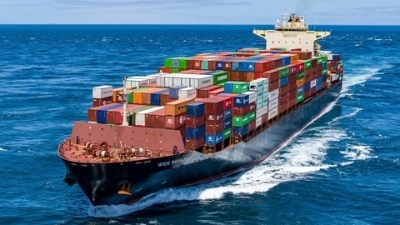
According to the US Energy Information Administration (EIA), some 20 million barrels of oil and condensate pass through the Strait of Hormuz each day, equivalent to nearly 20 per cent of global oil consumption and accounting for more than 25 per cent of total seaborne oil trade. Notably, 84 per cent of these flows are destined for Asian markets, making the region particularly vulnerable when conflicts erupt.
The Middle East has long been described as the “heart” of the global oil industry, while the Strait of Hormuz functions as a vital “artery” for global energy flows. The conflict involving the US, Israel, and Iran that began on February 28 has, unfortunately, resulted in severe disruptions to shipping through the Strait.
While major crude oil and petroleum product exporters such as Saudi Arabia and the UAE operate pipeline networks that bypass the Strait, their combined capacity is estimated at just 2.6 million barrels a day; insufficient to compensate for disrupted maritime transport. Transport disruptions could substantially increase oil price premiums, logistics costs, and maritime insurance fees, while also affecting supply stability for refineries across Asia.
Direct pressure
Global fuel price movements during the regulatory cycle from late February to early March illustrate the volatility of the market. According to the Ministry of Industry and Trade (MoIT), the price of RON95 gasoline reached $92.78 a barrel on March 2, up $10.69, or 13.02 per cent, compared to February 27; the day before the conflict began. Even more striking was the surge in kerosene prices, which jumped to $231.42 a barrel on March 4, up $101.19, or 77.7 per cent, in the space of just 24 hours.
Average global refined fuel prices between the two dates of price adjustments - February 26 and March 5 - also rose sharply across all product categories. In the domestic market, the March 5 fuel price adjustment reflected the impact of the global surge. Retail prices rose sharply, with E5RON92 gasoline increasing by VND1,926 per liter ($0.074) and RON95-III gasoline by VND2,189 ($0.084).
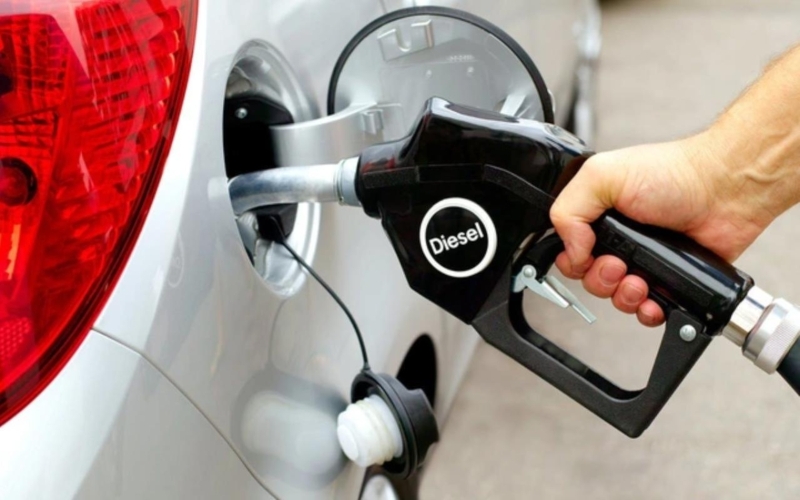
Oil products also saw significant increases. Diesel 0.05S rose by VND3,758 per liter ($0.145), mazut 180CST 3.5S by VND1,807 per kilogram ($0.069), and kerosene by VND7,132 per liter ($0.274).
The sharp rise in diesel prices is putting significant pressure on transportation and logistics costs, which serve as the backbone of the economy. As fuel costs increase, the ripple effects quickly spread to consumer goods prices, from food and agricultural products to essential services, directly affecting household spending.
Risk of supply disruptions
Beyond price volatility, the risk of supply disruptions is becoming increasingly evident. According to the Vietnam National Petroleum Group (Petrolimex), Asia’s crude oil supply remains heavily dependent on the Middle East. If shipping routes are altered or crude oil needs to be sourced outside of the region due to the conflict, crude oil could become both scarcer and more expensive, pushing refined fuel prices higher while tightening supply.
At the same time, rising insurance premiums and transportation costs would increase import costs and overall business expenses. In extreme circumstances, force majeure situations could prevent delivery under existing contracts.
Vietnam currently meets around 70-80 per cent of its domestic fuel demand through the Nghi Son Oil Refinery in north-central Thanh Hoa province and the Dung Quat Refinery in central Quang Ngai province. However, according to the Binh Son Refining and Petrochemical Joint Stock Company (BSR), the operator of Dung Quat, the plant still relies on around 30-35 per cent imported crude oil, primarily sourced from West Africa, the Mediterranean, the US, and, partly, the Middle East.
If tensions in the Middle East persist, crude prices, shipping surcharges, and insurance costs could rise further, significantly increasing input costs and financial risks.
Another potential risk is supply chain disruption, as some exporting countries may restrict exports to prioritize domestic demand amid volatile maritime transport and insurance markets. Longer delivery times could directly affect refinery operations, particularly late in the second quarter and early in the third.
To address these risks, BSR has proposed that relevant authorities and the Vietnam National Industry and Energy Group (PetroVietnam) consider mechanisms allowing the company to prioritize purchases of domestically-produced crude oil and condensate. Regulators are also urged to temporarily prioritize domestic crude supply for Dung Quat and restrict crude exports during the high-risk period, potentially until the end of the third quarter this year or until global markets stabilize, to ensure national energy security.
To guarantee sufficient feedstock for operations from May to June, BSR also proposed directly purchasing crude from Vietnam’s Ruby and Chim Sao oil fields and Malaysia’s Bunga Orkid (BO) oil field at the highest bid price from the most recent tender, as a temporary measure to secure supply amid market volatility.
Coordinated measures
Given the complex international developments, the Domestic Markets Department at MoIT issued Official Dispatch No. 544/TTTN-NV on March 3. The document requests that municipal and provincial Departments of Industry and Trade instruct local market surveillance forces to strengthen inspections of fuel trading activities nationwide.
It emphasizes focused inspections, particularly targeting major fuel distributors and retail outlets. Violations such as unauthorized price increases, selling above listed prices, or trading smuggled or substandard fuel will face the strictest penalties.
To enhance enforcement effectiveness, the department also requires clear accountability from the heads of local market management agencies if violations occur without timely intervention. Such measures aim to ensure that, despite global price volatility, the domestic market operates transparently while protecting consumers and maintaining economic stability.
However, some experts note that these measures remain largely short-term responses. In the long run, Vietnam needs a strategic petroleum reserve capable of significantly reducing cost shocks when the market experiences rapid price surges.
The government has also been urged to develop official forecasting scenarios based on worst-case oil price assumptions. Preparing such scenarios would allow regulators to respond more proactively during periods of extreme volatility and provide a basis for decisions on reserves, market intervention, and maintaining public confidence.
For the oil sector, a long-term reserve strategy combined with instruments such as forward purchasing agreements and futures contracts should be seriously considered.
At the same time, Vietnam needs to diversify its energy sources and reduce reliance on imports from high-risk regions. The current crisis could also serve as an opportunity to accelerate the transition towards cleaner and alternative energy sources, helping ease cost pressures while aligning with long-term global trends.
From the corporate perspective, PetroVietnam and its subsidiaries, including Petrolimex and the PetroVietnam Oil Corporation (PVOIL), emphasize the need for greater policy flexibility.
Businesses have proposed that the State Bank of Vietnam ensure timely foreign currency availability to support fuel imports when demand and prices surge. In addition, fuel price management regulations should be reviewed to ensure that pricing mechanisms fully account for real costs, including transportation surcharges and war-risk insurance. This would help major fuel importers maintain sufficient financial capacity to continue operations and prevent localized supply disruptions.








 Google translate