Vietnam’s social structure is becoming increasingly differentiated as its economy expands and modernizes, presenting both opportunities and challenges for inclusive development.
The challenge for Vietnam right now is to both achieve its goal of joining the group of middle- and high-income countries and meet its emissions reduction commitments. To overcome the challenge, it needs a more specific and drastic plan, taking advantage of resources from the non-State sector and ensuring the rights of people affected by a green transition.
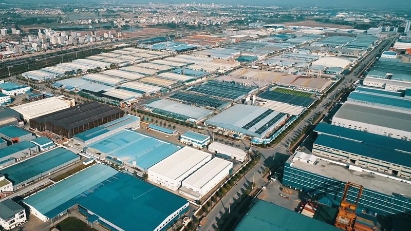
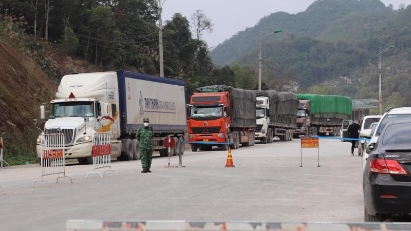
The government issued a Resolution on economic development in land border areas on March 2, with local socio-economic infrastructure to be gradually completed in a synchronous, interconnected, comprehensive, and modern manner. Vietnam has established 26 border gate economic zones on its borders with Laos, Cambodia, and China, as well as 267 industrial clusters in border areas.
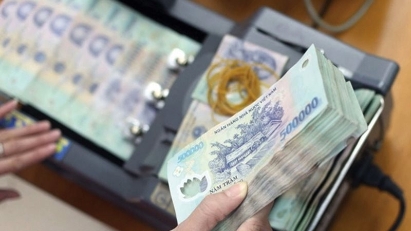
Vietnam appears to be recovering quite slowly from the pandemic, and without a sufficiently large support package will fall behind. Many economists have therefore proposed economic support packages for 2022 and 2023 totaling VND445.76 trillion ($19.5 billion), or nearly 5.5 per cent of GDP.
At the “Impacts of the Covid-19 pandemic on the economy and options for Vietnam” webinar, organized recently by the International Society of Vietnam Economists (ISVE), analysts said that the country must choose between economic damage now or in the future.