In terms of market regions, Asia remained the largest destination for Vietnam's agro-forestry-fishery products, accounting for 45.1% of the total market share.
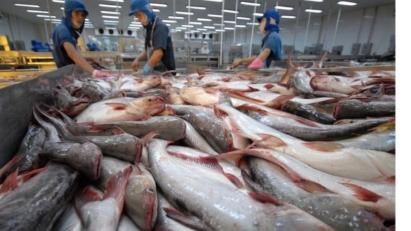
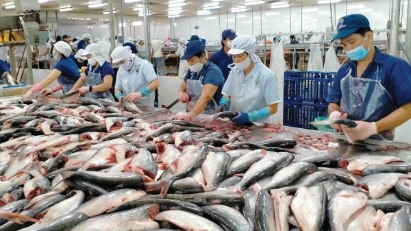
Given that the Middle East offers relatively healthy profit margins for pangasius and certain value-added product lines, the sharp rise in logistics costs could fundamentally alter the profit structure of the entire supply chain.
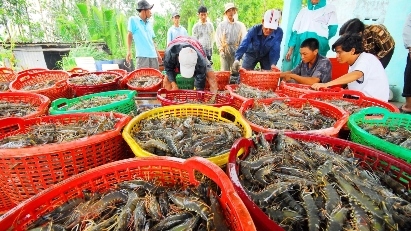
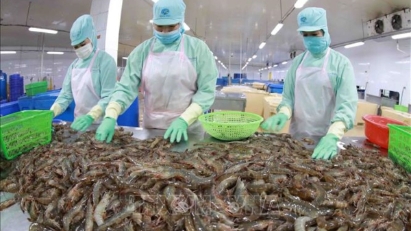
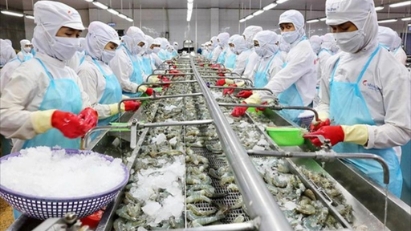
Amid intensifying competition, experts suggest that the most viable path for Vietnamese shrimp exporters is to increase the proportion of deep-processed products, reduce reliance on frozen raw shrimp, and maximize tariff preferences provided by the EVFTA.
With an export volume of 24,067 tons, accounting for approximately 34.5% of the market share in China, Vietnam has risen to the top position in green lobster exports to this market.
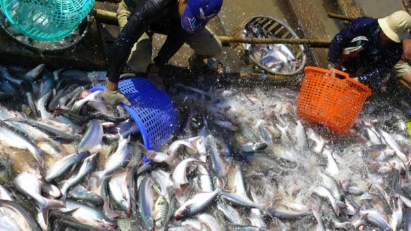
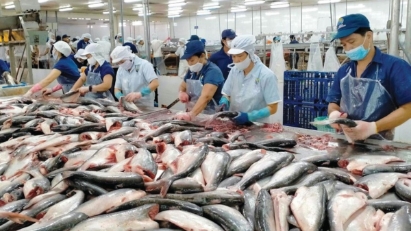
A strong recovery in demand from China, ASEAN, and Japan has propelled pangasius to the top of the seafood growth charts, continuing the upward momentum seen in 2025.
Exports to CPTPP markets, mainland China, Hong Kong (China), the EU, and Brazil increased strongly, while the US market saw a slight decline of nearly 5%.
According to the Vietnam Association of Seafood Exporters and Producers (VASEP), the country's seafood exports reached $9.5 billion, marking a 16% increase compared to the same period in 2024.