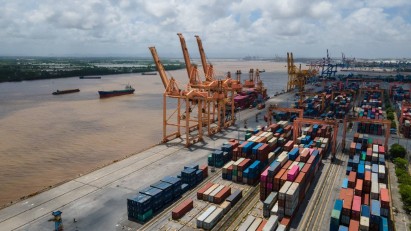
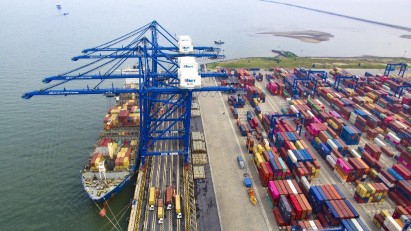
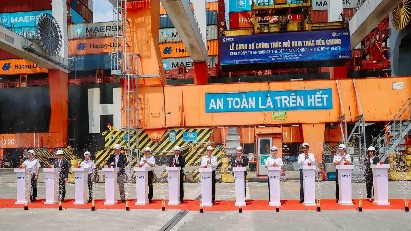
The two Vietnamese ports handled approximately 17.2 million TEUs in 2025, highlighting their importance to the country’s international trade and logistics network.
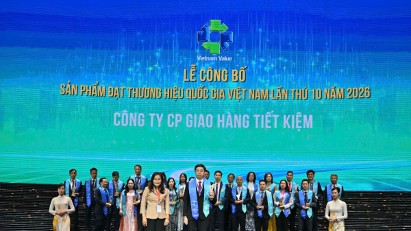
The programme targets businesses with promising products that have established domestic online sales and are seeking to expand their operations globally.
The 227 businesses recognised this year collectively hold nearly 5,700 trademarks, patents and utility solutions, along with more than 2,400 international certificates and standards.
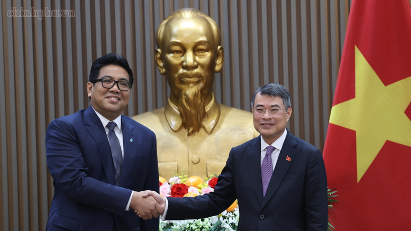
Prime Minister Le Minh Hung affirmed that the Government of Vietnam supports Malaysia's national oil and gas company (PETRONAS) in expanding investment, cooperation in oil and gas exploration, developing energy projects, and connecting the power grids between Vietnam, Malaysia, and Singapore.
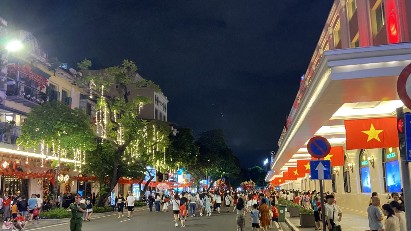
Close relationship between tourism development and the domestic market plays impotant role in expanding sales opportunities, increasing tourist spending and enhancing the value of Vietnamese products.
Under the model, the ports (in Ho Chi Minh City) link their infrastructure to create an integrated operating area rather than managing separate berthing zones.
Vietnam completed 170 housing projects with 46,962 units and commenced construction on 128 others with a total of 183,293 units from the beginning of 2026.
Since the beginning of this year, the southern city, which is located near Ho Chi Minh City, has continuously welcomed numerous corporations, businesses, and diplomatic representatives exploring investment opportunities, focusing on planning potential, infrastructure advantages, and industrial development orientation.