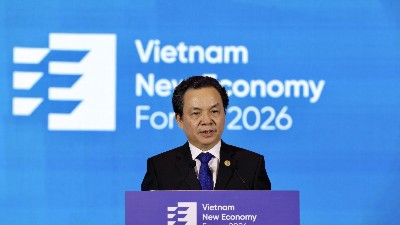
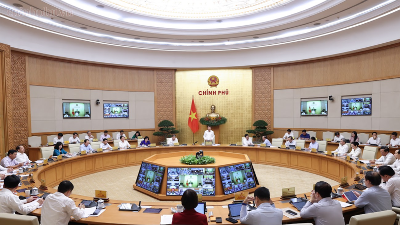
VNEF 2026 was structured around three thematic keynote reports and three panel sessions, aimed at examining how recent institutional and policy breakthroughs have translated into resources and growth momentum for local administrations and businesses.
According to the World Bank's annual country classification released on July 1, Vietnam's GNI per capita increased from $4,490 in 2024 to $4,970 in 2025, lifting the country from the lower-middle-income to the upper-middle-income category.
The trade deal is expected to open a new chapter in bilateral cooperation, creating a solid framework for promoting trade and investment, and expanding collaboration across sectors.
The newly-released Decree No. 258/2026/ND-CP also covers scientists and experts specialized in international integration, as well as educational institutions dedicated to the field.
For the first six months of 2026, the IIP is estimated to have increased by 10.8% over the same period last year, significantly outpacing the 8.7% growth recorded in the first half of 2025 and marking the highest growth rate since 2019.
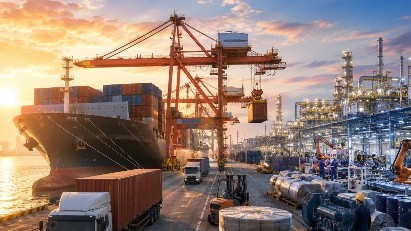
The United States maintained its position as Vietnam’s largest export market with a turnover of $86.5 billion, while China remained the largest source of imports, with a total value of $115.2 billion.
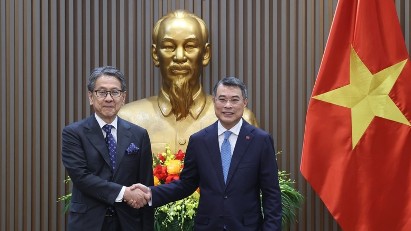
Prime Minister Le Minh Hung also called for JBIC’s support in enhancing Vietnam’s economic autonomy and resilience by promoting Japanese investment in strategic sectors such as semiconductors, artificial intelligence, batteries, new materials, critical minerals, and high-tech industries.