


Gia Lai province is poised for a tourism renaissance as it prepares to host the National Tourism Year for the first time under the theme “Gia Lai - Mountains embrace the Sea”.
The province aims to attract approximately 15 million visitors in 2026, a 21 per cent increase from 2025, with projected tourism revenue reaching VND35 trillion ($1.3 billion). This ambitious plan sets the stage for a new era of local tourism development.
Central to Gia Lai's strategy is the creation of a new growth structure based on the sea-highland tourism corridor, connecting the tourist spaces between Quy Nhon and Pleiku. This approach leverages natural resources, indigenous culture, and increasingly sophisticated transportation infrastructure.
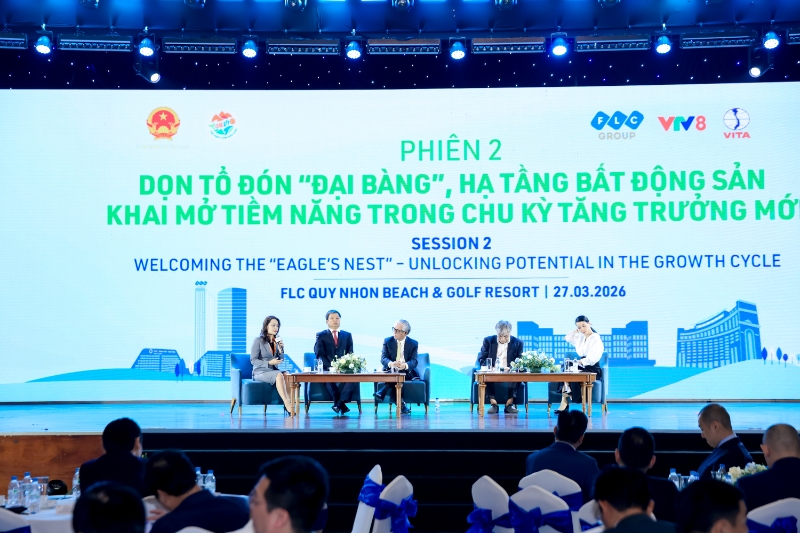
At seminar titled "Gia Lai 2026: Activating the Coastal - Highlands corridor” held on March 27, 2026 at FLC Quy Nhon, Mr. Nguyen Huu Que, Vice Chairman of the Gia Lai Provincial People's Committee, emphasized the importance of reorganizing regional connectivity, particularly through the operation of two airports as a unified system. Phu Cat Airport is designated as the international gateway, welcoming direct international visitors, while Pleiku Airport serves as the highland hub, focusing on distribution, accommodation, and unique tourism experiences.
The province is also exploring the potential of charter flights from Northeast Asia, targeting promising markets such as South Korea and Japan. Concurrently, efforts are underway to upgrade road infrastructure, ensuring seamless and efficient connectivity along the Sea – Highland corridor. This infrastructure development is not merely about connectivity but about opening doors to international growth. As travel times decrease and experiences become more seamless, the value of tourism is elevated to new heights.
The aviation sector plays a crucial role in this development, acting as the gateway and driving force for tourism growth. However, aviation alone cannot unlock the full potential of a destination.
To truly support destination development, the aviation industry must adopt a "pioneer" approach, as emphasized by Mr. Dao Xuan Hoach, Deputy Director of the Civil Aviation Authority of Vietnam. The synchronized development of airport infrastructure is essential to meet this demand. Gia Lai's investment in expanding Phu Cat Airport's runway is timely, ensuring it can quickly respond to the burgeoning tourism market.
Mr. Trinh Van Quyet, Chairman of FLC Group, highlighted the need for synergy between resort urban areas and the aviation industry for sustainable development.
Meanwhile, Mr. Jung Jin Woo, Chairman of RASSO Holdings, sees Gia Lai as a province endowed with both sea and forest, capable of becoming a destination with a comprehensive experience ecosystem. RASSO Holdings is collaborating with Bamboo Airways to prepare for international charter flights from Phu Cat Airport to South Korea in the third quarter of 2026, aiming to attract 93,500 visitors annually.
The growth momentum is further fueled by new tourism products. Mr. Pham Anh Tuan, Member of the Party Central Committee and Chairman of Gia Lai People's Committee, noted that while beach tourism has been actively promoted in the past, forest tourism will create significant differentiation in the future, offering greater value to the tourism industry. Gia Lai, with its combination of forest and sea, stands at the cusp of transformation, poised to deliver substantial and tangible benefits from tourism.
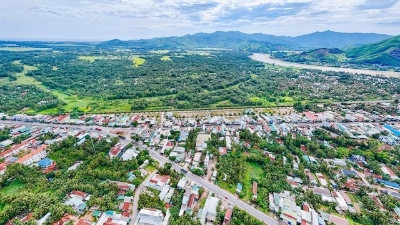
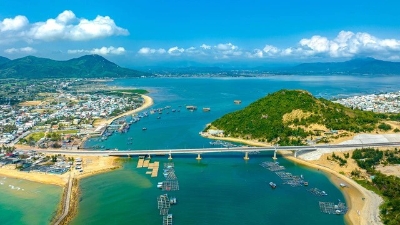
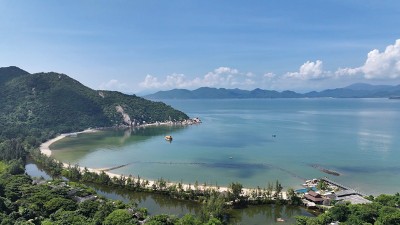
In the coming years, large-scale tourism and resort projects are set to be developed, including a 70 ha pop music festival area by a South Korean investor and a 500 ha resort project by FLC Group. Gia Lai is not positioned as a standalone destination but as a journey. This journey, dubbed "Sea – Moutains," allows visitors to experience the blue sea, white sand, and luxury resorts in Quy Nhon, followed by an exploration of the Pleiku highlands with its pine forests, lakes, gong culture, and unique indigenous spaces. Two destinations – two identities – one unified journey, creating a distinct appeal for regional and global tourism.
The province is also focusing on organizing its agricultural, cultural, and ecological value chain, recognizing it as a unique advantage. From coffee, pepper, and rubber to indigenous culture, festivals, and gong heritage; from natural landscapes to community life – all need to be standardized into tourism products, shaped according to international standards, and capable of global market promotion.
Reflecting on experiences in Quy Nhon, Mr. Quyet noted that if tourists only come for the beach, their stay will be brief. Therefore, Quy Nhon needs additional entertainment complexes, zoos, golf courses, and large-scale conference centers for major events, as well as flexible meeting rooms to cater to diverse customer segments.



 Google translate