


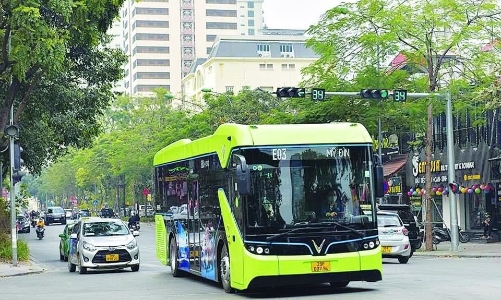
Hanoi is accelerating the transition to green-powered buses as part of its broader push for a low-emissions, sustainable urban transport system.
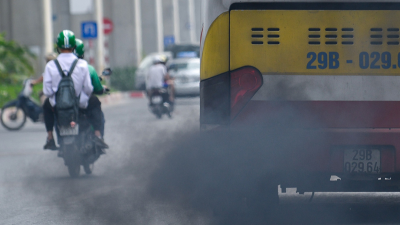
Under Plan No. 149 issued by the municipal People’s Committee, the city is stepping up efforts to replace fossil fuel-powered buses with electric and clean-energy alternatives. The initiative aims to modernize public transport services while reducing air pollution and improving urban living conditions.
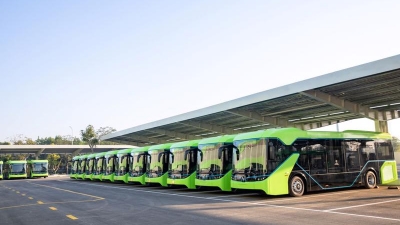
From April 18, Hanoi deployed an additional 53 electric buses on routes 16, 24 and 29 under a sustainable urban transport project linked to Metro Line 3. This brings the total number of green buses to 699, including 560 electric units (28.7%) and 139 compressed natural gas (CNG) buses (7.1%), accounting for 35.8% of the subsidized fleet.
By April 30, the city plans to add 122 more electric buses across eight routes, raising the total to 821 vehicles, or about 42.1% of the network. By the end of 2026, Hanoi expects to deploy 851 green buses—well above the initial target of 20–23%.
In parallel, authorities plan to introduce measures from July 1, 2026 to curb pollution, including restricting fossil fuel-powered passenger transport in low-emission zones, further reinforcing the shift toward cleaner mobility.


 Google translate