


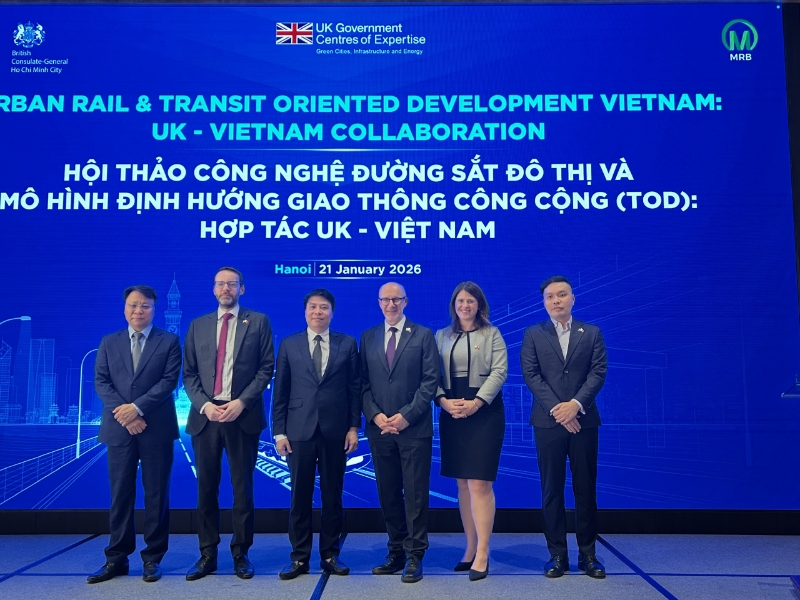
Within the framework of the visit, at a seminar titled “Urban Rail Technologies and TOD Models: UK–Vietnam Cooperation” held recently in Hanoi, Matt Western MP, the UK Government’s Trade Envoy to Vietnam, Thailand, Laos and Cambodia, and head of the delegation, said that Vietnam is at a critical moment in its infrastructure development journey.
According to Mr. Western, rapid economic growth and urbanisation present both opportunities and challenges – particularly the need for sustainable, efficient and integrated transport systems. Railways and TOD are not only about moving people; they are about shaping cities, reducing congestion, improving air quality, and creating vibrant communities.
He also noted that transport is a major contributor to global carbon emissions. Investing in modern rail systems and TOD strategies is one of the most effective ways to reduce reliance on private vehicles, cut emissions, and promote greener urban living.
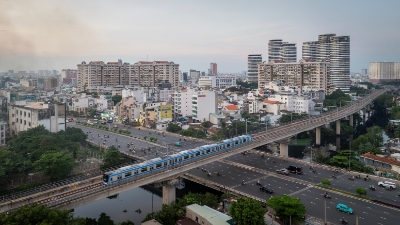
Vietnam - and Hanoi in particular - is at a transformative moment in its urban development journey. The ambitious vision of Hanoi to develop 10 urban rail lines is a bold step toward creating a modern, sustainable, and integrated transport system that will serve millions of people and shape the future of this great city.
"I am delighted to note that several of these lines are moving from vision to reality, with 2 lines already operational and some others kicked off with groundbreaking happened in 2025," he said. "These include key corridors that will connect Hanoi’s growing areas, reduce congestion, and provide cleaner, more efficient mobility options for residents and visitors alike."
He also affirmed that this scale of investment is not only about transport—it is about building sustainable cities, reducing carbon emissions, and improving quality of life. Rail and TOD strategies are central to achieving these goals, and they align perfectly with Vietnam’s commitment to green growth and our mutual Net Zero by 2050 ambition.
"We are therefore keen to share our experience in integrating low-carbon solutions into transport planning and urban development," he added. "British companies bring world-class expertise in rail engineering and supplies, financing, and TOD planning, and we are eager to collaborate with MRB Hanoi and Vietnamese partners to deliver projects that meet the highest standards of sustainability and innovation."
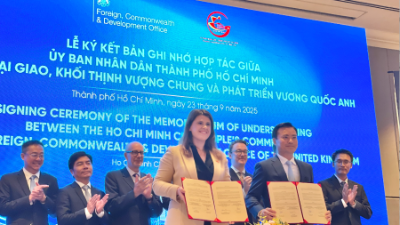
"The UK has been supporting Vietnam through the Green Cities, Infrastructure and Energy Programme (GCIEP), funded by the UK Foreign, Commonwealth & Development Office," he noted. "The programme reflects the shared commitment of the UK and Vietnam to building infrastructure to international standards while advancing climate and sustainability goals."
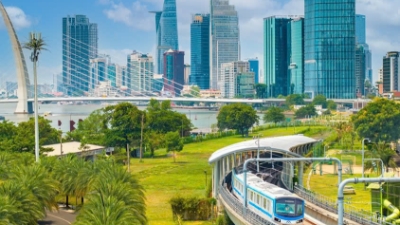
In fact, UK companies are already involving and supporting the development of urban rail in both Hanoi and Ho Chi Minh City through digital transformation, Building Information Modelling (BIM), and TOD. Many UK companies joined the UK Rail Mission to Vietnam this week. They are here today to share expertise, exchange ideas, learn from each other, and explore practical ways to further collaborate, he noted.
"On behalf of the UK Government, I want to commend MRB Hanoi for its leadership and ambition, and thank all participants for your commitment to shaping the future of urban mobility in Vietnam," Mr. Western affirmed.
At the same seminar, the Director of the Hanoi Urban Railway Management Board (MRB) Nguyen Cao Minh, expressed his appreciation for UK support through the GCIEP.
"The UK’s extensive experience in integrating low-carbon development solutions, managing complex projects, and particularly its standards in Building Information Modelling (BIM) and digital transformation, provides extremely valuable lessons for us," he said. "The year 2025 marked important milestones as Hanoi’s new urban rail lines began transitioning from vision to construction. During this transformative phase, we warmly welcome the participation of UK companies – global leaders in railway engineering, financial advisory services, and TOD planning.”
As Vietnam strives to become a high-income country by 2045, its two major economic hubs – Hanoi and Ho Chi Minh City – are prioritising improvements in sustainable infrastructure and urban connectivity. The development of national and urban railway networks in major cities is being accelerated to support sustainable urban growth. The application of TOD and BIM plays a critical role in integrated transport and urban planning, helping to build modern infrastructure, improve the quality of life, and enhance public transport accessibility in Vietnam.
The visit of Matt Western MP and the UK rail business delegation underscores the UK’s commitment to being a trusted partner in the development of railway, TOD and BIM projects in Vietnam, while further strengthening UK–Vietnam cooperation in this sector. This aligns with the UK–Vietnam Comprehensive Strategic Partnership signed in October 2025 and the UK–Vietnam Action Plan for 2024–2026.
 Google translate