


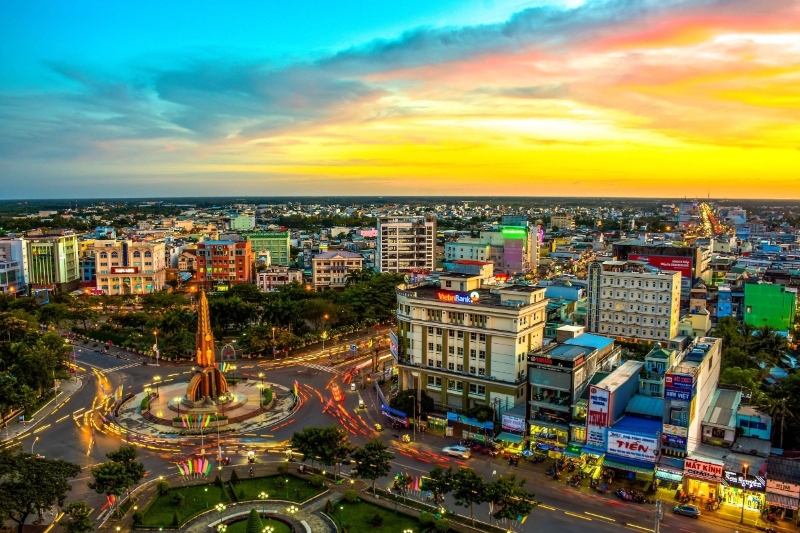
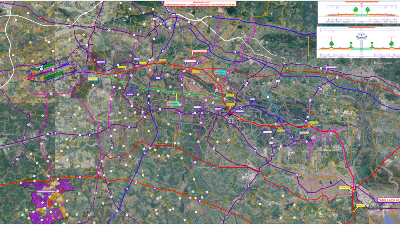
Authorities in southernmost Ca Mau Province plan to mobilise more than VND65.6 trillion (about $2.6 billion) to develop key transport infrastructure projects between 2026 and 2030 in a bid to improve connectivity and support economic growth in Vietnam’s southernmost region.
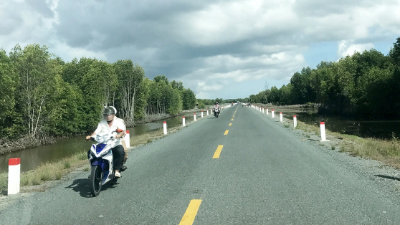
According to the provincial People’s Committee, the plan aims to gradually complete the local transport network and strengthen links with neighbouring localities. Many existing roads in the province are narrow, have low load capacity or are frequently flooded due to high tides in the Mekong Delta, creating difficulties for freight transport and increasing logistics costs.
During the 2026–2030 period, the province plans to prioritise 18 major transport projects that have already been approved or are undergoing investment procedures, with total capital demand estimated at around VND28.7 trillion. Funding will come from central and local budgets as well as official development assistance.
Among the largest projects is a coastal road running through Ca Mau with an estimated investment of more than VND8.48 trillion, financed by loans from the Export-Import Bank of Korea. The route will form part of the coastal transport corridor in the Mekong Delta region.
Another regional project includes a coastal road section passing through former Bac Lieu province, now merged into Ca Mau province, and linking to the Nam Song Hau route, with total investment of more than VND3.76 trillion funded by loans from the Asian Development Bank.
In addition, Ca Mau has proposed new infrastructure projects worth about VND36.9 trillion, including a 55-km road linking Ca Mau and Bac Lieu urban areas with estimated investment of VND25.5 trillion.






 Google translate