



Vietnam’s insurance market has long been seen as a high-growth, relatively stable pillar of the country’s financial system. As the 2026-2030 period gets underway, however, both domestic and global conditions have fundamentally changed. For example, climate change is driving more frequent and severe disasters, population aging is accelerating beyond forecasts, and the digital and green transformations are creating dual pressures, even as the economy pursues double-digit growth, major infrastructure expansion, and stronger social security. Together, these forces are reshaping expectations for the role of and development model for the insurance industry.
Non-life insurance challenge
Across the region, many countries have proactively adjusted their strategic thinking on insurance. In this context, Vietnam’s insurance industry faces an urgent need to reposition itself as a pillar of the national risk governance system, helping the economy respond effectively to major shocks and maintain a sustainable growth trajectory. This is also a common trend in insurance development strategies across Asia and an important reference for Vietnam in supplementing new components to refine its insurance market development strategy through 2030.
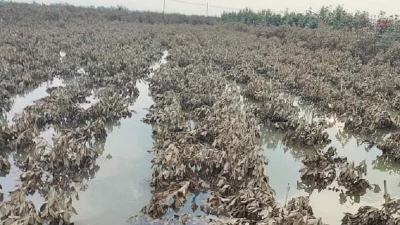
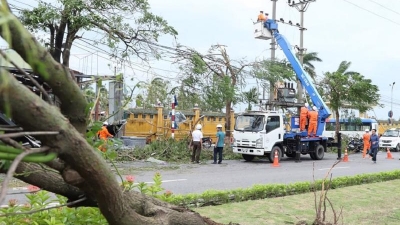
One major limitation of its insurance market today is that disaster risk products still operate mainly under traditional mechanisms, based on post-loss damage assessment before compensation. This approach prolongs payouts, while the hardships faced by policyholders, especially in large-scale disasters, are not addressed promptly. Decision No. 07/QD-TTg touches on the development of agricultural and disaster insurance products, but breakthrough mechanisms in product models remain lacking.
Meanwhile, several countries in the region have been pursuing different approaches. In its newly-announced strategy, Thailand’s Office of Insurance Commission (OIC) aims to establish a legal framework prioritizing parametric insurance, which pays out based on trigger indices, such as rainfall, wind speed, or seismic intensity, recorded by independent meteorological agencies exceeding predefined thresholds, rather than on-site damage assessment. This approach enables rapid, transparent payouts and is particularly suitable for large-scale disaster scenarios.
From this perspective, incorporating a pilot sandbox mechanism for parametric insurance into Vietnam’s insurance development strategy has become necessary. The model is especially suitable for sectors vulnerable to natural disasters and climate change, such as agriculture and tourism, while enhancing the role of insurance in risk governance and strengthening economic resilience.
In addition, Vietnam has a long coastline with key coastal economic zones, such as Quang Ninh, Hai Phong, and Da Nang, where large volumes of high-value assets, including industrial parks, seaports, and tourism infrastructure, are concentrated. As disaster risks grow in frequency and severity, studying the issuance of catastrophe bonds (CAT bonds) should be considered an important financial contingency tool.
These bonds allow insurers, reinsurers, or governments to transfer large disaster risks (storms, earthquakes, floods, pandemics, etc.) to capital markets. Investors receive higher interest rates but may lose part or all of their principal if a predefined catastrophic event occurs. This mechanism disperses risk, reduces pressure on the State budget and traditional insurance systems, and strengthens financial resilience against major shocks.
For Vietnam, as its economy and coastal asset value continue to expand, relying primarily on budget support and insurer compensation is not sustainable. The gradual adoption of CAT bonds would help complete its national risk-prevention financial architecture in line with its insurance market development strategy through 2030.
Building an elderly care ecosystem
Vietnam’s population aging is progressing faster than projected, posing growing challenges to social security and finance systems. Decision No. 07 orients R&D of insurance products for the elderly, as well as integrated healthcare and wellness products. In practice, however, a deeper structural shift is required: moving from a model primarily focused on “selling financial products” to one providing “comprehensive care solutions,” linking insurance with healthcare services, long-term care, and lifelong health management.
International experience - especially from Japan, which is a “super-aging” society - offers important references. Several major insurers in the country not only provide insurance products but also invest directly in elderly care ecosystems.
Thailand’s fifth Insurance Development Plan (2026-2030), meanwhile, focuses on responding to a super-aging society by expanding health insurance and implementing financial education programs for the elderly, thereby strengthening insurance’s role in social security and long-term financial stability.
Consideration should be given to Vietnam’s insurance development strategy expanding policy space to allow insurers deeper participation in healthcare and wellness, including direct investment in hospital infrastructure, nursing homes, and high-quality care facilities. This approach would not only reduce pressure on the public healthcare system but also build an integrated service ecosystem in which citizens are protected and cared for continuously from working age to old age.
At the same time, more flexible coordination mechanisms between social insurance and commercial insurance should be studied to form a “second layer of protection” complementing the existing social security system, enhancing financial safety and quality of life in retirement.
Insurance as a green investor
Vietnam’s insurance market development strategy through 2030 emphasizes strengthening insurers’ financial capacity and risk management, but their role as long-term institutional investors, especially in green infrastructure and energy transition, remains unclear.
Most Vietnamese insurers’ investment portfolios are concentrated in government bonds and bank deposits. Only a few large life insurers, such as Prudential, AIA, and Manulife, have begun purchasing green bonds issued by commercial banks.
This safety-oriented structure indicates that long-term capital from the insurance sector remains underutilized, while Vietnam faces enormous funding needs for green transformation commitments and meeting net-zero targets.
International experience shows that with an appropriate policy framework, insurers can become major capital providers for green transformation. In South Korea, the government’s “Green New Deal,” launched in July 2020, strongly promotes the role of insurers and financial groups in financing green infrastructure. In Malaysia, the Value-based Intermediation (VBI) program has guided the financial sector, including the sharia-based Takaful insurance system, to prioritize investments with positive environmental and social impacts, gradually integrating sustainable development goals into insurers’ investment activities.
Vietnam should therefore incorporate a clear “green investment” orientation into its insurance development strategy, with a focus on building legal and technical frameworks enabling insurers to invest effectively in green bonds and even directly in renewable energy and sustainable infrastructure projects.
Key measures include developing blended finance models with State seed capital, establishing legal frameworks for bank-insurance co-financing, encouraging credit guarantee institutions to support energy project bonds, and reducing risk weights for transparently-labeled green investments. This would channel long-term premium funds, especially from life insurance, into green and sustainable sectors rather than primarily into government bonds and bank deposits, as at present.
To sustain double-digit growth in the years ahead, digital transformation in the insurance sector has become unavoidable, but it will need to go deeper, anchored in data integration that supports the digital economy’s core infrastructure. Experience in Singapore and South Korea points to a shift towards “Open Insurance,” where data can be shared, with customer consent, between insurers, banks, and fintech platforms through common API standards. The model enables highly-personalized, real-time products, expanding coverage while improving pricing accuracy.
Vietnam could consider incorporating the creation of a National Risk Pricing Database into its insurance market development strategy. Standardized, anonymized data on healthcare, traffic accidents, and natural disasters would give insurers a stronger foundation to design products that are more precise, affordable, and accessible to a broader share of the population.
In short, the insurance market development strategy through 2030 under Decision No. 07 remains a key planning framework, reflecting the government’s vision of a safe, transparent, and efficient market. Yet amid rapidly-shifting socio-economic conditions and global environmental pressures, the strategy will require continued updates, incorporating new structural thinking and policy tools.
Embedding pillars such as transformation finance and green investment, proactive disaster response, elderly care ecosystem development, and open data will deepen the strategy’s resilience and adaptability. If done effectively, Vietnam’s insurance sector could evolve beyond its traditional claims-paying function into a true economic “shock absorber,” supporting sustainable and prosperous growth in the new era.






 Google translate