


In the first eight months of 2026, the European Union (EU), China, and the Middle East-Africa region issued or consulted on 249 sanitary and phytosanitary (SPS) measures, 99 of which have already taken effect.
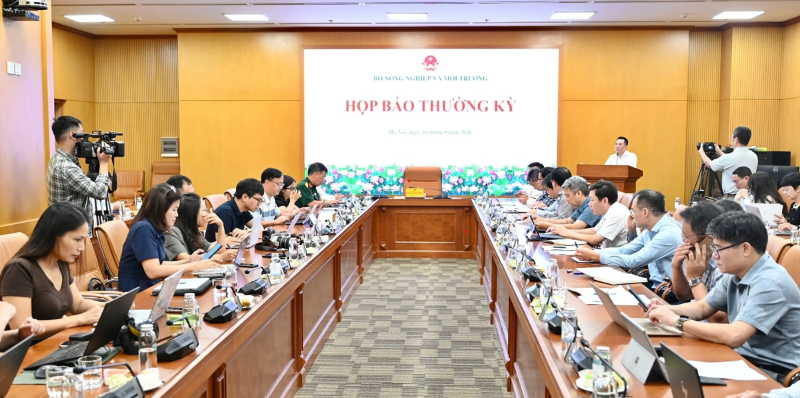
The figures were released by the Ministry of Agriculture and Environment at a recent regular press briefing updating the country’s production situation in the first eight months of 2026.
A raft of new requirements on pesticide residue limits, traceability, labeling and plant quarantine is adding pressure on Vietnamese agricultural exports, even as shipments continue to grow.
“The number of these notifications accounts for about one-third of all SPS notifications issued by WTO members and could have a significant impact on Vietnam’s exports of agricultural, forestry and fishery products,” said Ngo Xuan Nam, Deputy Director of the Vietnam SPS Office.
The EU continued to issue the largest number of SPS notifications, with 88, including 61 measures that have taken effect. Notably, the bloc is reviewing and tightening maximum residue limits (MRLs) for a number of pesticides in imported agricultural products.
The EU is currently considering amendments concerning eight active substances. MRLs for profenofos and fenpropathrin, in particular, are expected to be significantly lower than Vietnam’s current limits for products such as mangoes, tomatoes, tea, citrus fruits, strawberries and chili peppers.
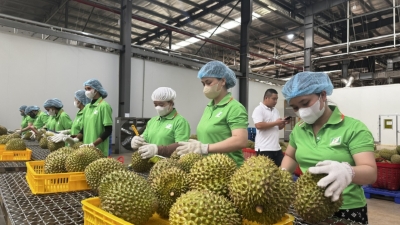
The EU is also maintaining enhanced controls on several Vietnamese agricultural products. Durian is subject to a 20% inspection rate, dragon fruit 30%, while okra and certain types of chili peppers face inspection rates of up to 50% upon import.
The bloc has also introduced new plant quarantine requirements, notably tighter controls on citrus fruit borers.
In China, the number of SPS notifications stood at 34, lower than during the same period last year. However, several new regulations have a direct impact on Vietnamese exporters.
“From June 1, 2026, China’s General Administration of Customs began implementing Decree 280 on the registration of overseas food manufacturers under a risk-based management approach. The regulation applies to 17 groups of imported food products and expands the scope of management to overseas storage facilities,” Mr. Nam said.
China has also strengthened traceability requirements, requiring importers to accurately declare the registration numbers of overseas manufacturers during customs clearance. At the same time, China is developing new standards for controlling contaminants in food and revising labeling regulations for prepackaged food products.
Meanwhile, the Middle East-Africa region recorded 127 SPS notifications, the highest among the three markets. A number of countries in the region are finalizing new standards for rice, fresh bananas, spices, dried herbs and processed foods.
Notably, Jordan has proposed amendments to its standards for imported rice, requiring labels in Arabic, compliance with Halal standards, and adherence to strict limits on microorganisms, mycotoxins, contaminants and pesticide residues.
As overseas markets continue to tighten SPS barriers, the Vietnam SPS Office has recommended that regulators strengthen early-warning mechanisms, regularly update exporters on new requirements, and step up monitoring of pesticide residues.





 Google translate