


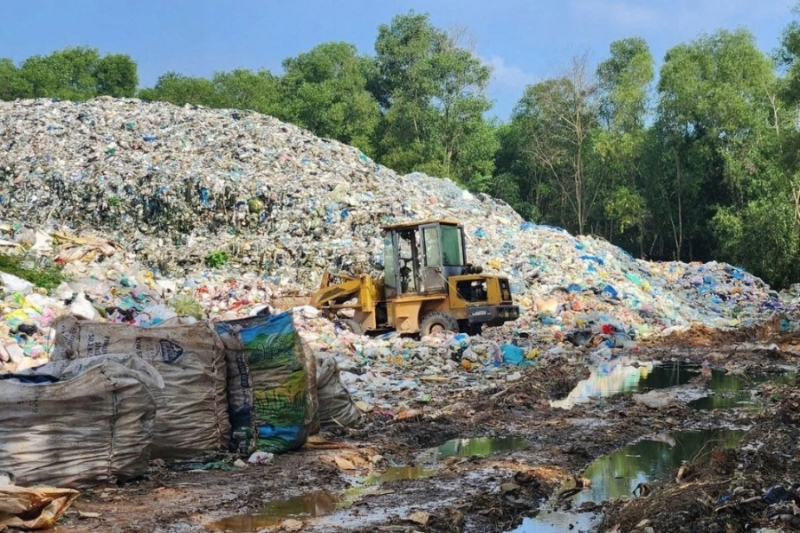
Along with improving environmental sanitation and investing in solid waste treatment facilities, Hanoi will focus on mitigating air pollution, controlling emission sources, transitioning to green transportation, and protecting air quality.
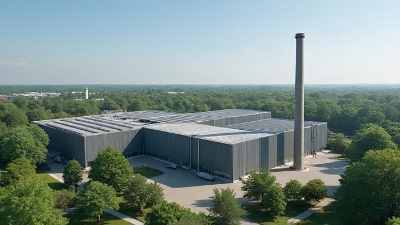
To handle household solid waste, a plan recently approved by Vice Chairman of the City People's Committee, Mr. Nguyen Manh Quyen, outlines an additional treatment capacity of over 5,000 tons per day through the construction of three waste-to-energy plants (treating both daily generated waste and excavated buried waste). Specifically, the capacity of the Soc Son Waste-to-Energy Plant will be expanded by approximately 2,000 tons per day, bringing its total capacity to 7,000 tons per day, with construction slated for completion in 2027.
Additionally, the incineration capacity of the Solid Waste Treatment and Renewable Material Production Plant in the Xuan Son treatment area (Thanh Cong Plant) will be upgraded from 250 tons to 1,000 tons per day, also finishing in 2027. Furthermore, a PPP (Public-Private Partnership) project for environmental remediation and waste-to-energy at the Nam Son complex, with a capacity of 2,250 tons per day, is expected to be completed by 2029.
The city is also calling for investment in two planned waste treatment plants: the Chau Can Plant in the former district of Phu Xuyen (with a capacity of 1,000 tons per day by 2050) and the Nui Thoong Plant in the former district of Chuong My (with a planned capacity adjustment to 2,000 tons per day). Regarding construction waste, the city is accelerating procedures to open three new treatment sites to supplement the four existing ones.
Furthermore, the plan identifies the need to fast-track the Sludge Recycling and Treatment Project in Chuyen My commune. The 9,5 ha facility will utilize advanced technology for waste-to-energy treatment with a capacity of 3,000 tons per day.
The city will increase the use of monitoring systems and technological solutions, including satellites, remote sensing, traffic cameras, drones, and mobile applications like iHanoi and social media. These tools will be used to strictly monitor and penalize illegal waste burning and dumping.
Finally, authorities will intensify the detection and penalization of vehicles transporting construction waste or materials that are not properly covered or cleaned.



 Google translate