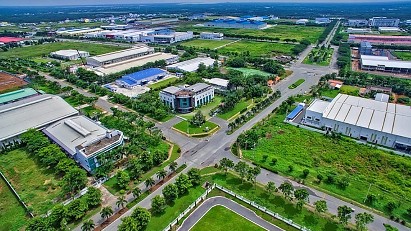
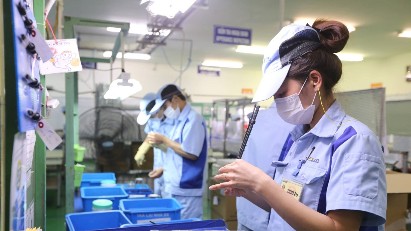
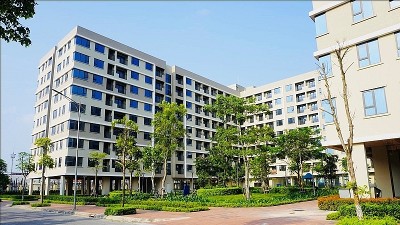
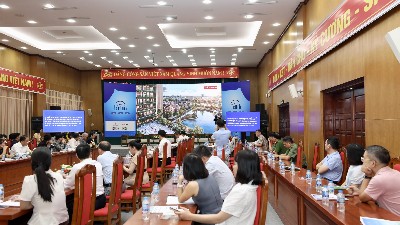
The seminar will focus on five core topics: current residential stock and administrative management of foreign housing in Bac Ninh; residence administration oversight regarding foreign nationals; housing requirements of foreign specialists and workers across industrial parks; among others.
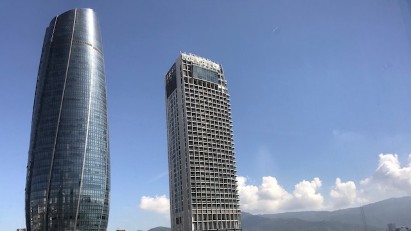
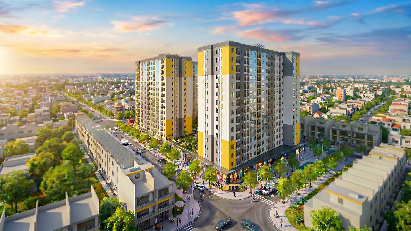
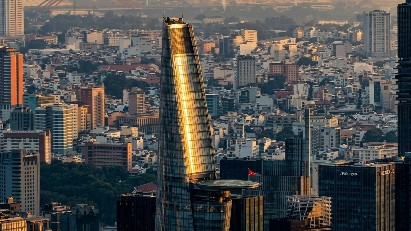
Ho Chi Minh City has added ten residential developments to its official list of projects permitted for sale to foreign organizations and individuals, aligning with citywide efforts to attract international investment and accommodate a growing workforce of foreign experts and engineers.