


Vietnam’s energy sector has moved beyond a phase of rapid expansion and is entering a period of deep, quality-driven growth. Rather than racing to add capacity, the market is now focused on operational efficiency and sustainability, marking a strategic turning point that will redefine what is considered the “lifeblood” of the economy.
According to the Ministry of Industry and Trade (MoIT), total installed power capacity as of the end of 2025 stood at approximately 87,600 MW. Of this, renewable energy sources (wind, solar, and biomass, etc.) accounted for some 24,453 MW, or 27.9 per cent. These figures indicate that renewable power is steadily establishing itself as a key pillar of national energy security and Vietnam’s commitment to achieving net-zero emissions by 2050.
Clean energy surge
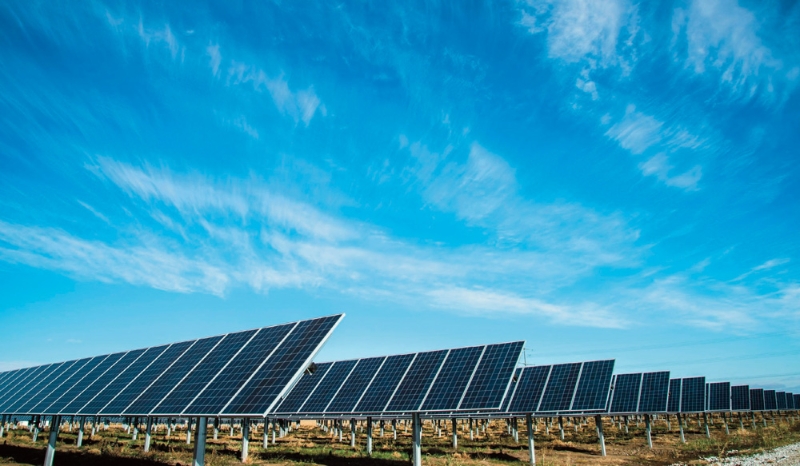
Within the overall power mix, solar energy (both utility-scale and rooftop systems) remains the largest renewable source, with total capacity reaching approximately 17,200 MW as of the end of 2025. However, the most notable shift compared to the pre-2021 period is the strong transition from large-scale solar farms to self-consumption rooftop solar systems.
This shift stems from incentive policies introduced in late 2024 and early 2025, notably Decree No. 135/2024/ND-CP dated October 22, 2024, on rooftop solar for self-generation and self-consumption, and Decree No. 58/2025/ND-CP dated March 3, 2025, detailing provisions of the Law on Electricity on renewable and new energy development. While Decree No. 58 replaced Decree No. 135, it largely retains previous provisions while simplifying administrative procedures and improving accessibility for businesses and households.
Data from the MoIT reveals rapid growth in rooftop solar projects at industrial parks across northern, central, and southern Vietnam during 2024-2025. Total installed rooftop solar capacity at industrial parks has exceeded 3,200 MWp, with some 25 per cent of systems integrated with battery energy storage systems (BESS). Technical potential is estimated at over 40,000 MWp, with around 20,000 MWp likely achievable by 2030.
Notably, BESS integration is becoming a standard requirement in new projects, helping ease grid pressure during peak periods and minimize curtailment. Large-scale storage facilities in Ninh Thuan (now part of Khanh Hoa province) and Binh Thuan (now part of Lam Dong province) have helped address the mismatch between real-time demand and solar generation, allowing solar power to remain effective even after sunset.
Wind power - onshore and nearshore - had reached an estimated 6,000 MW as of the end of 2025. However, offshore wind has yet to see any commercial projects enter into operation, largely due to challenges related to marine spatial planning and survey licensing frameworks. Most large-scale projects remain in early-stage preparation or preliminary surveys. According to the Vietnam Energy Association, offshore wind will be “key” not only to achieving energy self-sufficiency but also to positioning Vietnam as a clean power export hub in ASEAN over the next decade via cross-border transmission lines.
A major driver of renewable energy growth in recent years has been the stable implementation of the Direct Power Purchase Agreement (DPPA) mechanism. The Electricity Authority of Vietnam at the MoIT reported that, as of early 2026, more than 60 DPPA contracts had been signed between clean energy developers (such as T&T, BCG, and Trung Nam) and multinational manufacturers (including Samsung, Apple, Heineken, and Google).
The growing preference among large FDI enterprises, particularly in technology and electronics, to use 100 per cent clean energy not only helps them meet international green certification standards but also fosters a more competitive market, reduces pressure on public investment, and alleviates the financial burden on Vietnam Electricity (EVN). The DPPA mechanism has effectively become a magnet for foreign capital inflows into large-scale wind and solar projects.
Unlocking transmission
From a regulatory perspective, the MoIT has identified the socialization of power transmission as a key policy priority for 2026. The operation of the 500 kV transmission line (Circuit 3) from Quang Trach (in Quang Binh, now part of Quang Tri province) to Pho Noi (in Hung Yen province) since mid-2024 has significantly alleviated transmission bottlenecks for renewable projects in central Vietnam and the central highlands.
According to operational reports from the National System and Market Operator (NSMO) and EVN, renewable energy curtailment rates (wind and solar) have dropped sharply, from peaks of 10-20 per cent during 2020-2022 to below 2 per cent by late 2024, thanks to improved transmission capacity.
This progress has strengthened investor confidence in the transparency and efficiency of Vietnam’s power system. Energy experts also agree that the shift from fixed feed-in tariffs to competitive bidding has brought renewable energy prices closer to conventional power costs, paving the way for a more equitable and transparent energy economy.
However, challenges remain. Despite rising installed capacity, the system still requires clearer pricing mechanisms for large-scale BESS to ensure grid stability. There is also a pressing need to accelerate the development of a high-quality domestic workforce to gradually replace foreign experts in operating and maintaining complex offshore wind projects. In addition, the planned launch of a domestic carbon credit market in 2028 will require robust systems for measurement and certification of renewable energy projects.
At this stage, Vietnam’s renewable energy sector has moved beyond its volatile early phase and is entering a period of stable, in-depth development. The combination of flexible government policies, support from industry associations, and sustained FDI inflows is creating a promising green energy ecosystem. At this pace, Vietnam is well positioned to achieve the medium-term targets of the revised National Power Development Plan VIII in 2021-2030, with a vision to 2050 (PDP8), ahead of schedule, laying a solid foundation for a green industrial transformation.
Renewable energy is no longer a stopgap solution and has become a core driver of economic growth, enhancing national competitiveness and reinforcing Vietnam’s credibility in global climate action efforts. While challenges remain, strong government commitment and business alignment are making a clean, self-reliant energy future increasingly tangible.







 Google translate